
Why Vitamin C Serum Became a Skincare Obsession
Vitamin C serum didn’t quietly enter skincare routines—it kicked the door down. Dermatologists, estheticians, and beauty editors all agree it’s one of the most effective topical ingredients for brighter, healthier-looking skin. As an antioxidant, vitamin C helps neutralize environmental stressors that contribute to dullness and uneven tone. It also supports collagen production, which keeps skin looking firm and resilient over time. When used consistently, vitamin C serum can visibly improve glow, texture, and clarity, making it a true multitasker rather than just another trendy product.
What to Check Before Buying a Vitamin C Serum
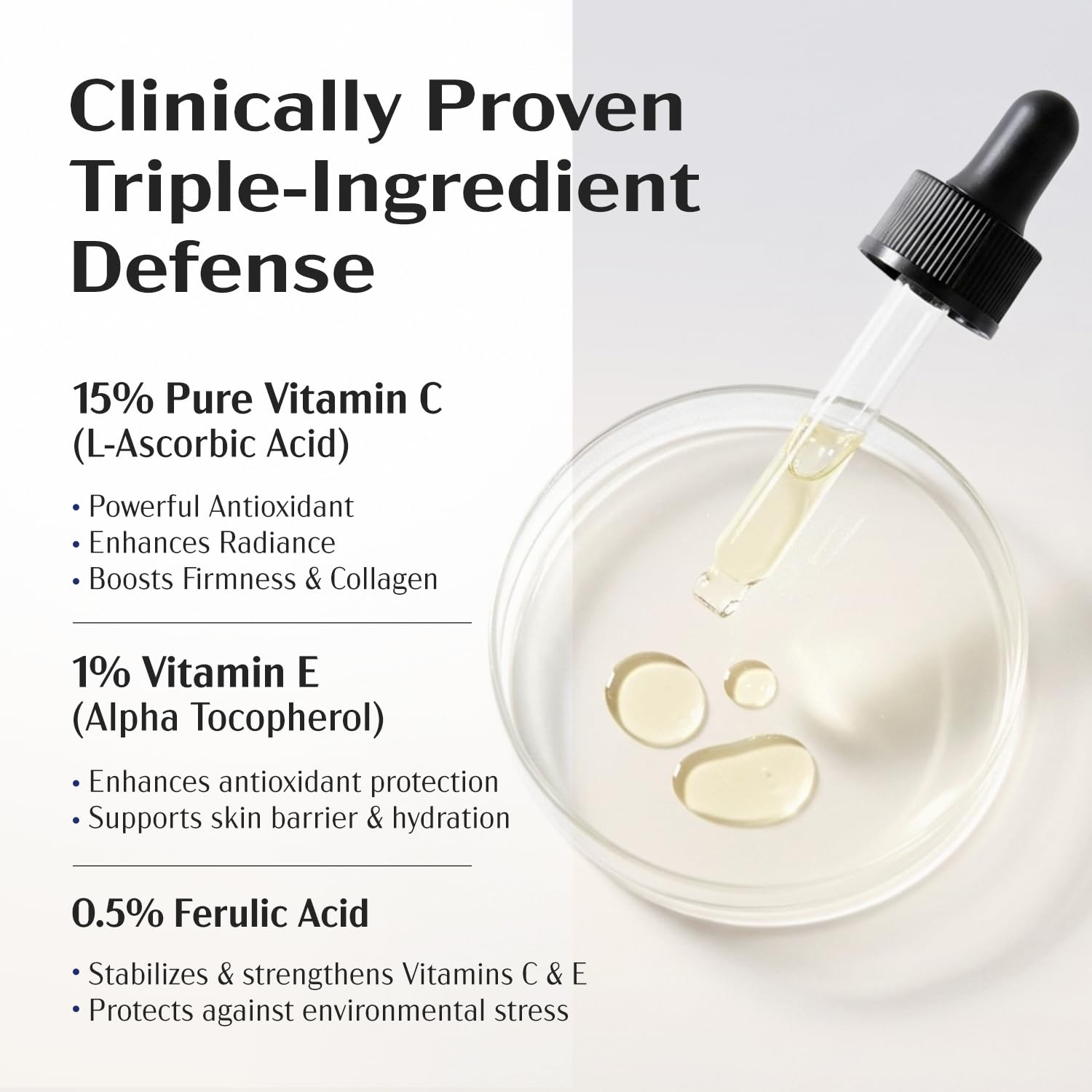
Not all vitamin C serums are created equal, and choosing the wrong one can lead to irritation or disappointing results. Look for L-ascorbic acid if you want the most researched and effective form. Concentration matters too—10% to 20% is typically the sweet spot. Packaging is critical; opaque or dark glass bottles help prevent oxidation. Check for supporting ingredients like vitamin E or ferulic acid, which improve stability. Finally, a low pH formula helps vitamin C absorb properly, which is essential for visible results.
Understanding Vitamin C and How It Brightens Skin
Vitamin C works by interrupting excess pigment production while boosting collagen synthesis in the skin. Over time, this leads to a more even complexion and improved firmness. L-ascorbic acid is the gold standard, but it can be unstable and irritating for some people. Gentler derivatives like magnesium ascorbyl phosphate offer a slower, more gradual brightening effect. Regardless of the form, vitamin C helps skin appear more energized and radiant by supporting natural repair processes that decline with age and environmental exposure.
Should You Choose a 10% or 20% Vitamin C Serum
The best concentration depends on your skin’s tolerance and experience level. Beginners or those with sensitive skin often do better starting at 10%, which still provides benefits without overwhelming the skin barrier. More resilient skin types may prefer 15% to 20% for stronger brightening and collagen support. Higher percentages don’t always mean better results and can increase irritation if your skin isn’t ready. The key is consistency—using a lower concentration regularly often outperforms sporadic use of a stronger formula.
Common Vitamin C Serum Side Effects to Know
Vitamin C serums can cause mild tingling, redness, or dryness, especially during the first few weeks of use. These reactions usually indicate your skin is adjusting rather than reacting negatively. Strong formulas or low pH products may feel more intense initially. Patch testing is essential before full-face application. If irritation persists, reduce frequency or switch to a gentler derivative. Vitamin C should feel energizing, not painful. When used correctly, side effects are typically temporary and manageable.
How to Use Vitamin C Serum the Right Way
Apply vitamin C serum to clean, dry skin for best absorption. Use a pea-sized amount and gently press it into the face and neck, avoiding the eye area. Allow it to absorb fully before applying moisturizer. If using during the day, sunscreen is non-negotiable—vitamin C enhances sun protection but doesn’t replace SPF. At night, vitamin C pairs well with hydrating ingredients and barrier-supporting moisturizers. Consistency matters more than layering multiple actives at once.
Is Vitamin C Better in the Morning or at Night
Vitamin C can be effective both morning and night, depending on your routine. Morning use helps defend skin against pollution and UV-related stress throughout the day. Nighttime application allows the ingredient to work uninterrupted alongside the skin’s natural repair cycle. Some people prefer morning use for the antioxidant benefits, while others choose night to minimize sensitivity. The best timing is the one you’ll stick to long term. Regular use is what delivers visible brightening.
How Long It Takes to See Results
Vitamin C is not an overnight miracle, but it does deliver steady improvements with patience. Many people notice increased glow within two to four weeks. More significant changes in pigmentation and texture often appear after six to twelve weeks of consistent use. Collagen-related benefits take longer but contribute to long-term skin resilience. Using vitamin C regularly, storing it properly, and pairing it with sunscreen maximizes results and prevents oxidation before you even reach the halfway point of the bottle.
Making Vitamin C Work for Your Skin Long Term
The secret to success with vitamin C serum is choosing the right formula and committing to it. Store it away from heat and light, close the cap tightly, and replace it if the color darkens significantly. Introduce it slowly, listen to your skin, and avoid overloading your routine with competing actives. When used thoughtfully, vitamin C becomes a cornerstone of brighter, healthier-looking skin rather than a confusing or irritating step you eventually abandon.
Incorporating vitamin C serum into your skincare routine doesn’t have to be complicated. With the right concentration, proper application, and realistic expectations, it can become one of the most effective tools for achieving radiant, balanced skin that actually looks healthier—not just temporarily brighter.
This post is for informational purposes only and isn’t a substitute for professional medical guidance. As an Amazon Associate, I earn from qualifying purchases – at no cost to you!
Leave a Reply