
Warts are one of those skin conditions almost everyone encounters at some point, yet they remain oddly misunderstood. One day your skin is fine, the next there’s a rough little bump that wasn’t invited and doesn’t seem interested in leaving. While warts are common and usually harmless, confusion around where they come from, how contagious they are, and what actually works to treat them keeps many people anxious or embarrassed. Understanding the science behind warts makes them far less intimidating—and much easier to manage.
Fact or Fiction: Frogs Cause Warts
This is pure fiction. Frogs, toads, and other amphibians do not cause warts, despite decades of playground lore. Warts are caused by the human papillomavirus (HPV), not animals or environmental surfaces alone. The myth likely comes from the bumpy texture of frog skin, which visually resembles certain wart types. However, touching frogs cannot transmit HPV, and avoiding amphibians will do absolutely nothing to prevent warts from forming. HPV is a human-specific virus that spreads through skin-to-skin contact or contaminated surfaces—not wildlife encounters.
What Warts Actually Are
Warts are benign skin growths caused when HPV infects the outer layer of skin through tiny cuts, abrasions, or compromised skin barriers. Once inside, the virus hijacks the skin’s normal cell growth process, causing cells to multiply rapidly and form a raised, thickened lesion. There are more than 100 strains of HPV, and different strains are responsible for different types of warts. This is why warts can look dramatically different depending on where they appear on the body and which strain is involved.
How Common Warts Really Are
Warts are extremely common, especially among children, teens, and young adults. Estimates suggest that up to 20 percent of children will have warts at any given time, while about 7 to 10 percent of the general population experiences them at some point in life. Adults encounter them less frequently but are not immune. Factors like frequent exposure to communal spaces, minor skin injuries, humidity, and immune system strength all play a role in determining who develops warts and when.
Are Warts Contagious
Yes—warts are contagious, though not everyone exposed will develop them. HPV spreads through direct skin contact or indirectly through surfaces such as locker room floors, communal showers, pool decks, towels, razors, and nail tools. The virus can also spread on your own body through scratching, shaving, or picking at a wart. The incubation period can last weeks or even months, which makes pinpointing the source difficult. A healthy immune system often suppresses the virus before visible warts appear, which is why exposure doesn’t always lead to infection.
Are Warts Dangerous
Most warts are medically harmless and do not lead to serious health problems. They are considered benign skin growths and often resolve on their own as the immune system clears the virus. However, they can cause discomfort, pain, or emotional distress depending on size and location. Plantar warts, in particular, can become painful when walking. Any wart that bleeds, rapidly changes color, grows aggressively, or becomes painful should be evaluated by a medical professional to rule out other skin conditions.
The Most Common Types of Warts
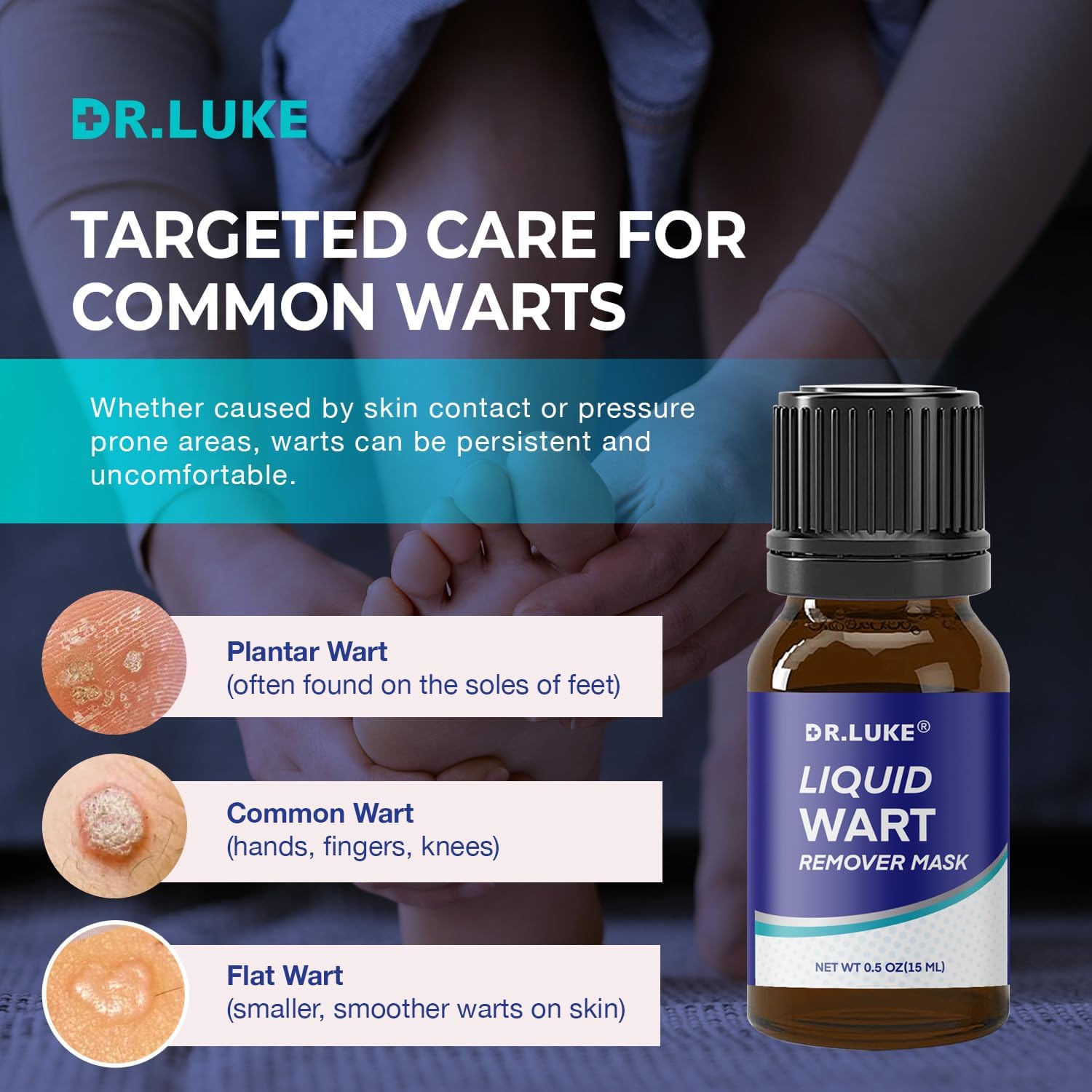
Different HPV strains produce distinct wart types. Common warts typically appear on hands and fingers and have a rough, grainy surface. Plantar warts develop on the soles of the feet and are often painful due to pressure. Flat warts are small, smooth, and appear in clusters, commonly on the face or legs. Filiform warts grow outward in thin projections, often near the mouth or eyes. Periungual warts form around fingernails or toenails and can interfere with nail growth, making them especially stubborn to treat.
Treatments That Actually Work
Many warts resolve without treatment, but persistent cases benefit from intervention. Over-the-counter salicylic acid gradually dissolves the wart with consistent use and works best when paired with soaking and gentle filing. Cryotherapy uses liquid nitrogen to freeze the wart, triggering blistering and eventual shedding. Resistant cases may require laser therapy, electrosurgery, or curettage. Immune-modulating creams stimulate the body to fight the virus directly. Home remedies like duct tape have mixed evidence but remain popular due to accessibility.
How to Prevent Warts From Spreading
Preventing warts focuses on minimizing HPV exposure and keeping skin healthy. Avoid touching warts on yourself or others, and never share personal grooming items. Wear sandals in communal showers and locker rooms. Keep skin clean, dry, and intact by promptly treating cuts or abrasions. Moist environments encourage viral persistence, so keeping feet dry and changing socks regularly matters. Boosting overall immune health through sleep, nutrition, and stress management also plays an important role in preventing recurrence.
Final Thoughts
Warts may be annoying, awkward, or downright frustrating—but they’re also one of the most manageable skin conditions once you understand them. They don’t define your hygiene, health, or habits, and they certainly don’t come from frogs. With patience, consistency, and the right treatment approach, most warts disappear without leaving lasting damage. If something looks unusual or doesn’t respond to treatment, a quick medical check can provide peace of mind and effective solutions.
This post is for informational purposes only and isn’t a substitute for professional medical guidance. As an Amazon Associate, I earn from qualifying purchases – at no cost to you!
Leave a Reply