
Nose hair removal is one of those beauty topics few people openly discuss, yet almost everyone wonders about. For women especially, visible nose hairs can feel distracting, but removing them incorrectly can lead to irritation, infection, and long-term skin issues. The best approach balances aesthetics with anatomy, respecting the protective role nose hairs play while still keeping the area neat. Understanding how different removal methods interact with skin and mucous membranes is the key to choosing what truly works—and what to avoid.
Why Nose Hair Exists and Why Over-Removal Can Backfire
Nose hairs are not random or cosmetic by accident; they are part of a finely tuned biological defense system. These hairs trap dust, allergens, bacteria, and airborne particles before they enter the respiratory tract. The follicles sit within highly vascular, sensitive tissue rich in immune cells and nerve endings. Removing hair too deeply disrupts this barrier, increasing the risk of micro-wounds that allow bacteria to enter the bloodstream. This is why aggressive removal methods are linked to folliculitis, painful ingrown hairs, and in rare cases, severe infections in the “danger triangle” of the face. From a dermatological perspective, trimming—not total removal—is almost always safer for long-term skin and sinus health.
Trimming: The Dermatologist-Preferred Gold Standard
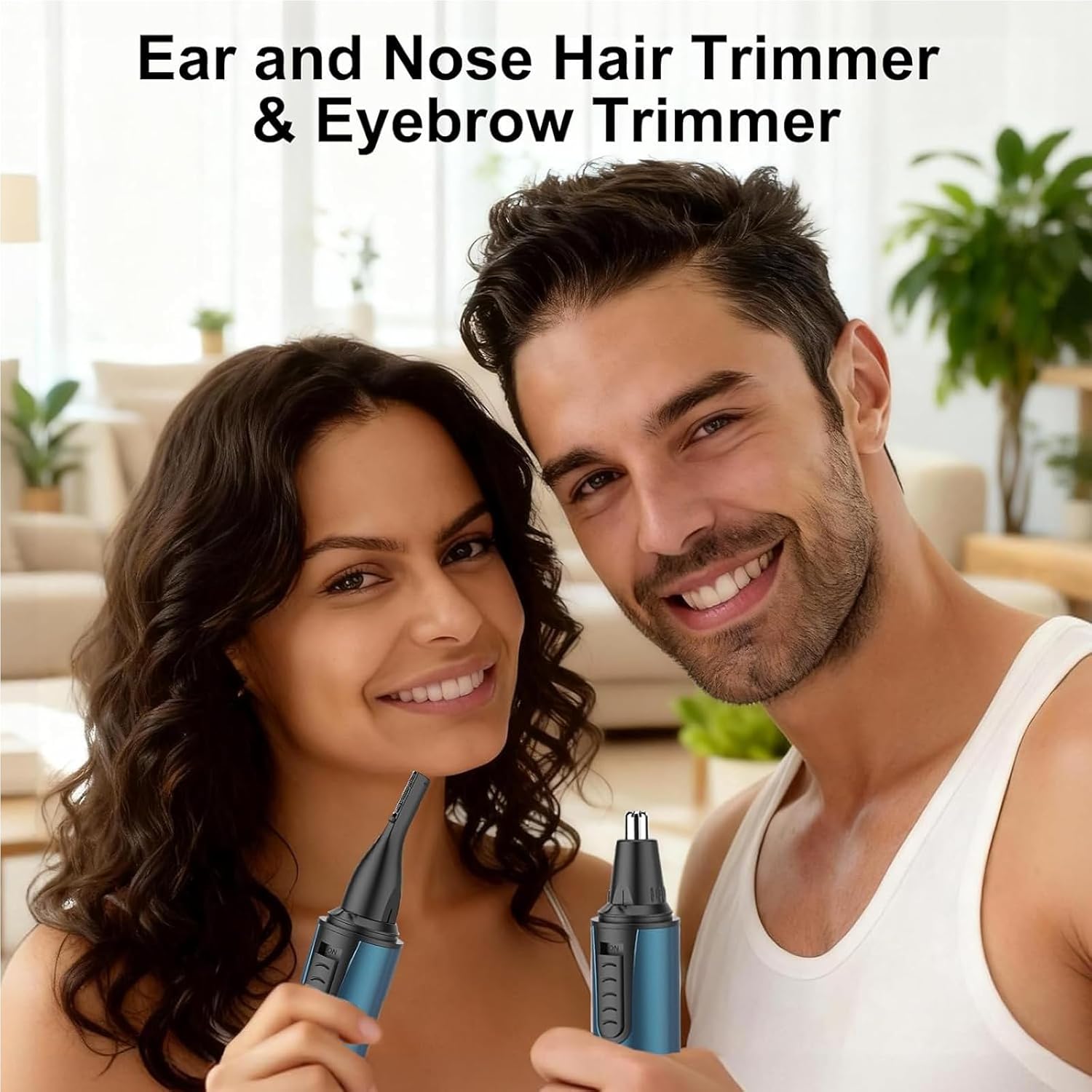
For women, trimming is widely regarded as the safest and most skin-friendly nose hair solution. Dedicated nose hair trimmers are designed to cut hair slightly above the skin surface without touching delicate nasal tissue. Most modern trimmers use rotary or oscillating blades enclosed in protective guards, reducing the risk of nicks, inflammation, or bacterial entry. Trimming preserves the functional role of the hair while eliminating visibility. From a skin-science standpoint, trimming avoids disrupting follicles or triggering inflammatory responses, making it ideal for sensitive skin, rosacea-prone individuals, and those prone to post-inflammatory hyperpigmentation.
Waxing and Tweezing: Why They’re Riskier Than They Look
Waxing and tweezing may seem effective because they remove hair from the root, but this is exactly what makes them risky. Pulling hair out of the follicle creates tiny open wounds inside the nostril, an environment that naturally contains bacteria. This can lead to vestibulitis, painful swelling, or infected pustules that are slow to heal. Repeated trauma also increases the risk of scar tissue formation and chronic irritation. From a skin health perspective, the nose is structurally different from areas like eyebrows or legs; its mucosal lining is thinner, more absorbent, and more reactive. For women focused on skin longevity and barrier health, waxing and tweezing are best avoided.
Hair Removal Creams and Lasers: Not Nose-Safe Options
Chemical depilatory creams dissolve hair proteins, but they are formulated for thicker skin and external use only. Inside the nose, these creams can cause chemical burns, inflammation, and long-lasting sensitivity. Similarly, laser hair removal is not recommended for internal nasal hair. Lasers target melanin in hair follicles and generate heat, which is unsafe near mucous membranes and blood vessels. While external laser treatments can safely address hair along the outside of the nostrils, using lasers internally poses significant medical risks. In both cases, the science is clear: the nasal cavity is not designed to tolerate chemical or thermal hair removal methods.
How Often to Remove and What Healthy Maintenance Looks Like
Nose hair grows at a slower rate than scalp or facial hair, meaning frequent maintenance is unnecessary. For most women, trimming every two to four weeks is sufficient to manage visibility without stressing the skin. Over-grooming can lead to chronic irritation and dryness, especially in colder or drier climates. Dermatologists recommend trimming only hairs that extend beyond the nostril opening and leaving deeper hairs intact. Using clean tools, disinfecting trimmer heads, and avoiding removal during active sinus infections are all evidence-based practices that protect both skin and respiratory health.
Skin-Friendly Tips to Prevent Irritation and Infection
Maintaining healthy nasal skin goes beyond hair removal itself. Gentle saline sprays can keep nasal passages hydrated, reducing dryness and inflammation after trimming. Avoid alcohol-based products near the nostrils, as they compromise the skin barrier. If redness or tenderness occurs, a light application of a fragrance-free barrier ointment around—but not inside—the nostrils can help support healing. From a dermatological standpoint, preserving moisture and avoiding trauma are the two most effective ways to prevent complications associated with grooming this area.
The Bottom Line on Nose Hair Removal for Women
The most effective nose hair removal strategy is also the most conservative: trim what’s visible and leave the rest alone. Trimmers offer precision without compromising skin integrity, immune defense, or long-term comfort. Methods that remove hair from the root may promise longer-lasting results, but they come with disproportionate risks in a sensitive anatomical zone. When approached with a skin-first mindset, nose hair grooming becomes less about elimination and more about balance—keeping things neat while protecting the structures designed to protect you.
This post is for informational purposes only and isn’t a substitute for professional medical guidance. As an Amazon Associate, I earn from qualifying purchases – at no cost to you!
Leave a Reply