
When time is limited, skincare only works if it is streamlined, intentional, and easy to repeat. The most effective routines focus on protecting the skin barrier, preventing damage, and addressing the biggest concerns with as few steps as possible.
Why Skincare Still Matters When You’re Too Busy to Think About It
Busy schedules do not make skin immune to damage, irritation, or aging, and in many cases they make those problems worse. Stress, lack of sleep, environmental exposure, and inconsistent habits all show up on the skin through dullness, breakouts, dehydration, and sensitivity. The goal of a no-time-wasted routine is not perfection but prevention, keeping the skin stable enough that it does not require constant fixing. When skincare is reduced to its most impactful steps, it becomes easier to maintain even during high-demand weeks, travel, or burnout phases, which is exactly when skin needs consistency the most.
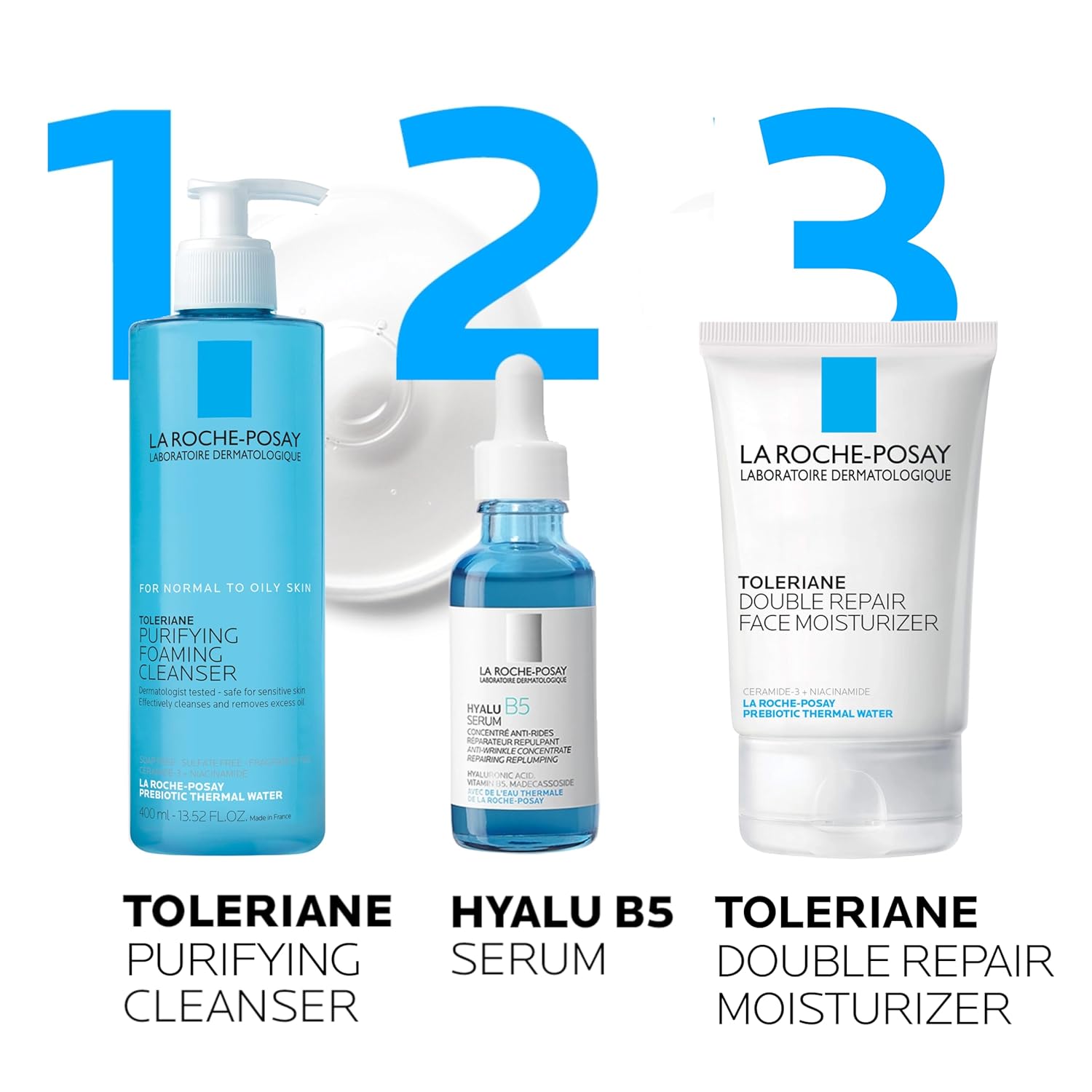
Step One Is Knowing Your Skin Type and Not Overthinking It
An efficient routine only works if it matches how the skin behaves naturally. Oily skin tends to overproduce sebum and benefits from gentle cleansing and lightweight hydration, while dry skin lacks moisture and needs barrier support to prevent tightness and flaking. Combination skin requires balance, usually focusing on controlling oil without stripping drier areas, and sensitive skin needs fewer steps and low-irritation formulas. Identifying the primary concern, whether it is breakouts, dehydration, uneven tone, or early aging, helps eliminate unnecessary products. When every step has a clear purpose, the routine becomes faster, simpler, and more effective.
The Five-Step Morning Routine That Covers Almost Everything
A basic morning routine only needs to cleanse, hydrate, and protect to be effective. Cleansing removes overnight oil and residue so skin starts fresh, hydration keeps the barrier flexible and comfortable, and sun protection prevents cumulative damage that leads to uneven texture and aging. A toner or serum is optional and should only be included if it addresses a specific issue like excess oil, dullness, or dehydration. Moisturizing remains important even for oily skin, because dehydration can increase oil production and sensitivity. Sunscreen is non-negotiable, as daily UV exposure is the single biggest contributor to premature skin aging and discoloration, even on cloudy or indoor-heavy days.
The Evening Routine That Actually Fits Real Life
Nighttime skincare should focus on removal, repair, and recovery, not perfection. Cleansing in the evening removes sunscreen, pollution, and buildup from the day, which helps prevent congestion and irritation. This does not need to be complicated, but it does need to be thorough. After cleansing, the skin is more receptive to repair-focused ingredients, whether that is a simple moisturizer or a targeted treatment for acne, texture, or early aging. Evening hydration supports the skin’s natural repair cycle, which occurs during sleep, making this step more impactful than it often gets credit for. A consistent, simple nighttime routine tends to outperform elaborate routines that are frequently skipped.
What To Do On Nights When Even the Basics Feel Impossible
There are times when energy is gone and motivation is nonexistent, and skincare still needs a backup plan. On these nights, the priority is removing the day from the skin and adding some form of moisture. Leaving makeup, sunscreen, or grime on overnight can disrupt the skin barrier and lead to breakouts or irritation the next day. A no-rinse cleanse followed by a basic moisturizer is enough to prevent damage and keep the skin stable. These fallback nights matter because skincare success depends more on avoiding repeated neglect than on doing everything perfectly.
Weekly and Monthly Maintenance Without Adding Daily Work
Long-term skin health benefits from occasional maintenance that does not need to happen daily. Gentle exfoliation once or twice a week helps remove buildup that dulls the skin and interferes with hydration, while masks can deliver targeted benefits like oil control or moisture without effort. Professional treatments, if used, should be viewed as supplements rather than replacements for daily care. Adjusting routines seasonally helps address shifts in humidity, temperature, and sun exposure without adding unnecessary steps. Consistency at this level prevents the need for aggressive correction later.
Lazy Skincare Fixes for Common Skin Problems
Acne-prone skin benefits most from cleanliness and restraint, not aggressive scrubbing or overuse of treatments, making simple cleansing and occasional targeted treatment more effective than complex routines. Dry skin responds well to layering hydration and reducing unnecessary stripping steps, especially during colder months or high-stress periods. Oily skin often improves when dehydration is addressed rather than attacked, using lightweight hydration to reduce rebound oil production. Dull skin usually needs better exfoliation pacing and antioxidant support rather than more products. Lazy skincare works when it supports skin function instead of fighting it.
How To Save Time Without Sacrificing Results
Time-saving skincare is about consolidation and placement. Multipurpose products reduce steps, while keeping essentials visible and accessible increases consistency. Skincare tools should only be used if they improve results without adding friction. Preparing nighttime products in advance removes barriers when energy is low. When the routine is designed to fit real life instead of ideal schedules, it becomes something that happens automatically rather than something that requires motivation.
When Chronic Exhaustion Is the Real Issue
Persistent exhaustion affects skin just as much as it affects mood and focus. Poor sleep, dehydration, nutritional gaps, and chronic stress all disrupt skin repair and barrier function. Supporting the body through consistent sleep, hydration, balanced nutrition, and regular movement indirectly supports the skin more than adding extra topical products. Skincare can only do so much when recovery systems are overwhelmed, which is why realistic routines paired with lifestyle support are the most sustainable approach.
The Bottom Line for Skincare With No Time to Waste
Effective skincare does not require long routines or perfect consistency, but it does require intention. When the focus is on protecting the barrier, preventing damage, and keeping habits simple, skin stays healthier even during the busiest seasons. A routine that actually happens will always outperform one that looks impressive but rarely gets used. In a no-time-to-waste life, skincare succeeds by being realistic, repeatable, and just enough.
This post is for informational purposes only and isn’t a substitute for professional medical guidance. As an Amazon Associate, I earn from qualifying purchases – at no cost to you!
Leave a Reply