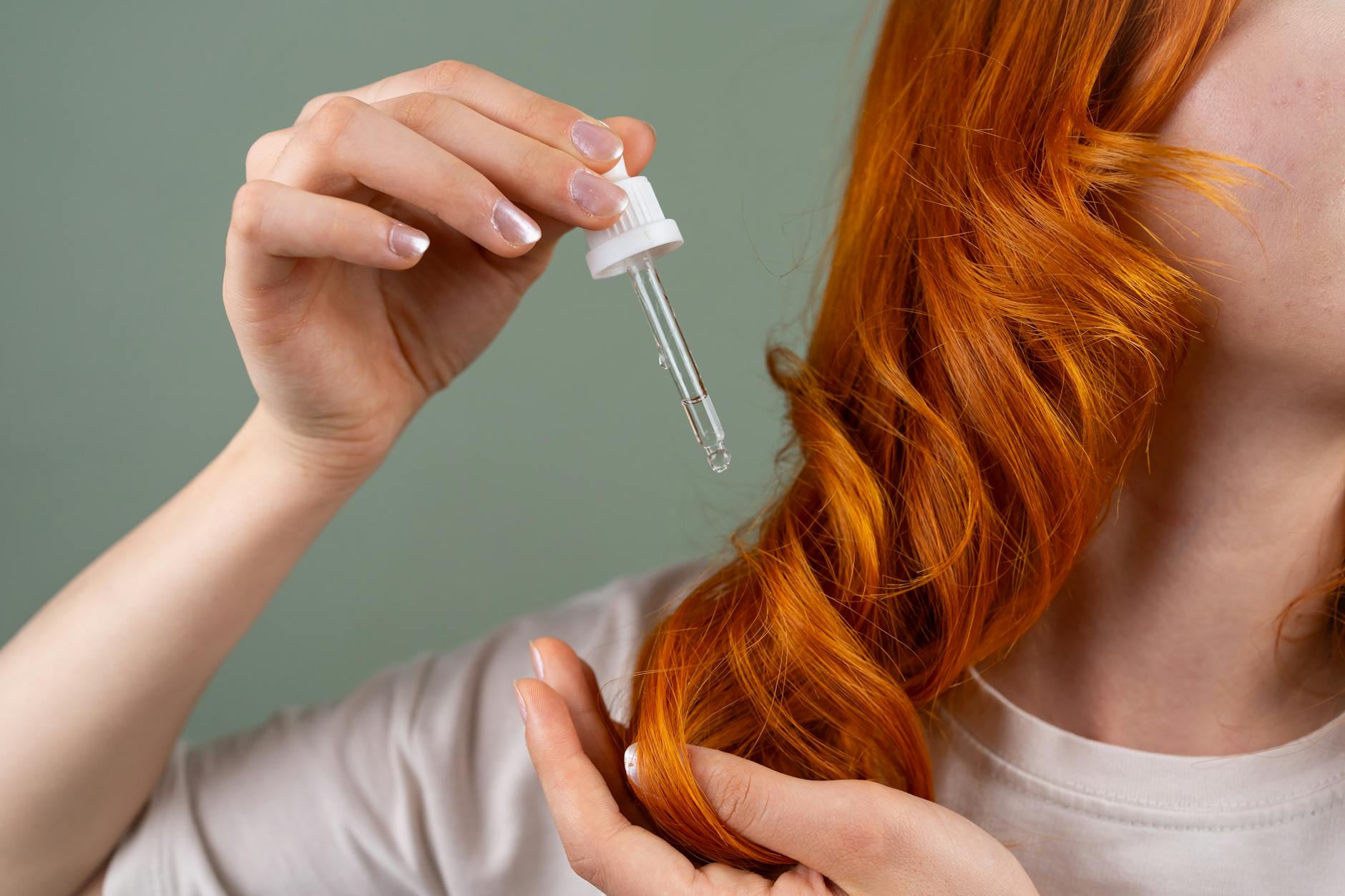
Argan oil treatments are widely praised for delivering shine, softness, and repair, but their effects depend heavily on hair type, formulation, and frequency of use. While argan oil can support moisture retention and cuticle protection, it can also weigh hair down or interfere with scalp balance when misused. Understanding both the benefits and the limitations explains why this ingredient works beautifully for some people and poorly for others.
Why Argan Oil Became a Staple in Modern Hair Care
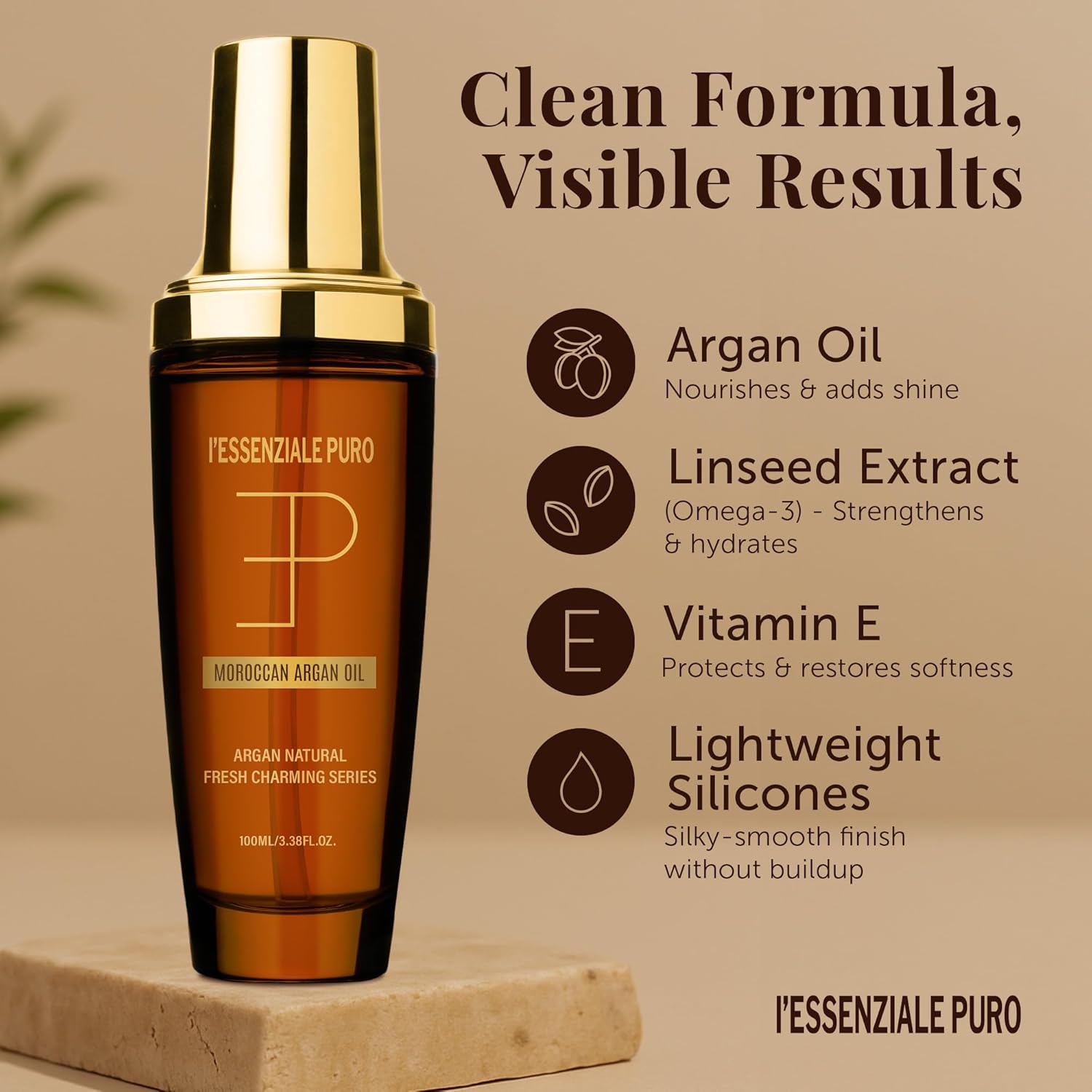
Argan oil originates from the kernels of the argan tree and is rich in fatty acids, vitamin E, and antioxidant compounds that protect against environmental stress. In hair care, its popularity comes from its ability to coat the hair shaft, reducing friction and minimizing moisture loss. This coating effect smooths the cuticle, which increases shine and improves manageability, especially in dry or chemically treated hair. Because it does not evaporate or degrade quickly, argan oil provides longer-lasting surface protection than lighter botanical oils, making it attractive in treatments marketed for repair and frizz control.
How Argan Oil Improves Hair Texture and Appearance
Argan oil primarily benefits hair by sealing the cuticle rather than penetrating deeply into the cortex. This cuticle-smoothing action reduces roughness, helps strands reflect light more evenly, and improves the feel of hair during styling. In damaged hair, where cuticles are lifted or chipped, this effect can temporarily restore softness and reduce breakage from brushing or heat exposure. The oil also improves elasticity by reducing water loss, which lowers the risk of snapping under tension. These cosmetic improvements often happen quickly, explaining why argan oil treatments feel effective after just one use.
The Role of Argan Oil in Heat and Environmental Protection
One of argan oil’s functional advantages is its ability to form a barrier against heat and oxidative stress. While it is not a complete heat protectant on its own, it can reduce heat-related moisture loss when used under blow-drying or moderate styling temperatures. Antioxidants within the oil help neutralize free radicals generated by UV exposure and pollution, which contribute to protein degradation in hair fibers. This makes argan oil treatments particularly appealing for people who heat style frequently or live in dry, high-exposure environments where hair is more vulnerable to structural wear.
When Argan Oil Treatments Can Weigh Hair Down
The downside of argan oil lies in its molecular weight and persistence. On fine, low-porosity, or naturally oily hair, repeated use can cause buildup that flattens volume and leaves hair feeling greasy rather than nourished. Because argan oil does not easily rinse away with mild cleansing, it can accumulate over time, especially when layered with other conditioning agents. This buildup prevents moisture exchange and may make hair feel dry beneath the surface, even while appearing shiny on top. In these cases, the treatment masks underlying dehydration instead of correcting it.
Scalp Considerations and Potential Irritation Risks
Argan oil is often assumed to be universally scalp-friendly, but applying it directly to the scalp can be problematic for some people. Heavy oils can trap sweat, dead skin, and product residue, disrupting scalp microbiome balance. In individuals prone to follicle congestion, dandruff, or itch, this occlusion may worsen symptoms rather than soothe them. While argan oil has mild anti-inflammatory properties, it is not antimicrobial enough to address underlying scalp conditions. Treatments that migrate onto the scalp unintentionally can therefore contribute to itching or buildup if not cleansed properly.
How to Use Argan Oil Treatments More Strategically
Argan oil works best when used selectively rather than universally. Applying small amounts to mid-lengths and ends, especially on damp hair, allows it to seal moisture without overwhelming the hair shaft. Using it after clarifying treatments or chemical services can enhance its protective benefits while minimizing buildup risk. Frequency matters more than quantity; occasional use supports softness, while daily application often causes diminishing returns. Matching the formulation to hair density, porosity, and styling habits determines whether argan oil behaves like a treatment or a liability.
Why Argan Oil Is a Tool, Not a Cure-All
Argan oil treatments improve the look and feel of hair but do not rebuild internal protein structure or correct chronic damage on their own. Their benefits are primarily protective and cosmetic, which makes them valuable but limited. Hair that is breaking due to mechanical stress, nutrient deficiency, or aggressive processing requires a broader approach that includes proper cleansing, balanced conditioning, and mechanical care. When used with realistic expectations, argan oil enhances hair health by preserving what is already there, not by reversing damage entirely.
This post is for informational purposes only and isn’t a substitute for professional medical guidance. As an Amazon Associate, I earn from qualifying purchases – at no cost to you!
Leave a Reply