
Blue light exposure from phones, computers, and LED screens has become a modern skincare concern, but the reality is more nuanced than viral claims suggest. While blue light does interact with skin differently than sunlight, its role in aging depends on intensity, duration, and individual skin biology. Understanding what blue light actually does at a cellular level helps separate meaningful risk from exaggerated fear and allows for smarter, more balanced skin protection choices.
How Blue Light Interacts With Skin Cells
Blue light is part of the visible light spectrum and carries less energy than ultraviolet radiation, but more than longer wavelengths like red light. When blue light reaches the skin, it penetrates deeper than UVB but not as deeply as UVA, interacting with melanocytes and mitochondria inside skin cells. Research shows that blue light can increase oxidative stress by generating reactive oxygen species, which can impair cellular function over time. Unlike UV damage, this process is slower and cumulative, meaning it does not produce immediate redness or burns but may contribute subtly to long-term skin changes when exposure is frequent and prolonged.
Why Blue Light Is Different From Sun-Related Aging
Sun-induced aging is driven largely by ultraviolet radiation, which directly damages DNA and breaks down collagen through enzymatic pathways. Blue light does not create the same degree of structural collagen damage as UVA or UVB. Its impact is more metabolic than structural, influencing cellular stress rather than causing immediate tissue degradation. This distinction matters because it means blue light is not a primary driver of wrinkles or laxity in the way sunlight is. Instead, it may influence pigmentation patterns, low-grade inflammation, and oxidative burden when skin is already stressed or unprotected.
The Strongest Evidence Links Blue Light To Pigmentation Changes
The clearest connection between blue light and visible skin aging involves pigmentation, particularly in medium to deeper skin tones. Studies show that blue light can stimulate melanocyte activity, leading to longer-lasting pigmentation compared to UV exposure alone. This response appears stronger in individuals prone to hyperpigmentation or melasma. Unlike sun-induced tanning, blue-light-induced pigmentation may persist longer because it activates different signaling pathways. This explains why concerns around blue light aging are often more relevant for tone irregularity than for wrinkle formation.
Why Screen Time Alone Is Unlikely To Dramatically Age Skin
While laboratory studies demonstrate that intense blue light exposure can affect skin cells, real-world exposure from phones and computers is far lower than experimental conditions. The amount of blue light emitted by personal devices is minimal compared to outdoor visible light exposure, even on overcast days. For most people, daily screen use does not deliver enough energy to meaningfully accelerate aging on its own. However, prolonged exposure combined with existing inflammation, compromised barrier function, or high sun exposure may create additive stress rather than a standalone cause of visible aging.
How Skin Barrier Health Changes Blue Light Sensitivity
Skin with a strong, intact barrier is more resilient to all forms of environmental stress, including blue light. When the barrier is compromised through over-exfoliation, dryness, or chronic irritation, cells become more vulnerable to oxidative damage. In this state, blue light exposure may have a more noticeable effect, amplifying redness, pigmentation, or sensitivity. This explains why people with reactive skin or inflammatory conditions may feel that screens worsen their skin, even if blue light is not the root cause.
What Actually Helps If You’re Concerned About Blue Light Aging
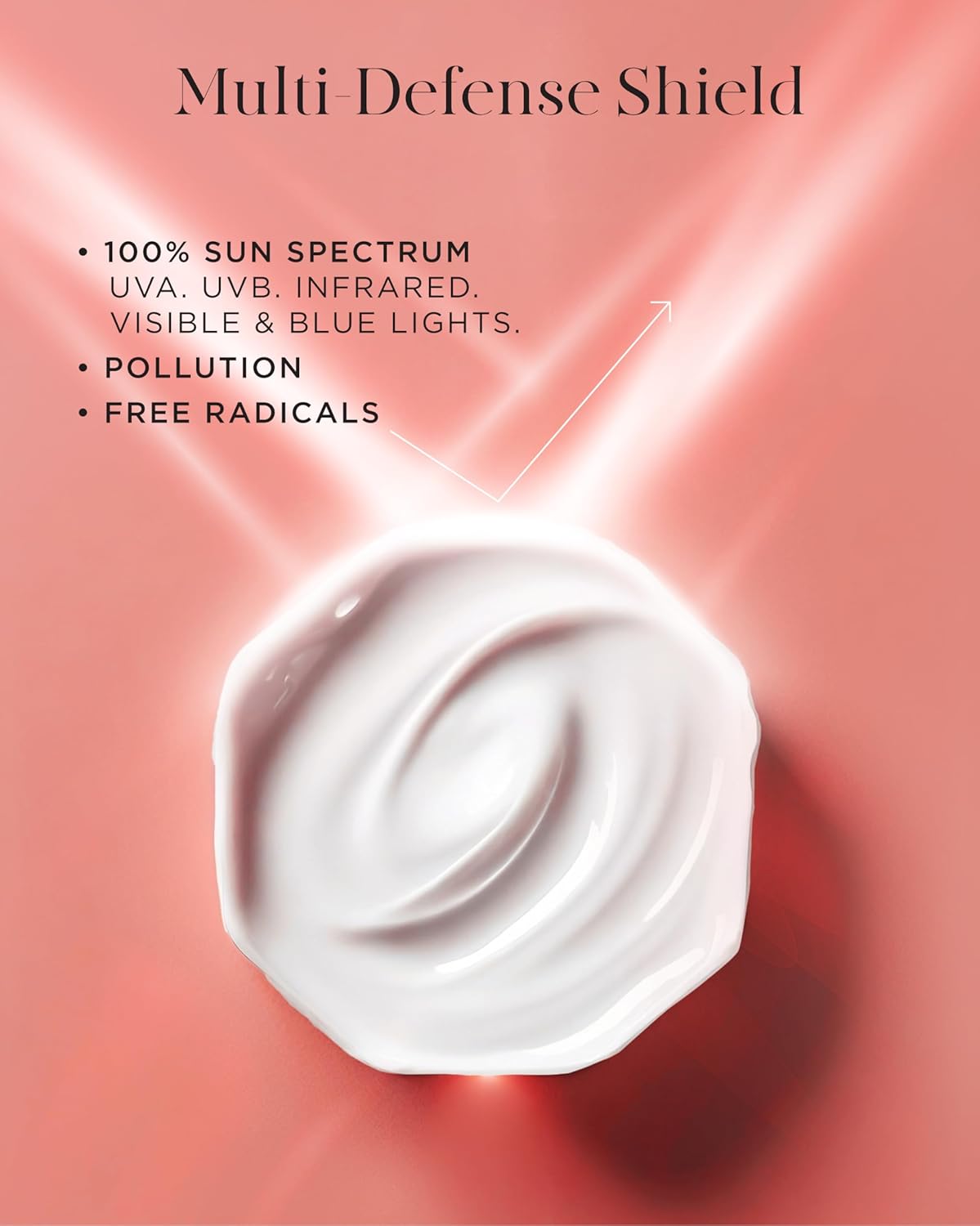
Addressing blue light exposure effectively starts with reducing overall oxidative stress rather than focusing on screens alone. Antioxidant-rich skincare, barrier-supportive routines, and sun protection have a far greater impact than avoiding devices. Broad-spectrum sunscreen protects against visible light when formulated with iron oxides, which can help minimize pigment activation. Lifestyle factors like sleep quality, stress regulation, and inflammation control also influence how skin processes cumulative environmental exposure, including light from screens.
Why Fear-Based Blue Light Messaging Misses The Bigger Picture
Blue light has been positioned as a modern skincare villain largely because it feels new, constant, and unavoidable. In reality, visible light exposure has always existed, and the skin evolved mechanisms to manage it. Overemphasizing blue light aging distracts from far more impactful contributors such as UV exposure, smoking, sleep deprivation, and chronic stress. Skin ages primarily due to internal regulation and cumulative environmental load, not because of daily phone use. When blue light is understood as a minor, modifiable factor rather than a dominant threat, skincare choices become calmer, more effective, and grounded in biology rather than anxiety.
This post is for informational purposes only and isn’t a substitute for professional medical guidance. As an Amazon Associate, I earn from qualifying purchases – at no cost to you!
Leave a Reply