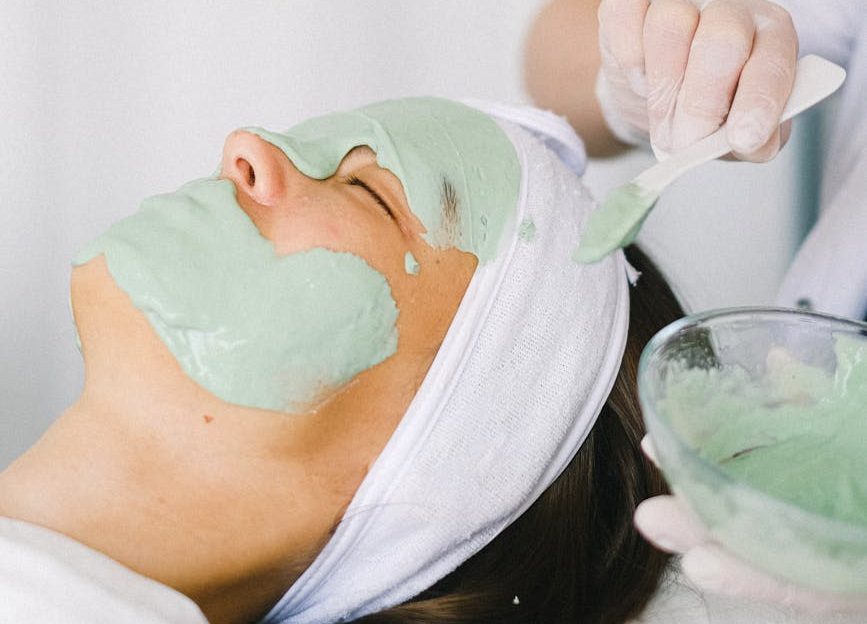
Jelly masks have exploded across skincare routines, med spas, and social feeds, often framed as a cooling, pore-shrinking, glow-boosting fix. Beneath the satisfying texture and instant gratification, jelly masks work through hydration physics, occlusion, and temperature modulation—making them less about trends and more about how skin barriers respond to moisture, calm, and controlled stimulation.
Why Jelly Masks Behave Differently Than Cream Or Sheet Masks
Jelly masks have a unique hydrogel structure that allows them to sit on the skin as a semi-occlusive layer rather than being fully absorbed like creams or relying on fabric delivery like sheet masks. This matters because skin hydration is not just about adding water but about slowing water loss. Jelly masks form a flexible seal that traps moisture at the surface, increasing hydration levels in the stratum corneum while reducing transepidermal water loss. Unlike thick occlusives that can feel heavy or pore-clogging, jelly textures distribute pressure evenly and adapt to facial contours, which helps maintain comfort while prolonging contact time. This combination allows active ingredients to remain bioavailable longer without overwhelming the skin.

The Cooling Effect And Its Impact On Skin Physiology
One of the defining characteristics of jelly masks is their cooling sensation, which is not just sensory but physiological. Cooling reduces superficial blood flow temporarily, which can decrease redness, puffiness, and inflammatory signaling at the skin’s surface. This makes jelly masks particularly appealing for reactive, post-treatment, or heat-stressed skin. The temperature drop can also calm nerve endings, reducing itch or irritation. Importantly, the cooling effect does not “shrink pores” permanently, but it can temporarily tighten surrounding tissue and reduce swelling, creating the appearance of smoother skin. This makes jelly masks effective as a short-term reset for skin that feels inflamed or overstimulated.
How Hydration From Jelly Masks Supports Skin Barrier Repair
Skin barrier function depends heavily on consistent hydration and lipid organization. When the barrier is compromised, moisture escapes more easily and irritants penetrate more deeply. Jelly masks support barrier repair by increasing water content in the upper skin layers without disrupting lipid balance. Many formulas rely on humectants like glycerin or algae-derived polysaccharides that attract water into the skin, while the jelly matrix slows evaporation. This environment allows barrier enzymes to function more efficiently, supporting recovery rather than forcing exfoliation or stimulation. Over time, repeated barrier-friendly hydration can make skin more resilient, less reactive, and better able to tolerate other treatments.
Why Jelly Masks Feel Instantly Satisfying But Work Best Over Time
Jelly masks are often praised for immediate results—plumper skin, temporary glow, reduced redness—but their real value comes from consistency. Hydrated skin reflects light more evenly, which explains the instant visual improvement. However, collagen production, barrier normalization, and inflammation control are cumulative processes. When jelly masks are used regularly rather than as one-off fixes, they help maintain hydration balance and reduce micro-inflammation that contributes to dullness and texture irregularities. This positions jelly masks as maintenance tools rather than miracle treatments, supporting skin function rather than overriding it with aggressive actives.
What Jelly Masks Can And Cannot Do For Pores And Texture
There is persistent confusion around jelly masks and pore size, largely driven by visual results. Jelly masks cannot change pore structure, which is determined by genetics, oil production, and collagen support. What they can do is reduce surrounding inflammation and dehydration, both of which exaggerate pore appearance. When skin is well hydrated and calm, pores appear smaller because tissue sits more evenly around them. Jelly masks also temporarily smooth surface texture by filling fine dehydration lines, which contributes to a blurred effect. This distinction matters because it reframes jelly masks as supportive tools rather than corrective treatments.
How Ingredients Inside Jelly Masks Influence Results
Not all jelly masks are interchangeable, and ingredient composition significantly affects outcomes. Formulas centered around simple hydration behave differently than those layered with botanical extracts, enzymes, or soothing agents. Jelly masks that prioritize calming ingredients tend to benefit sensitive or post-procedure skin, while those formulated with antioxidants support recovery from environmental stress. Because the jelly base enhances ingredient contact time, even low concentrations can have noticeable effects. This makes ingredient quality more important than intensity. Poorly formulated masks can trap irritants against the skin, while thoughtfully balanced formulas enhance comfort and recovery.
When Jelly Masks Make Sense In A Routine And When They Don’t
Jelly masks are best positioned as supportive treatments rather than replacements for core skincare steps. They work well after cleansing, exfoliation, or professional services when skin needs hydration and calm. They are also useful during periods of seasonal dryness, hormonal shifts, or barrier stress. However, relying on jelly masks alone without addressing cleanser choice, moisturizer compatibility, or sun exposure limits their impact. Skin health is cumulative, and jelly masks function best as part of a larger ecosystem focused on barrier integrity, inflammation control, and consistency rather than quick fixes.
The Bottom Line On Jelly Masks And Skin Health
Jelly masks are popular not because they are gimmicks, but because they align with how skin naturally responds to hydration, cooling, and reduced stress. Their effectiveness lies in their ability to create a controlled, calming environment that supports barrier repair and visual smoothness. When used with realistic expectations and consistent habits, jelly masks contribute to healthier-looking skin over time rather than dramatic overnight change. Understanding their role allows them to be used intentionally, turning a trend-driven product into a physiology-aligned skincare tool.
This post is for informational purposes only and isn’t a substitute for professional medical guidance. As an Amazon Associate, I earn from qualifying purchases – at no cost to you!
Leave a Reply