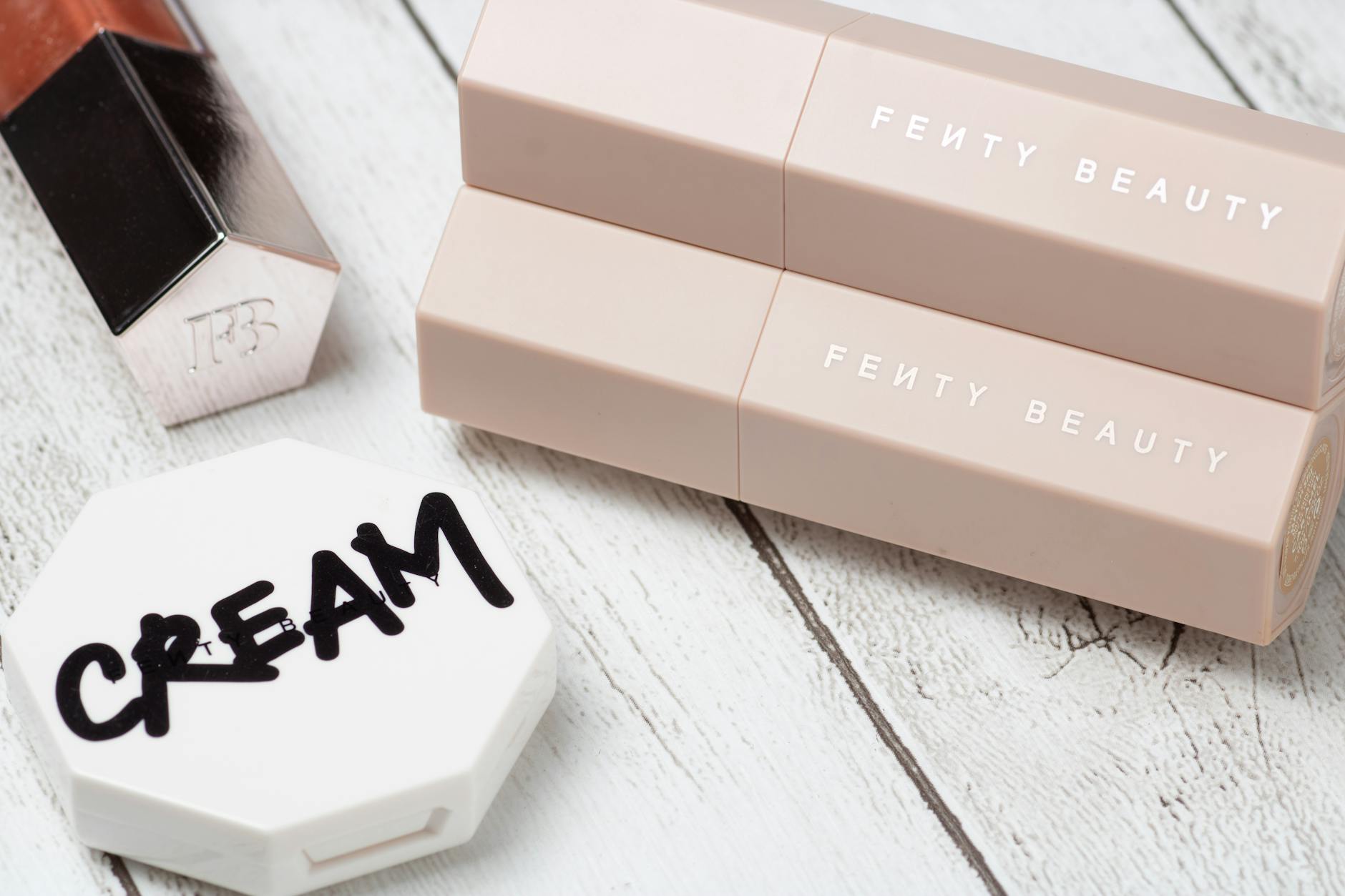
When Fenty Beauty launched in 2017, it didn’t just introduce another celebrity makeup line—it fundamentally shifted how the beauty industry defines inclusivity, marketing, and product development. Created by Rihanna, Fenty challenged long-standing industry norms by treating diverse skin tones as the baseline rather than the exception. The brand’s debut immediately reframed consumer expectations, proving that inclusivity was not a niche concept but a business imperative. What once felt like a bold experiment quickly became the new standard, forcing legacy brands to reconsider who they were truly designing products for.
Before Fenty, Inclusivity Was Treated as an Afterthought
Prior to Fenty Beauty, many makeup brands claimed to be inclusive while offering limited shade ranges that centered lighter skin tones. Deeper shades were often added later, poorly formulated, or quietly excluded from marketing campaigns. Consumers with medium-to-deep skin tones frequently had to mix products or settle for imperfect matches. Fenty disrupted this cycle by launching with an expansive foundation range from day one, sending a clear message that everyone deserved to be considered equally at the starting line. This wasn’t just about shade numbers—it was about visibility, respect, and intentional design.
Rihanna’s Influence Went Beyond Celebrity Endorsement
Rihanna’s role in Fenty Beauty was not symbolic. She actively shaped product development, branding, and messaging based on real gaps she personally experienced. That authenticity resonated with consumers who were increasingly skeptical of celebrity-fronted brands with little substance behind them. Rihanna positioned herself not as a face of the brand, but as a consumer advocate within it. Her credibility, cultural awareness, and refusal to dilute the message helped Fenty feel less like a marketing exercise and more like a correction to an industry that had ignored vast audiences for decades.
Fenty Redefined What “Universal” Actually Means
One of Fenty Beauty’s most lasting contributions is how it reframed the word “universal.” Instead of creating one-size-fits-all products that suited very few people perfectly, Fenty focused on adaptability across skin tones, undertones, and finishes. Products were tested and demonstrated on a wide spectrum of complexions, making marketing visuals feel representative rather than aspirationally exclusive. This shift made inclusivity visible, not just theoretical, and set new expectations for how brands show their products in real-world use rather than idealized imagery.
The Industry Was Forced to Catch Up—Fast
The success of Fenty Beauty triggered a noticeable ripple effect across the beauty industry. Brands that had previously offered narrow shade ranges began expanding them almost overnight. Inclusivity, once treated as a trend, became a baseline consumer expectation. Retailers adjusted how they stocked and promoted products, while marketing campaigns began featuring models of varied ethnicities, skin tones, and backgrounds more consistently. While not every shift was authentic, Fenty made it impossible for brands to ignore the demand without facing public accountability.
Fenty Changed Consumer Trust and Brand Loyalty
Fenty Beauty also reshaped how consumers think about brand trust. Shoppers became more willing to support companies that demonstrated genuine inclusivity rather than retroactive corrections. Loyalty shifted toward brands that listened, represented, and delivered thoughtfully. Fenty’s approach created an emotional connection rooted in feeling seen, not sold to. This kind of trust is difficult to manufacture through advertising alone, and it changed how consumers evaluate authenticity in the beauty space long after the initial product launches.
Why Fenty’s Impact Still Matters Today
Years after its launch, Fenty Beauty’s influence remains visible across product development, shade innovation, and brand accountability. Its success proved that inclusion is not a risk—it’s a growth strategy that benefits both consumers and companies. More importantly, it reset the bar for what consumers expect from beauty brands ethically and commercially. Fenty didn’t just change makeup shelves; it changed the conversation around who beauty is for, making the industry more reflective of the world it serves rather than a narrow version of it.
The Legacy of Fenty Is Bigger Than Makeup
Fenty Beauty’s true legacy lies in how it reframed power within the beauty industry. It showed that listening to underrepresented consumers is not only socially important but commercially smart. Rihanna used her platform to challenge outdated systems and replace them with something more realistic, inclusive, and sustainable. Long after trends fade and formulas change, Fenty’s impact endures as a turning point—proof that when brands lead with intention, the entire industry follows.

This post is for informational purposes only and isn’t a substitute for professional medical guidance. As an Amazon Associate, I earn from qualifying purchases – at no cost to you!
Leave a Reply