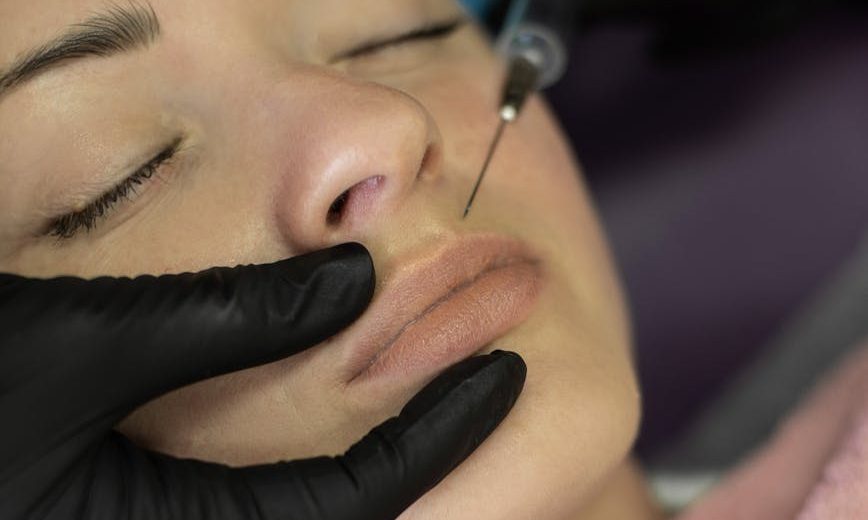
Neurotoxin injectables have become one of the most common non-surgical cosmetic treatments for smoothing wrinkles and preventing deeper lines from forming. While many people use the word “Botox” as a catch-all term, there are actually several FDA-approved options that work in slightly different ways. Understanding the differences between Botox, Dysport, and Jeuveau can help you make a more informed decision and set realistic expectations for results, timing, and longevity.
How Wrinkle Relaxers Actually Work
All three wrinkle relaxers—Botox, Dysport, and Jeuveau—use botulinum toxin type A to temporarily block nerve signals to specific facial muscles. When these muscles can’t contract as forcefully, the skin above them stops folding repeatedly, which allows fine lines and wrinkles to soften. These treatments are best suited for dynamic wrinkles, meaning lines caused by movement, such as frown lines, forehead lines, and crow’s feet. They do not add volume or fill the skin, which is an important distinction from dermal fillers.
Botox: The Original and Most Studied Option
Botox is the original neurotoxin used for cosmetic wrinkle reduction and has been FDA-approved for aesthetic use since 2002. It has the longest safety record and the widest range of approved uses, including both cosmetic and medical applications. Botox is known for its precision, making it a strong choice for smaller, targeted areas where controlled muscle relaxation is needed. Because it stays relatively localized after injection, experienced injectors often prefer Botox for areas requiring accuracy.
Dysport: Faster Results and Wider Spread
Dysport entered the cosmetic market later and gained popularity for its faster onset and ability to diffuse more easily through muscle tissue. This wider spread can be beneficial when treating larger areas like the forehead, where softening a broader muscle group creates a more natural appearance. Dysport often begins working within one to three days, which is faster than most people experience with Botox. However, because it spreads more, careful dosing and injector experience are especially important to avoid unintended muscle relaxation.
Jeuveau: A Cosmetic-Only Neurotoxin
Jeuveau is the newest of the three and was developed specifically for aesthetic use. Sometimes called “Newtox,” it uses a modern purification process that focuses on cosmetic outcomes rather than therapeutic ones. Jeuveau is commonly chosen by people who are newer to neurotoxins or looking for a more budget-friendly alternative. While its effects and longevity are comparable to Botox, it does not yet have the same long-term clinical history, which may matter to those who prefer treatments with decades of data behind them.
Differences in Onset and Longevity
One of the most noticeable differences between these injectables is how quickly results appear. Dysport tends to work the fastest, followed by Jeuveau, with Botox usually taking the longest to fully activate. In terms of longevity, all three last approximately three to four months for most people, though metabolism, muscle strength, and injection technique can influence duration. Some patients report Dysport wearing off slightly sooner, while others feel Botox lasts the longest, making this highly individual.
Cost and Dosing Considerations
Pricing varies by provider, location, and dosing strategy, but Botox is often the most expensive per unit due to brand recognition and demand. Dysport and Jeuveau may appear cheaper, but Dysport typically requires more units to achieve similar effects because of how it diffuses. This means overall cost differences may be smaller than expected. Choosing based solely on price can be misleading; injector expertise often matters more than the brand itself.
Choosing the Best Option for Your Face
There is no universal “best” neurotoxin. Botox may be ideal for precise areas like crow’s feet or frown lines, Dysport can work beautifully for broad forehead treatment, and Jeuveau may be a good entry point for cosmetic neurotoxins. Facial anatomy, muscle strength, age, and personal aesthetic goals all play a role. A skilled injector will often choose different products for different areas of the same face to achieve the most balanced result.
Safety, Side Effects, and Expectations
When administered correctly by a qualified professional, all three treatments are considered safe. Temporary side effects can include mild swelling, bruising, or headache. More serious complications are rare and usually related to improper placement or dosing. It’s also important to understand that these treatments are temporary and preventative, not permanent solutions. Consistent use over time can help soften expression lines, but results depend heavily on technique and individualized planning.
Final Thoughts on Botox vs Dysport vs Jeuveau
Botox, Dysport, and Jeuveau all accomplish the same goal—relaxing wrinkle-causing muscles—but they do so with subtle differences that can affect results. The most important factor isn’t which product “wins,” but which one is best suited to your face, goals, and injector’s expertise. A thoughtful consultation matters far more than brand loyalty, and understanding these differences helps ensure you get results that look natural, balanced, and intentional rather than overdone.

This post is for informational purposes only and isn’t a substitute for professional medical guidance. As an Amazon Associate, I earn from qualifying purchases – at no cost to you!
Leave a Reply