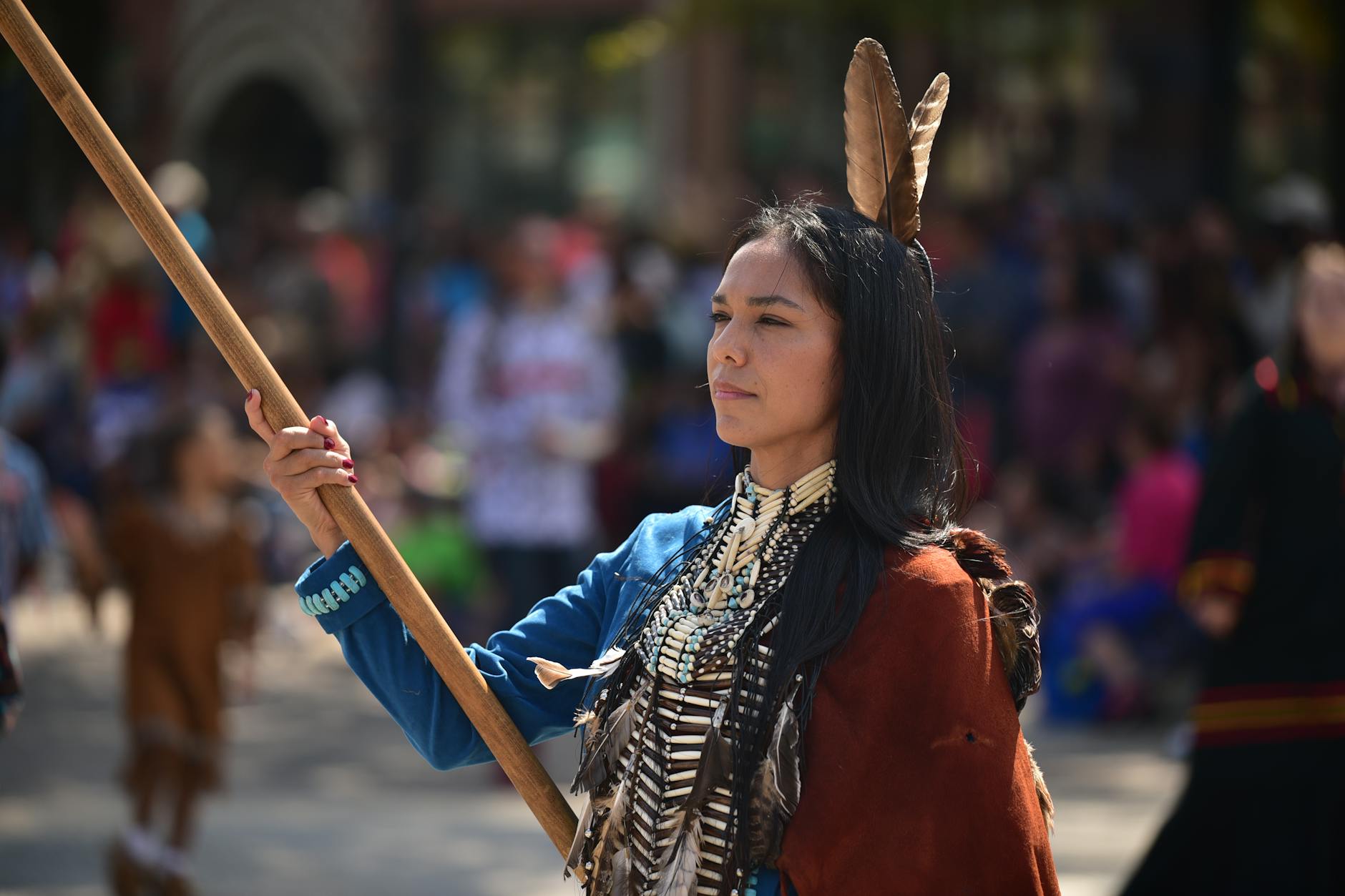
Skin care in Native American cultures developed through centuries of environmental observation, trial, and biological understanding rather than cosmetic goals. These practices evolved as survival strategies, using locally available materials to protect the skin barrier, regulate inflammation, and prevent infection in harsh climates. Modern dermatology increasingly validates many of these approaches, revealing that traditional Native American skincare aligned closely with principles now considered foundational to skin health.
How Indigenous Skincare Emerged From Environmental Adaptation
Native American skincare practices were shaped primarily by geography, climate, and daily physical demands rather than aesthetic ideals. Communities living in deserts, plains, forests, or cold regions developed skin strategies specific to sun exposure, wind, moisture levels, and temperature extremes. Skin was viewed as a protective organ first, requiring reinforcement against environmental stress rather than frequent manipulation. This led to routines focused on shielding, sealing moisture, and minimizing damage rather than constant cleansing or exfoliation. By adapting care to external conditions, these practices preserved barrier integrity and prevented chronic irritation long before the concept of dermatology existed.

Traditional Ingredients And Their Biological Functions
The materials used in Native American skincare were selected for functional properties that modern science now recognizes as biologically effective. Natural oils helped reduce transepidermal water loss and reinforce the lipid barrier. Mineral-rich clays absorbed impurities while maintaining skin pH balance. Plant-based preparations offered antimicrobial and anti-inflammatory effects, supporting wound healing and infection prevention. These ingredients worked with the skin’s innate repair mechanisms rather than overriding them, helping maintain hydration, microbiome balance, and resilience under physically demanding conditions.
Why Minimal Intervention Preserved Skin Barrier Health
One defining feature of Indigenous skincare systems was restraint. Products were used when needed, not layered excessively or applied indiscriminately. This limited disruption to the stratum corneum, the outermost layer of skin responsible for moisture retention and immune defense. Modern research shows that repeated barrier disruption increases sensitivity, inflammation, and premature aging. By minimizing unnecessary intervention, traditional practices allowed the skin to self-regulate oil production, repair microdamage, and maintain immune equilibrium. The result was skin better equipped to adapt to stress and recover efficiently after injury or exposure.
Skin As A Component Of Whole-Body Health
Native American cultures understood skin health as inseparable from internal balance, nutrition, activity, and seasonal rhythms. Diets rich in whole foods, periods of physical labor, and consistent sun exposure patterns influenced skin function over time. This holistic perspective aligns with current evidence linking chronic inflammation, metabolic instability, and nutrient deficiencies to accelerated skin aging and dysfunction. Rather than isolating the skin as a cosmetic surface, Indigenous practices supported systemic health, indirectly maintaining skin strength, elasticity, and healing capacity.
Seasonal Adjustment As A Core Skincare Principle
Seasonality played a critical role in traditional skincare approaches. Protection strategies shifted with temperature changes, humidity levels, and sun intensity. Cold seasons emphasized moisture retention and barrier reinforcement, while warmer periods focused on reducing irritation and supporting repair after sun exposure. Modern dermatology now recognizes that skin behavior changes with seasonal factors, affecting oil production, hydration, and sensitivity. Native American practices inherently accounted for these shifts, preventing cumulative damage that often occurs when routines remain static year-round.
Scientific Parallels In Modern Dermatology
Many principles underlying Native American skincare mirror contemporary evidence-based recommendations. Protecting the skin barrier, avoiding over-cleansing, reducing chronic inflammation, and tailoring care to environment are now central to dermatologic treatment protocols. Research on the skin microbiome further supports minimal disruption and selective intervention, concepts embedded in Indigenous care systems. What was once knowledge passed through observation and tradition is now reinforced by molecular biology, immunology, and barrier science.
Why These Practices Were About Longevity, Not Appearance
Native American skincare was never centered on reversing time or altering appearance. Its goal was functional longevity—keeping skin intact, comfortable, and capable of healing throughout a physically demanding life. Modern fixation on cosmetic anti-aging often overlooks this distinction, prioritizing surface-level change over structural health. Indigenous approaches prioritized durability and recovery, outcomes now associated with slower visible aging as a secondary effect rather than a primary aim.
Understanding Native American skincare through a historical and scientific lens reveals it as an early form of applied skin biology. These practices were not primitive or accidental; they were adaptive systems refined over generations. As modern science continues to emphasize barrier protection, inflammation control, and environmental responsiveness, it increasingly echoes principles Indigenous cultures understood long ago.
This post is for informational purposes only and isn’t a substitute for professional medical guidance. As an Amazon Associate, I earn from qualifying purchases – at no cost to you!
Leave a Reply