

Tooth pain is one of those symptoms that’s hard to ignore because it can interfere with eating, sleeping, and even thinking clearly. Sometimes it shows up as sharp sensitivity, other times as a dull ache or throbbing pressure, and occasionally it feels like it comes out of nowhere. Understanding why your teeth hurt matters because tooth pain is not a single-condition problem—it’s a signal. Your teeth, gums, nerves, and jaw are all closely connected, and discomfort often points to an underlying issue that ranges from minor and temporary to something that needs professional attention.
Tooth Sensitivity Is One of the Most Common Culprits
One of the most frequent reasons teeth hurt is simple sensitivity. This usually happens when the protective enamel wears down or gums recede, exposing the softer dentin layer underneath. Dentin contains tiny channels that connect directly to the tooth’s nerve, so hot, cold, sweet, or acidic foods can trigger pain quickly. Sensitivity often develops gradually from brushing too hard, using abrasive toothpaste, frequent acidic drinks, or natural aging, and it tends to cause short, sharp discomfort rather than lingering pain.
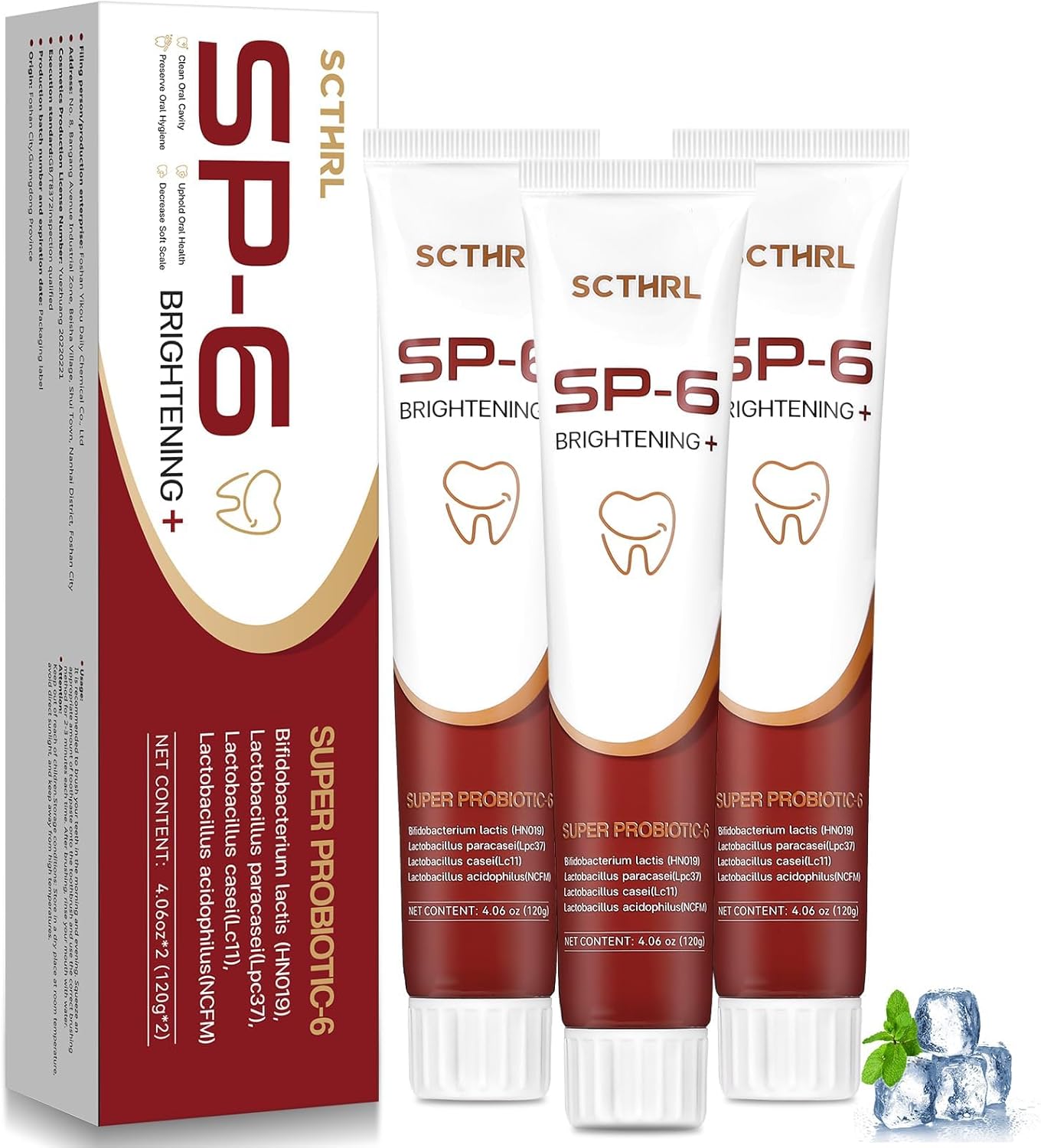
Cavities Can Cause Pain Before You See Them
Cavities don’t always look dramatic in the mirror, especially in their early stages. Tooth decay starts when bacteria produce acid that breaks down enamel, eventually reaching the more sensitive inner layers. As decay progresses, pain can move from mild sensitivity to consistent aching or sharp pain when chewing. Many people are surprised to learn they have a cavity because the tooth looks fine on the surface, but pain is often one of the earliest warning signs that decay has moved beyond the enamel.
Gum Problems Can Make Teeth Hurt Even If Teeth Look Healthy
Teeth don’t exist independently—they rely on healthy gums and bone for support. Inflammation of the gums, commonly from plaque buildup, can cause soreness, tenderness, and a generalized ache around the teeth. As gum issues progress, pockets can form around the teeth, exposing sensitive root surfaces and making teeth feel painful or loose. This type of discomfort often feels more widespread rather than isolated to a single tooth and may be accompanied by bleeding, swelling, or bad breath.
Clenching and Grinding Can Trigger Tooth Pain
Many people clench or grind their teeth without realizing it, especially during sleep or periods of stress. This constant pressure can strain the teeth, jaw muscles, and surrounding ligaments, leading to soreness, sensitivity, and pain that feels deep or achy. Teeth may hurt more in the morning or after stressful days, even if there’s no visible damage. Over time, grinding can wear down enamel, create small cracks, and make teeth increasingly sensitive and painful.
Cracked or Damaged Teeth Can Cause Intermittent Pain
A cracked tooth doesn’t always cause constant discomfort, which can make it confusing to diagnose. Pain may come and go, often triggered by chewing, temperature changes, or releasing pressure after biting. Small cracks can form from biting hard foods, past dental work, or long-term grinding. Even hairline fractures can allow bacteria or temperature changes to irritate the nerve, causing sharp or sudden pain that feels unpredictable but usually repeats in specific situations.
Sinus Pressure Can Mimic Tooth Pain
Upper tooth pain isn’t always dental in origin. The roots of the upper back teeth sit close to the sinus cavities, and sinus congestion or infection can create pressure that feels like tooth pain. This discomfort often affects multiple upper teeth at once and may worsen when bending forward or lying down. If tooth pain coincides with congestion, facial pressure, or a recent cold, the source may be sinus-related rather than a problem with the teeth themselves.
Recent Dental Work Can Temporarily Make Teeth Hurt
Teeth may feel sore or sensitive after dental procedures such as fillings, cleanings, crowns, or whitening treatments. This is usually temporary and happens because the tooth and surrounding tissues were irritated during treatment. Pain often resolves within days to a couple of weeks, but lingering or worsening discomfort may indicate a bite issue or deeper irritation. Post-procedure pain that steadily improves is typically normal, while pain that intensifies should be evaluated.
When Tooth Pain Is a Sign You Shouldn’t Ignore
While some tooth pain is mild and temporary, certain symptoms suggest a more serious issue. Persistent pain, swelling, fever, severe sensitivity, or pain that wakes you up at night can indicate infection or nerve involvement. These symptoms signal that the tooth may need professional treatment rather than home management. Ignoring ongoing pain can allow problems to worsen, potentially leading to more invasive treatment later.
What Tooth Pain Is Really Telling You
Teeth hurt for many reasons, but the pain itself is your body’s way of asking for attention. Whether it’s sensitivity, decay, gum inflammation, grinding, or pressure from nearby structures, tooth pain is information—not just an inconvenience. Paying attention to how the pain feels, when it happens, and how long it lasts can help narrow down the cause and guide next steps. Addressing tooth pain early often means simpler solutions and better long-term oral health.
This post is for informational purposes only and isn’t a substitute for professional medical guidance. As an Amazon Associate, I earn from qualifying purchases – at no cost to you!
Leave a Reply