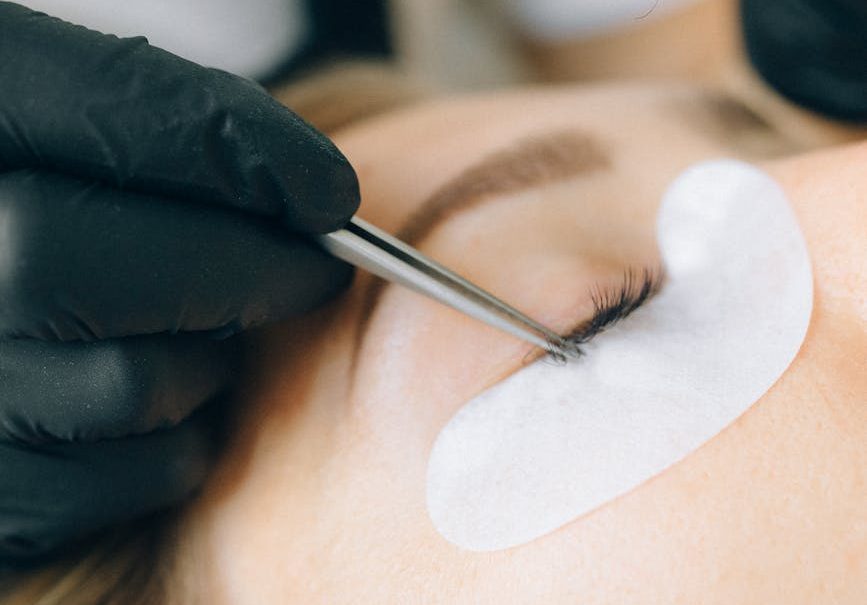
Eyelash extensions are applied millimeters from the eyes, making technique, sanitation, and anatomical knowledge critical to safety. Ensuring a lash technician is properly licensed isn’t about paperwork—it’s about protecting eye health, skin integrity, and long-term outcomes that can be compromised when training and regulation are bypassed.
Why Lash Services Carry Higher Risk Than Most Beauty Treatments
Lash services occupy a uniquely high-risk category within the beauty industry because they take place directly next to the eyes using chemicals, adhesives, and sharp tools. The eye area has thin skin, sensitive mucous membranes, and constant moisture, all of which increase susceptibility to irritation, infection, and injury. Adhesives release fumes that can irritate the eyes and respiratory system, and improper isolation or placement can cause lashes to pull at the follicle or rub against the eye surface. Unlike many cosmetic services, even small errors in technique can have outsized consequences, which is why regulation exists in the first place. Licensed lash technicians are trained to reduce chemical exposure, manage eye moisture, and protect the ocular surface, while clients are often advised to support recovery with gentle, ophthalmologist-approved aftercare such as sterile saline eye washes when irritation occurs.
What Licensing Actually Means in Lash Services
Licensing requirements exist to ensure that anyone performing lash services has completed standardized education in sanitation, infection control, anatomy, and chemical safety. A license indicates that the technician has been tested on how to prevent cross-contamination, properly disinfect tools, recognize skin and eye conditions that contraindicate service, and respond to adverse reactions. This includes understanding which cleansing products are safe around extensions and which oils or surfactants can destabilize adhesive bonds. For this reason, many licensed technicians recommend oil-free foaming cleansers specifically formulated for lash wearers as part of responsible home care between appointments.
The Health Risks Linked to Unlicensed Lash Application
When lash services are performed without proper training and oversight, the likelihood of complications increases significantly. Poor sanitation can introduce bacteria, leading to infections of the eyelid or eye surface. Incorrect adhesive use can trigger chemical burns, allergic reactions, or chronic irritation. Improper lash isolation can cause multiple natural lashes to be glued together, placing stress on the follicle and increasing the risk of lash loss or follicle damage. In more serious cases, untreated infections or repeated trauma can contribute to long-term issues that affect eye comfort and lash growth. These outcomes are not rare anomalies—they are predictable consequences when safety protocols are skipped or misunderstood.
Why Eye and Skin Damage Isn’t Always Immediate
One of the most dangerous aspects of poorly performed lash services is delayed onset of symptoms. Irritation, itching, swelling, redness, or pain may not appear until hours after exposure, making it harder to connect the issue to the service. Chronic problems can develop gradually as well, such as persistent inflammation, weakened lash follicles, or recurring eye discomfort. This delay often leads people to assume the problem is personal sensitivity rather than technique-related. Licensed technicians are trained to minimize these delayed risks by selecting appropriate products, controlling exposure, and advising clients on early warning signs and post-appointment care, including avoiding friction, excessive cleansing, or occlusive products during the first 24 hours.
The Difference Between Certification and Licensure
A common source of confusion is the difference between certification and licensure. Certification typically indicates completion of a private course or brand-specific training, which may or may not include health and safety education. Licensure, by contrast, is issued by a regulatory body and requires compliance with state or regional standards. While certifications can supplement skill development, they do not replace licensure. Some unlicensed technicians advertise certifications to appear qualified, but this does not provide the same consumer protections or enforceable standards. Understanding this distinction empowers clients to ask informed questions and avoid being misled by credentials that sound official but carry no regulatory weight.
Why Choosing a Licensed Lash Tech Is a Health Decision
Selecting a licensed lash technician is ultimately a health choice, not just a cosmetic preference. Licensing creates accountability, establishes minimum safety standards, and provides recourse if something goes wrong. It also signals that the technician understands the responsibility involved in working near the eyes. Licensed professionals tend to emphasize long-term lash integrity, often recommending conditioning support between fills to reduce follicle stress and breakage. One example commonly suggested for this purpose is a peptide or biotin conditioner, which focuses on conditioning the lash hair itself rather than forcing accelerated growth.
While a licensed professional cannot eliminate all risk, they are far better equipped to manage it responsibly. Lash extensions can be beautiful and enjoyable when done correctly, but cutting corners increases the chance of preventable harm. Prioritizing licensure helps shift the industry toward safer practices and protects both immediate comfort and long-term eye health.
This post is for informational purposes only and isn’t a substitute for professional medical guidance. As an Amazon Associate, I earn from qualifying purchases – at no cost to you!
Leave a Reply