
I’ll admit it: I’m not impressed by the most dramatic cold plunge content. The clenched jaw, the ice avalanche, the whole “look how tough I am” energy doesn’t sell me. The part that actually matters is quieter: can you get cold, keep breathing and get out before your body has had enough?
Cold water therapy is just deliberate cold exposure for a short, controlled stretch. That can be a plunge tub, a stock tank with ice or the last bit of a shower turned all the way cold. People like it for the jolt, the clear head after and the oddly satisfying feeling of doing something hard before your coffee has fully kicked in.
The science is interesting, but it’s not magic. A PLOS ONE review of 11 trials with 3,177 healthy adults found lower stress 12 hours after cold immersion, plus better sleep quality and quality of life. Mood didn’t change in those studies, and inflammation rose briefly right after the cold. So I’d treat plunging like a wellness practice, not a cure-all.
What Is a Cold Plunge and How Long Should You Stay In?
A cold plunge means sitting or standing in cold water on purpose, usually for a short window. The goal isn’t to suffer as long as possible. It’s to train your response to stress, especially your breathing, while keeping the setup controlled.
For beginners, Cleveland Clinic suggests 50 to 59 degrees Fahrenheit and no more than five minutes total. First-timers should start closer to one or two minutes. Colder and longer isn’t the prize, especially when your heart and breathing are working harder.
A cold shower is the easiest starter version because you can turn the temperature up fast. A full-body tub feels more intense, while face icing or an ice roller gives you the skin-refreshing side without dunking your whole body. I’d start small, because the version you’ll actually repeat is the one that counts.
Start colder than comfortable, not colder than safe
View this post on Instagram
@icebarrel / Instagram
Ice Barrel (@icebarrel) frames plunging as a sign to go for it, and I like that more when it means calm practice instead of a stunt. The sweet spot is cold enough to make you focus, not so cold that you’re white-knuckling your way through it.
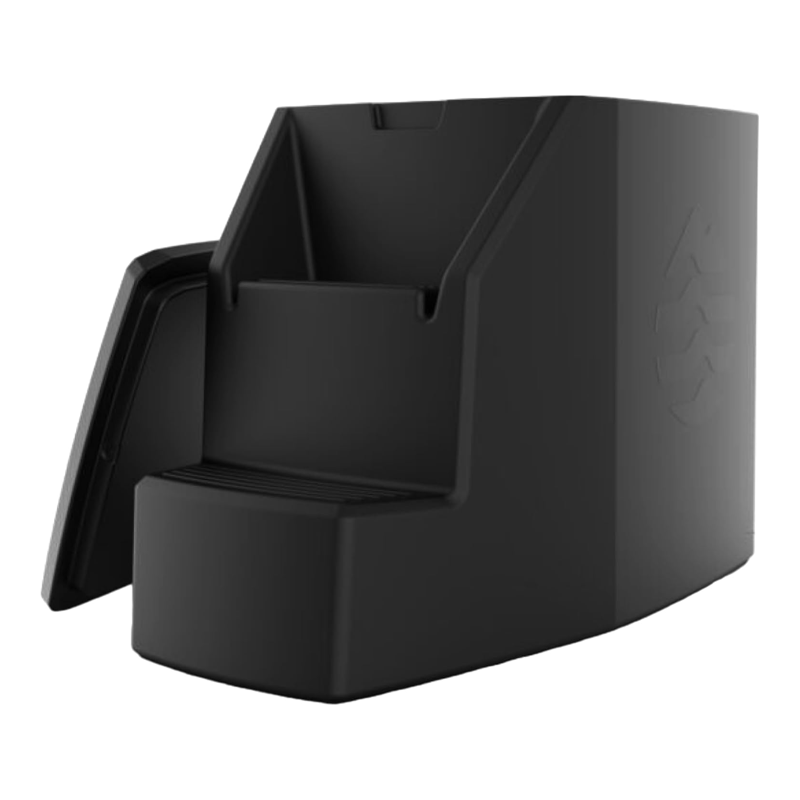
The Ice Barrel 500 Cold Plunge is a freestanding, step-in tub for at-home ice baths, and it fits the serious-plunge setup. It’s a big commitment for a habit you might still be testing, so I’d start with a cold shower first if you’re unsure.
The eLander Floating Water Thermometer is the boring little tool I’d care about most. Your hand can’t judge cold water well, and plain tap water may already be chilly enough. Check the number every time before you get in, because ice can drop the temperature faster than you’d expect.

The first minute is the hard part
View this post on Instagram
@iceman_hof / Instagram
Wim Hof (@iceman_hof), known as the Iceman, talks about cold as something that can feel strong, happy and communal. That group energy is part of the appeal. Doing something uncomfortable feels less scary when it’s not just you and your racing thoughts.
The roughest part is usually the first minute. Sudden cold can trigger a gasp, fast breathing and a racing heart. A PubMed Central study links that cold shock response to drowning risk, especially right at the start, but repeated short dips were tied to calmer breathing and lower heart rates later on.
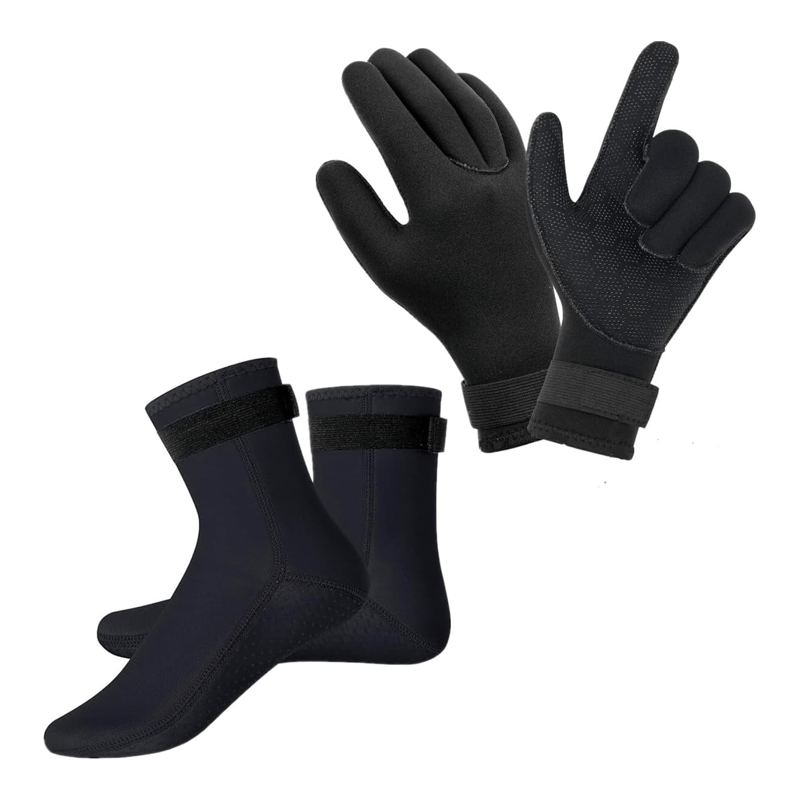
So breathe like that’s the whole point, because it kind of is. Slow your exhale and let the first panic wave pass. The Wsobue 3mm Neoprene Gloves and Socks can help your fingers and toes stay functional longer, which matters when you need to climb out steadily. If you feel lightheaded, get out. No wellness habit needs a hero moment.
Plunging for recovery, with one timing catch
View this post on Instagram
@erichinman / Instagram
Endurance athlete Eric Hinman (@erichinman) treats recovery like part of training, not an optional extra. His routine includes sauna rounds, short cold plunges and compression boots, and the plunge part stays brief: one to three minutes.
That lines up with the useful side of cold immersion. Cleveland Clinic says a plunge may help soreness after hard exercise because cold narrows blood vessels and can briefly reduce swelling. There’s also some evidence it may help sleep, especially for endurance athletes.
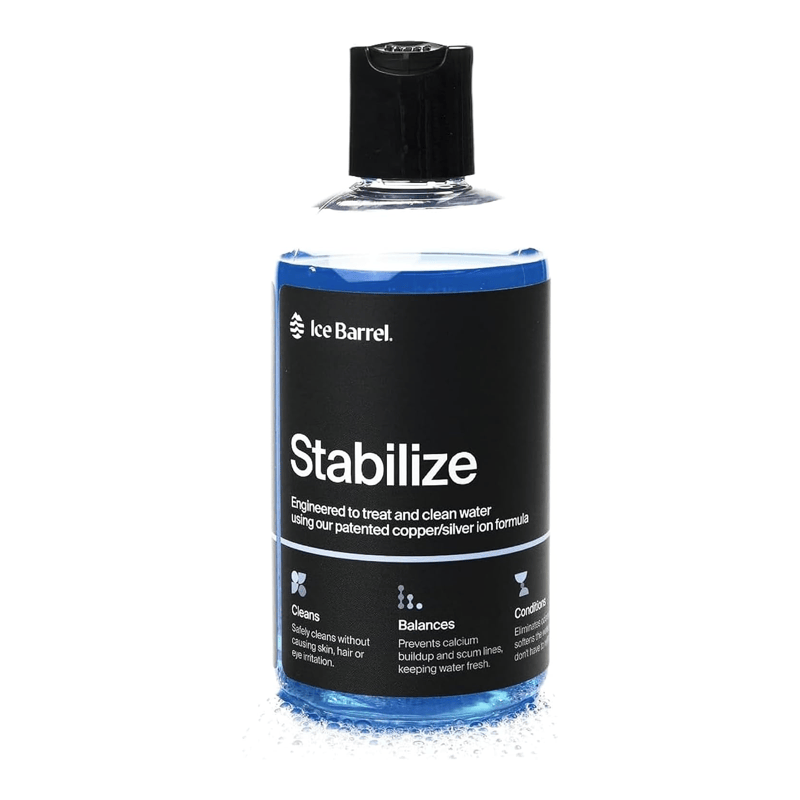
The timing catch is strength training. That cooling effect may dull some of the muscle-building signals after lifting, so Cleveland Clinic suggests waiting at least four hours after a muscle-building session or saving the plunge for rest days. The Ice Barrel 300 Insulated Cold Plunge is a rigid insulated tub with chiller ports, and the Ice Barrel 3-in-1 Water Treatment is a chlorine-free copper formula that helps keep stored plunge water clean.

Who should talk to a doctor first
View this post on Instagram
@plunge / Instagram
Plunge (@plunge) answers the women-and-cold-plunging question with context, not a blanket yes. I appreciate that, because the PLOS ONE review found only one of its 11 trials included women at all. That doesn’t mean women can’t plunge. It means the research picture is still thin.
Cleveland Clinic says to check with a healthcare provider first if you have heart disease, high blood pressure, diabetes, pregnancy, peripheral neuropathy, poor circulation, venous stasis or cold agglutinin disease. Cold water can raise blood pressure and make your heart work harder, so this isn’t the place to freestyle if health stuff is already in the mix.
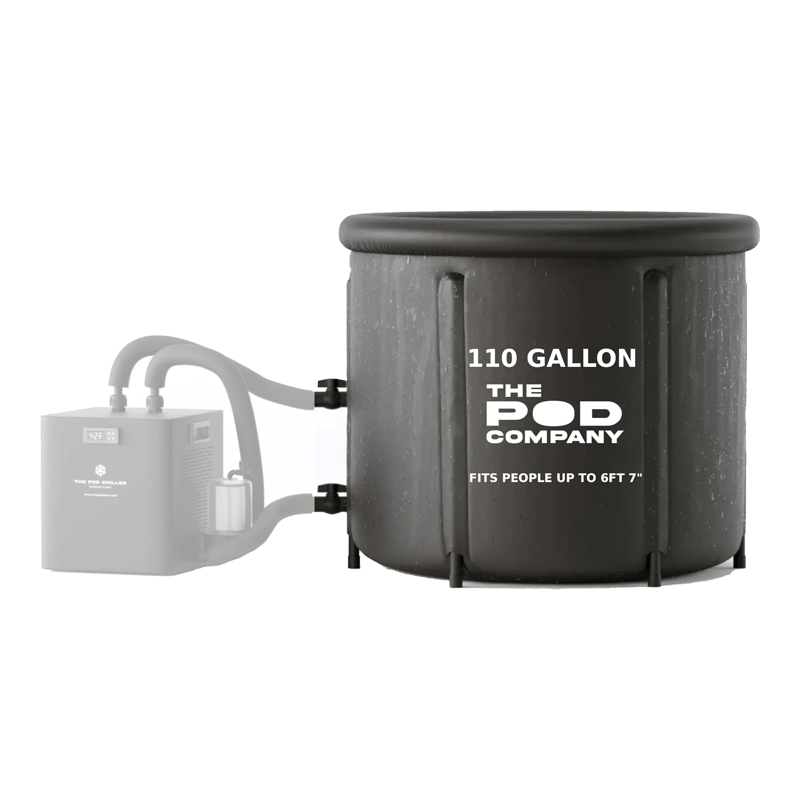
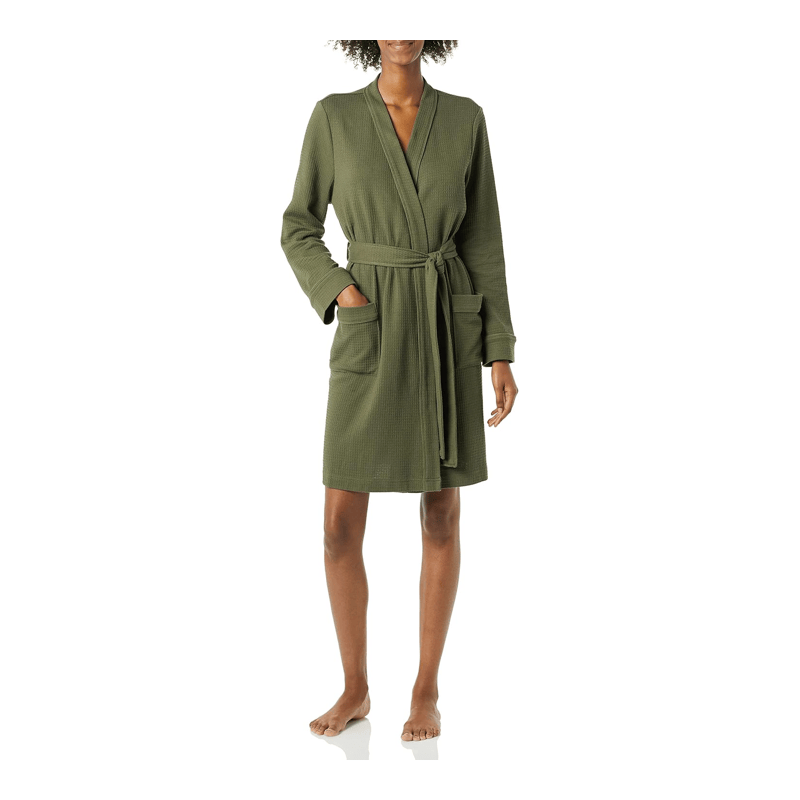
Even healthy people need an exit plan. Too long in cold water can lead to hypothermia, and numb hands or legs can make getting out harder. The Pod Company Ice Pod Pro is an insulated 110-gallon inflatable tub that can work with a chiller later. Keep a Women’s Lightweight Waffle Robe nearby so you can dry off fast and warm up gradually. I’d go for the robe in a soft oatmeal or white shade with simple silver jewelry if the whole patio setup needs to look a little less garage-gym.
The face-only version
View this post on Instagram
@skingymco / Instagram
Skin Gym (@skingymco) turns the cold-plunge idea into a sink-side depuffing routine, which is honestly the version I’d point most beauty people toward first. You still get the chill, but you don’t have to talk yourself into stepping into a tub.
The Skin Gym IceCool Ice Roller is a stainless steel roller that helps with puffiness and redness, especially when your face looks puffy from short sleep, salty food or allergies. Cleveland Clinic explains that cold narrows blood vessels and can bring down swelling, which is why a cold compress works on puffy eyes.
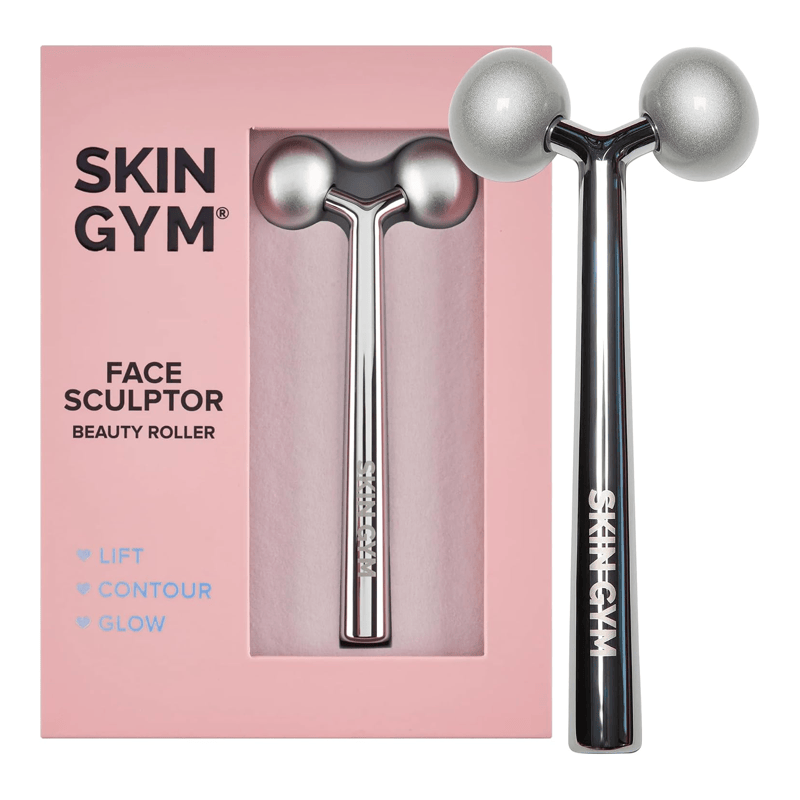
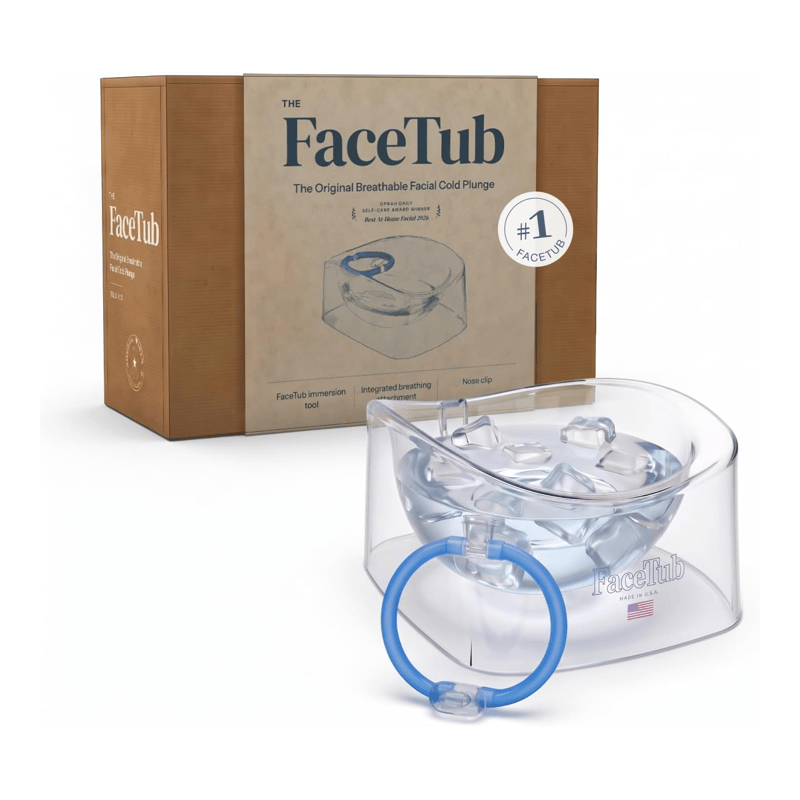
Roll from the center of your face outward for a few minutes, max. The Skin Gym Face Sculptor Beauty Roller is a stainless steel facial massage roller with dual rounded ends for cheekbones and the jaw, while The FaceTub Facial Cold Plunge is a face ice bath bowl with built-in breathing tubes. Swelling that sticks around longer than a day or two is a reason to see an eye doctor, not keep rolling harder.

The easiest version to try first isn’t the iciest tub. It’s a short cold shower, a clear timer and slow exhales until your body stops panicking.


