
No serum can cover for a diet that leaves your skin short on the basics. Skin gets built from what you eat. Vitamin C helps your body form collagen, a protein used to make skin, yet you can’t make or store vitamin C on your own. Vitamin A helps form and maintain skin too. Protein matters for repair, zinc plays a role in wound healing, and whole fruit beats a big glass of juice because fiber is part of the deal. So yes, your grocery cart quietly matters.
We’re still early on the research, and I’d ignore anyone promising a glow in a week, though a few studies are encouraging. One looked at more than 4,000 women aged 40 to 74. Those who ate more vitamin C were less likely to have a wrinkled look or dry skin. A much smaller study followed 35 people for six weeks and linked eating more fruit and vegetables to a warmer, rosier skin tone, thanks to plant pigments called carotenoids. Neither one proves a single food fixes anything.
What follows are the foods I’d keep in rotation, each paired with a recipe from a food creator who makes them look irresistible. Think steady, doable basics, not a panic cart full of supplements, juice cleanses or a wildly strict elimination diet because your chin broke out before a work dinner. This isn’t medical advice, and if you’re pregnant, on medication or managing a skin condition, a doctor or registered dietitian can tailor it to you.
The grocery basics that do the most
The foods I’d keep in rotation are the colorful, filling ones that bring a few skin-supporting nutrients at once: fruit, vegetables, oily fish, nuts and beans. Vitamin C from berries, citrus and peppers helps your body make collagen, orange vegetables like sweet potatoes bring beta-carotene that your body turns into vitamin A, protein helps with repair, and zinc plays a role in wound healing.
Don’t expect one salad to change your face by Friday. In one small study, people who ate more fruit and vegetables had measurable changes in skin tone after six weeks, but it only tracked 35 people, so I’d treat that as a helpful clue, not a promise.
Whole fruit is the better pick over fruit juice because juice removes the fiber that slows sugar down, and it can lose polyphenols from skins, seeds and pith. Smoothies keep the fiber, so they’re better than juice in my book, but whole fruit still wins because chewing naturally slows the whole thing down.
A quick reality check on acne, water and supplements
If breakouts are part of the conversation, I’d go slow before blaming your entire grocery cart. According to the American Academy of Dermatology, small studies suggest a low-glycemic diet may reduce acne, while other studies found no connection. High-glycemic foods raise blood sugar quickly, like white bread, fries, white rice and sugary drinks, so if one food seems tied to breakouts, track the pattern instead of overhauling everything overnight.
Milk is a little tricky too. Some studies link cow’s milk, including skim, to more acne, though researchers still aren’t sure why, and no studies have found that yogurt or cheese lead to more breakouts. Elimination diets aren’t my first move because they’re hard to stick with, can leave nutrition gaps and may delay the right diagnosis if your acne is hormonal or something being mistaken for acne, so bring a simple food and breakout note to a dermatologist or registered dietitian.
Water helps most when you normally drink very little. If you’re already drinking a normal amount, more water won’t do what moisturizer does, so keep sipping enough to feel good and let skincare handle the barrier support. Vitamin A is another place to be careful, mainly with supplements: extra vitamin A can build up in the body and cause serious health problems, large doses during pregnancy can cause birth defects, and beta-carotene supplements may raise cancer risk in current and former smokers, so ask your doctor before starting a vitamin A supplement.
Sweet potatoes, roasted until the edges catch
View this post on Instagram
@kalejunkie / Instagram
Food creator @kalejunkie roasts sweet potatoes with olive oil, maple syrup, cinnamon and ginger until the edges go dark and sticky. Then they’re piled over a lemony whipped feta and finished with pomegranate, green onion and a drizzle of honey. She serves it as a special-occasion side, though I’d happily eat it on a random Tuesday.
Sweet potatoes sit on the short list of foods highest in vitamin A, largely as beta-carotene. That’s the most common plant form of provitamin A, which your body converts into the vitamin. Beta-carotene also works as an antioxidant, meaning it helps protect cells from damage caused by free radicals.
Olive oil does more than add flavor here. Your body absorbs the carotenoids in vegetables better when you eat them with a small amount of fat. A drizzle on the sheet pan counts, as does a spoonful of whipped feta or a few nuts on top.
Roasting needs room, because if you crowd the pan the potatoes steam instead of browning. Spread them in a single layer, flip them halfway and use a second pan if needed. Nordic Ware Naturals Half Sheet Pans, 2-Pack gives you commercial-quality aluminum pans made in the USA, so batch cooking doesn’t turn into a sheet-pan traffic jam.
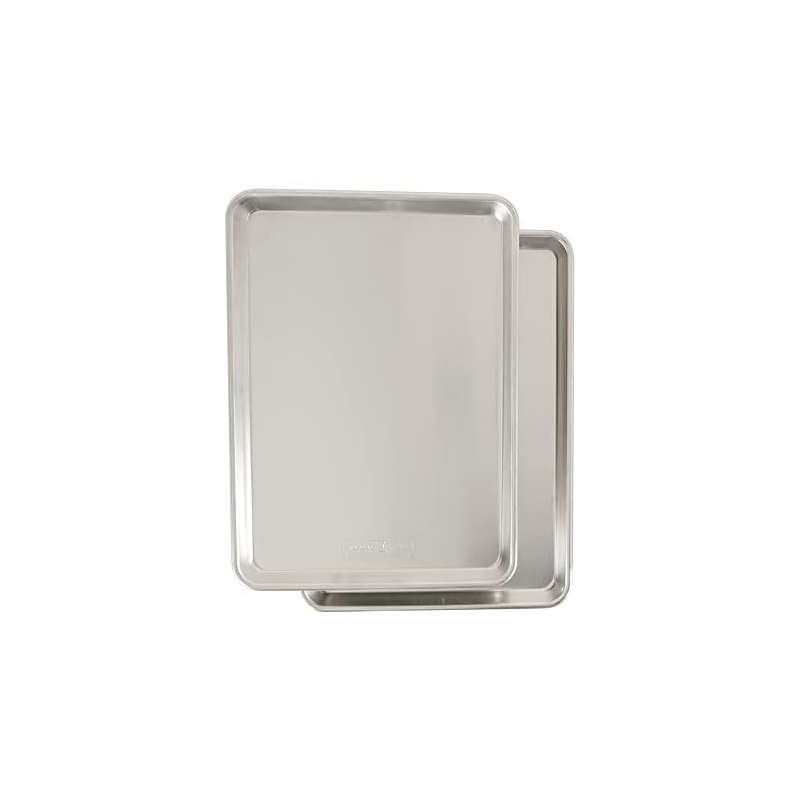
Nordic Ware Naturals Half Sheet Pans, 2-Pack
USA-made aluminum sheet pans for roasting vegetables.
Avocado on a burrito bowl that holds up all week
View this post on Instagram
@dishingouthealth / Instagram
@dishingouthealth builds these burrito bowls on quinoa and black beans. Spice-roasted sweet potatoes go on next, then an avocado pico de gallo and a creamy chipotle-lime tahini sauce. Each bowl packs in about half your daily fiber goal, according to the caption. It’s also made for meal prep, which is half the battle on a busy week.
Avocados are a source of monounsaturated fat, the same kind found in nuts and vegetable oils. Choosing these fats in place of saturated and trans fats is good for your health overall. Monounsaturated fats also help your body develop and maintain its cells.
Look at what else is in that bowl. Tomatoes and red bell pepper are good sources of vitamin C, while the sweet potatoes bring beta-carotene. Black beans add zinc, a mineral your body uses for cell growth and wound healing. That’s a lot of ground covered in one lunch.
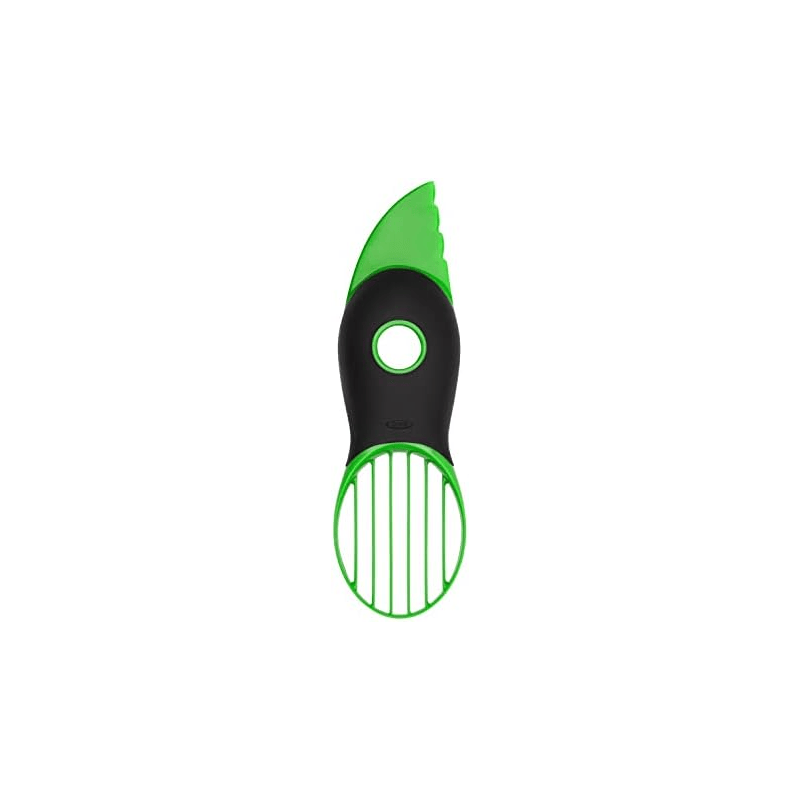
Does cubing avocado always leave a mess on your cutting board? OXO Good Grips 3-in-1 Avocado Slicer splits, pits and slices without a knife. The sauce leans on Soom Foods Organic Tahini, which is silky and easy to stir back together. If you don’t love tahini’s earthy flavor, go lighter on the sauce and add more lime.

Salmon twice a week, no fuss required
View this post on Instagram
@themindfulhapa / Instagram
Over on @themindfulhapa, salmon fillets get seared with Italian seasoning, smoked paprika and a pinch of cayenne. Then the fish is broken over romaine, spinach, arugula, cherry tomatoes, cucumbers and red onion. The dressing blends pepperoncini and their brine with Greek yogurt and olive oil. Bright, salty and a little spicy, it’s a salad that actually fills you up.
Oily fish like salmon, mackerel, trout and sardines are among the best sources of omega-3 fats. Your body can’t make these on its own, so food has to supply them. For reference, the American Heart Association suggests at least two servings of omega-3-rich fish a week, with a serving around 3.5 ounces. Salmon also turns up on the list of foods highest in vitamin A.
Research on omega-3s and skin specifically is still thin, which is why I won’t pretend salmon erases fine lines. What I like is how much one easy protein covers. Your skin uses amino acids from protein for repair, and not getting enough can impair wound healing. Extra protein hasn’t been shown to upgrade skin if you’re already getting enough, so this is about covering your bases, not turning dinner into a collagen side quest.
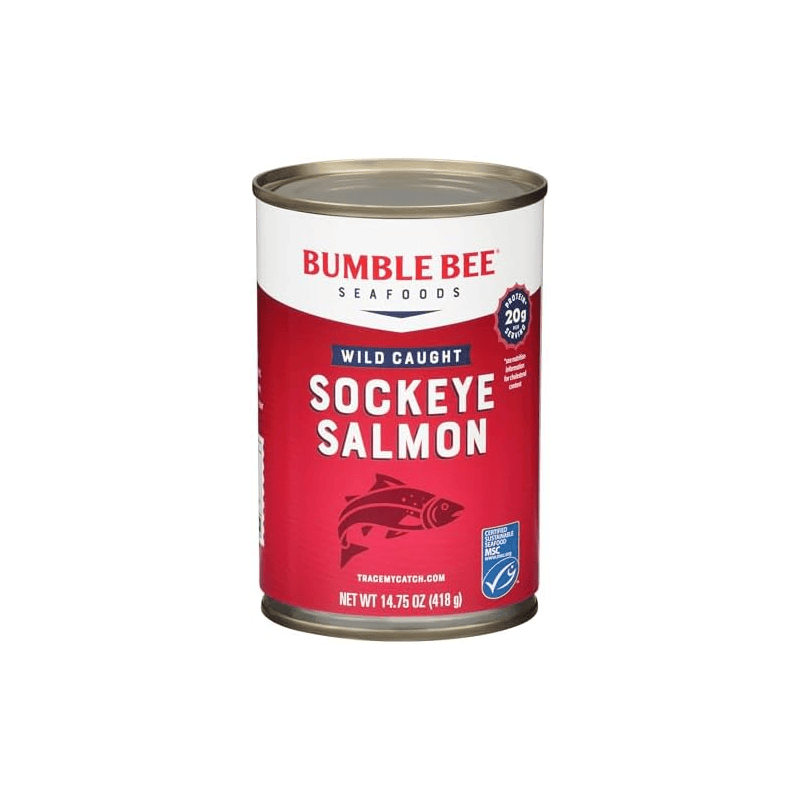
Lodge Pre-Seasoned Cast Iron Skillet, 10.25 Inch gives salmon that browned, crispy edge. Get the pan hot, pat the fish dry and leave it alone for a few minutes before you flip. On nights you can’t face cooking, Bumble Bee Red Sockeye Salmon, 14.75 oz flakes straight onto a salad or toast. Mixing up the fish you eat is an easy way to limit mercury. Anyone pregnant should check which fish to skip.

Strawberries, chia and a little chocolate
View this post on Instagram
@nutritionbykylie / Instagram
Creator @nutritionbykylie whisks milk, cocoa powder, maple syrup, vanilla and chia seeds into a chocolate pudding that sets overnight. Each jar gets topped with diced strawberries, chopped pistachios, sliced almonds and cacao nibs. She likes that strawberries add fiber, vitamin C and antioxidants to something that still feels like a treat. Dessert for breakfast, basically.
Strawberries rank with citrus, kiwi, mango and other berries among the fruits highest in vitamin C. That vitamin helps your body form collagen while also acting as an antioxidant. Since your body doesn’t store it, aim for a little every day.
Vitamin C matters, but it isn’t a collagen volume knob. Once you’re getting enough, more doesn’t mean your body builds extra collagen, because tissues hit a limit and the surplus gets sent out. Think steady daily fruit and peppers, not six oranges because your skin had a rough week.
Fruit is usually better eaten than sipped. Juicing throws away fiber and keeps the fast sugar, so it can land like several pieces of fruit in one quick glass. It can also discard some polyphenol-rich skins, seeds and citrus pith. Smoothies keep the fiber, so we’d pick one over juice, but chewing actual fruit still slows things down more.
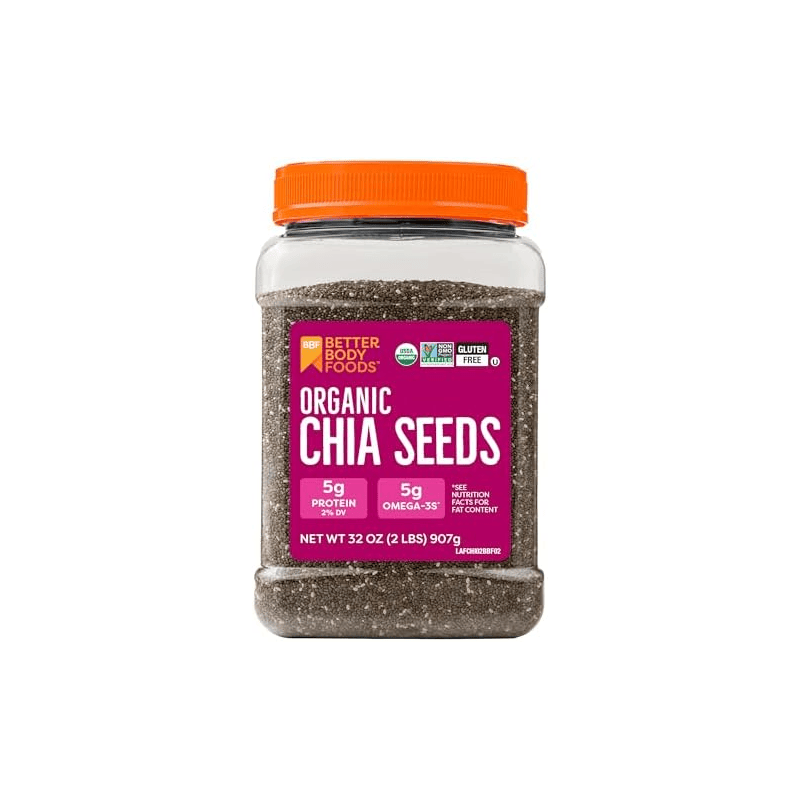
Raw fruit is where vitamin C does best. Cooking, light and long storage can cut the amount, which makes fresh berries on top a smarter move than berries baked into a muffin. Frozen fruit can be a smart backup, especially berries, because freezing preserves vitamin C better than letting fruit sit out too long. Those almonds bring vitamin E, another antioxidant, while BBF Organic Chia Seeds, 32 oz carries the plant form of omega-3.
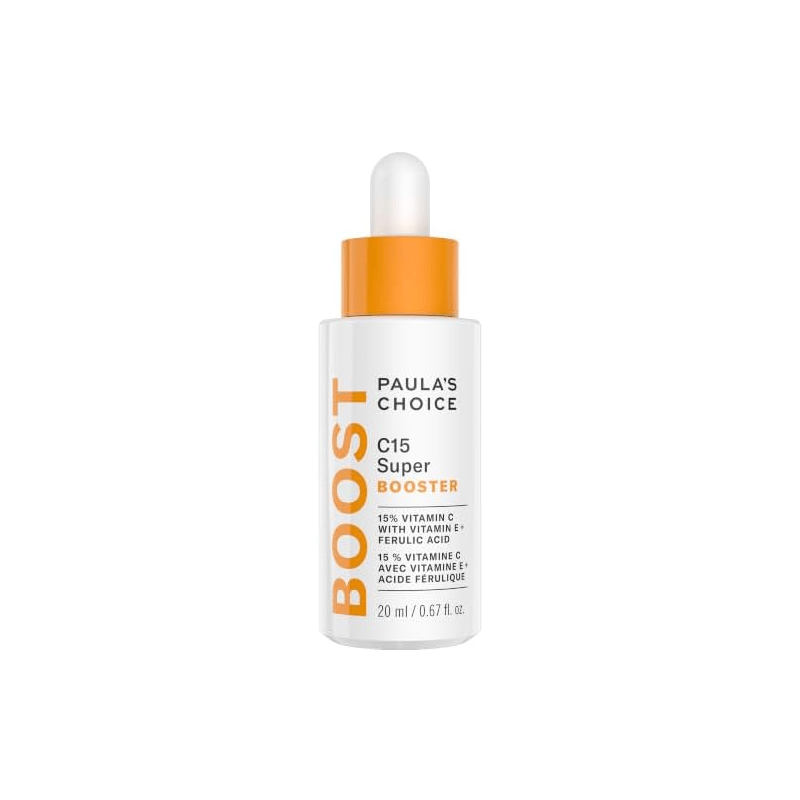
Like vitamin C in your skincare too? A serum works from the outside and doesn’t replace what’s on your plate. Paula’s Choice C15 Super Booster Vitamin C Serum is the splurge here, a 15% vitamin C serum made to visibly brighten dull skin and uneven tone. Sensitive skin may want to start slowly.
Walnuts in a quick bread you'll actually bake
View this post on Instagram
@ambitiouskitchen / Instagram
Ambitious Kitchen (@ambitiouskitchen) turns roasted butternut squash into a maple walnut quick bread with a crunchy walnut streusel. It’s sweetened with pure maple syrup and made tender with yogurt. The caption points out that the squash brings vitamin A and fiber, which makes a slice with your coffee feel a lot less like a splurge.
Walnuts show up on the list of plant sources of omega-3, right next to flaxseed and chia. That plant version is called ALA, while fish gives you the other two kinds, EPA and DHA. Nuts and seeds plus fish is how you get the full range. Nuts are also a good source of zinc.
Squash earns its spot too. Butternut belongs to the hard squash family, which is among the vegetables highest in vitamin C. Orange produce is rich in carotenoids as well. Here’s a handy rule from the National Library of Medicine: the deeper or brighter a fruit or vegetable’s color, the more carotenoids it has.
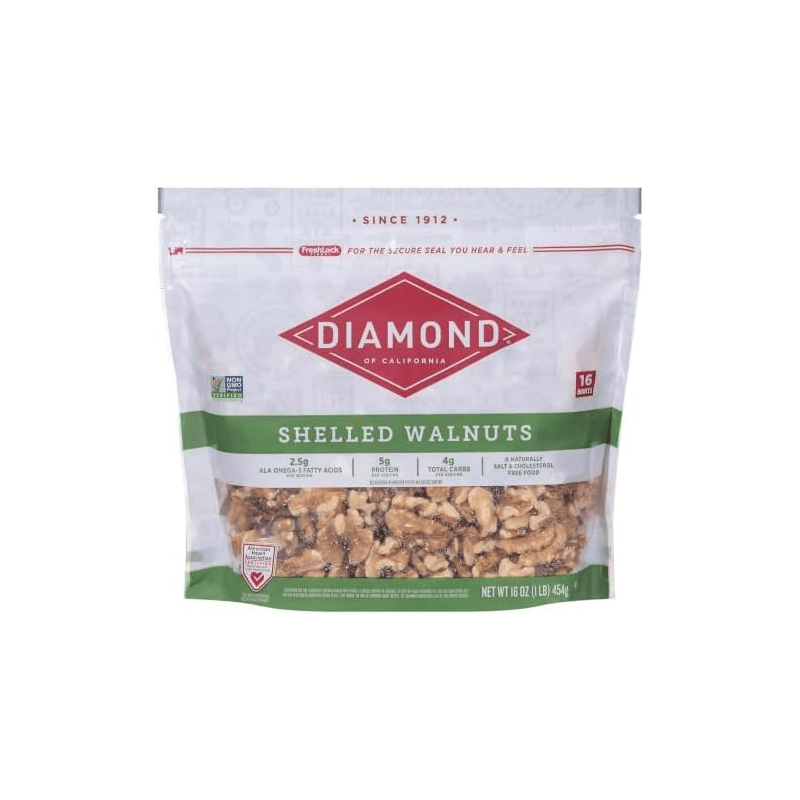
Toast Diamond of California Shelled Walnuts, 16 oz for a few minutes before they go into the streusel and the flavor gets deeper. On their own, a plain handful makes a good snack. USA Pan Seamless Nonstick Loaf Pan helps quick breads release cleanly, with the crunchy top intact.

Every color of pepper in one big bean salad
View this post on Instagram
@healthygirlkitchen / Instagram
Recipe creator @healthygirlkitchen calls this her three bean longevity salad. Kidney beans, black beans and chickpeas share a big bowl with red, orange and green bell peppers. Red onion, shredded kale, fresh dill and marinated artichokes go in too. Olive oil, red wine vinegar, lemon, sumac, garlic and Dijon make the dressing. It feeds six to eight and keeps well for meal prep.
Peppers are one of the vegetables highest in vitamin C. Kale belongs to the dark leafy greens, which bring both vitamin C and carotenoids. Raw, the way this salad serves them, they keep more of their vitamin C than they would cooked.
Beans matter here for a different reason, because they’re a source of zinc. Wounds that are slow to heal are one sign of running low. Zinc from plant foods isn’t absorbed as well as zinc from meat, so keep that in mind if you eat mostly plants. Correcting a shortfall matters, but extra zinc hasn’t been shown to improve skin if you’re already covered.
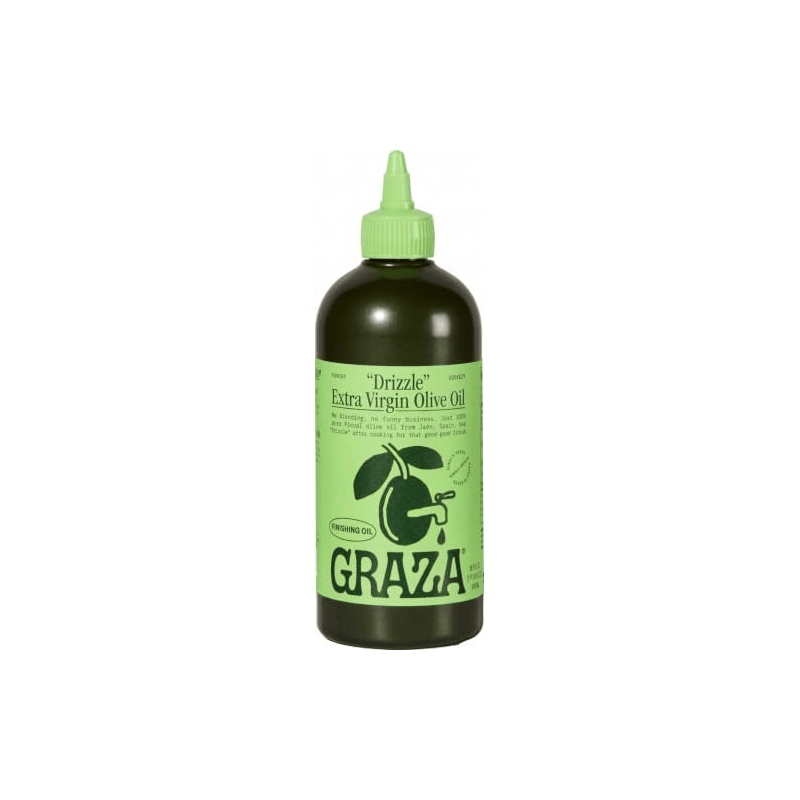
Beans also land on the low-glycemic side, along with most fresh vegetables and steel-cut oats. Small studies suggest a low-glycemic diet may mean fewer breakouts, though other studies found no link. Graza Drizzle Extra Virgin Olive Oil is a bright finishing oil that makes a simple dressing taste like more than it is. Sadaf Ground Sumac adds a tart, lemony note.

Start with two of these recipes and let the rest join as they win you over. Keep the sunscreen going too, since no plate can stand in for it.


