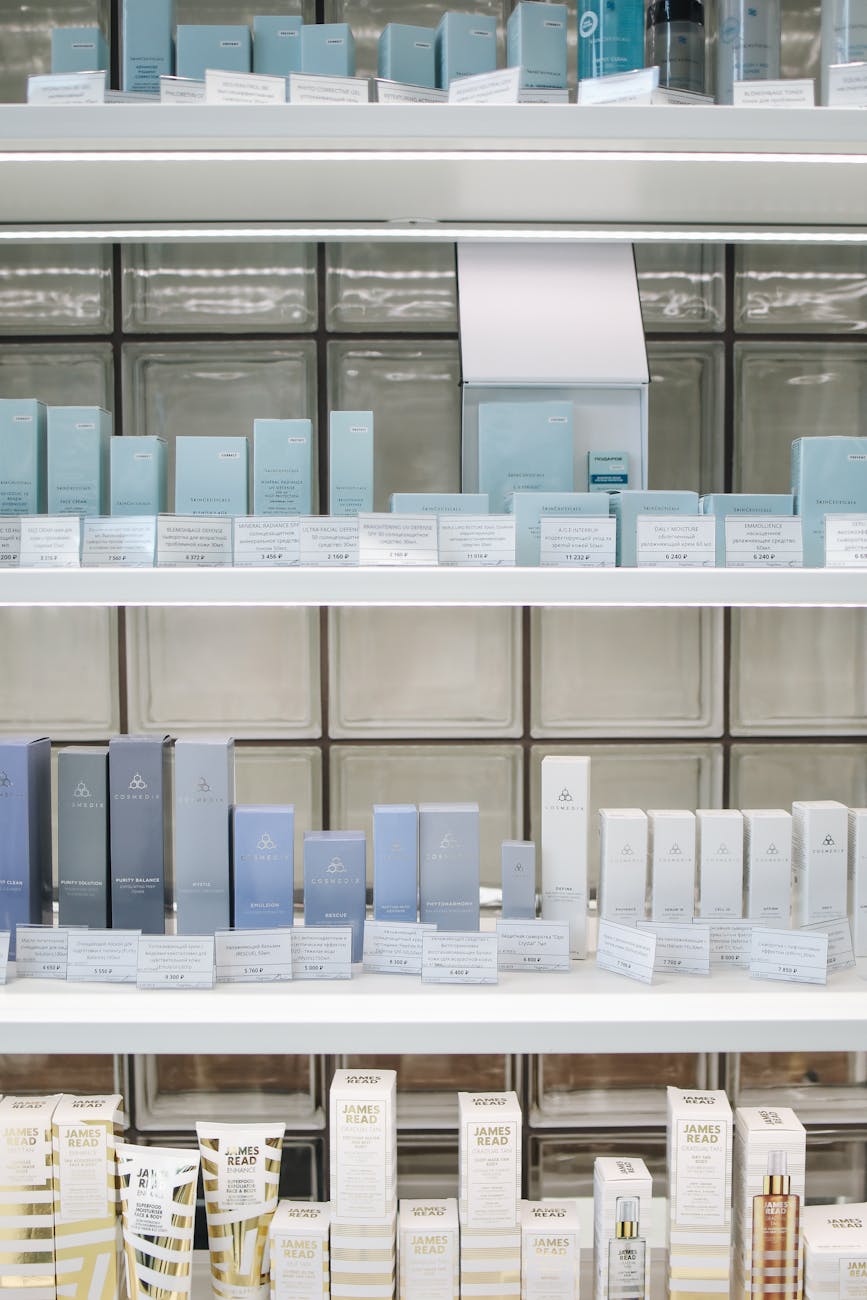
The Clean Beauty Boom—And Why It’s Confusing
Walk down any beauty aisle today and you’ll see words like “clean,” “non-toxic,” “natural,” and “hypoallergenic” plastered on bottles as if they’re official safety guarantees. But here’s the truth: in the U.S., these terms have little to no legal definition. The FDA doesn’t regulate most marketing language in cosmetics unless it crosses into medical claims. That means brands can use feel-good phrases without proving what they mean.
What “Clean” Legally Means (Spoiler: Nothing)
“Clean beauty” is a marketing term, not a regulated category. There’s no government list of ingredients a product must avoid to call itself clean. Every brand makes its own definition based on preference, trend, or branding. Some avoid parabens or sulfates, others avoid hundreds of ingredients, and some avoid almost nothing. Because there’s no unified standard, “clean” can imply safety even when the formula hasn’t been independently vetted.
Why “Non-Toxic” Isn’t What You Think
“Non-toxic” sounds reassuring, but it’s one of the most misleading claims in beauty. No federal agency requires proof that a cosmetic is free of harmful ingredients before using the word. In fact, many ingredients labeled “toxic” online are dose-dependent, meaning they’re safe at cosmetic concentrations. The term plays on fear rather than science, and because it isn’t regulated, brands can use it freely—even when the formula contains allergens or irritants for many people.
The Problem With “Natural” and “Organic”
“Natural” is one of the least trustworthy words on a label. Natural ingredients can be irritating, unstable, or allergenic (think lavender, citrus oils, poison ivy—all natural). The only term with legal weight is “organic,” and that only applies if certified by the USDA. But even then, the rule covers agricultural ingredients, not the safety or effectiveness of the product itself. Natural ≠ safer. Organic ≠ hypoallergenic. But the marketing often suggests otherwise.
“Hypoallergenic” Has No Real Standard
Many consumers believe “hypoallergenic” means “safe for sensitive skin.” But legally, it means nothing. The FDA attempted to define it in the 1970s, but the standard was overturned in court—leaving the term wide open. Brands are not required to test for sensitivity, avoid allergens, or prove reduced risk. A “hypoallergenic” cream can still include fragrance, essential oils, or common irritants. It’s a comfort word, not a safety certification.
Why Brands Keep Using These Buzzwords
These terms work because they make shoppers feel safer and more in control. They also align with cultural shifts toward wellness, purity, and transparency. But with no regulations backing them, they’re often more about branding than evidence. Many brands are honest about their ingredient philosophies, but others use buzzwords to gloss over weak formulas, high prices, or trendy claims. Without universal standards, the responsibility shifts to the consumer.
How to Protect Yourself as a Beauty Consumer
The best defense against misleading claims is learning to read ingredient lists rather than labels. Look for products backed by testing: dermatologist-tested, ophthalmologist-tested, non-comedogenic, fragrance-free, or clinically tested (as long as the brand discloses the methods). Choose brands that publish full ingredient explanations and avoid vague fear-based marketing. And remember: “clean” is subjective, but science isn’t. Evidence—not buzzwords—should guide your routine.
Leave a Reply