
I’ll admit it: I hate how convincing fake skincare has become. The box can look clean, the logo can look right, and the tiny code on the bottom can feel official enough to quiet your brain right before you tap buy.
That’s the annoying part. Counterfeit skincare doesn’t always announce itself with a crooked label or weird font anymore. Sometimes the first real clue is the texture, smell or sting once it’s already on your face.
In the U.S., cosmetics and their ingredients, except color additives, don’t need FDA approval before they’re sold. The companies making and selling them are legally responsible for safety, but a counterfeiter isn’t exactly signing up for that responsibility. U.S. Customs and Border Protection warns that counterfeit goods, including makeup, can be made with substandard materials and may be hazardous to your health.
What Is Counterfeit Skincare?
A dupe and a fake aren’t the same thing. A dupe is a separate product sold under its own name, usually because it gives a similar vibe for less. A counterfeit pretends to be the brand you already trust.
That means the packaging, logo and sometimes even the batch code are copied. The formula inside is the problem. You don’t know if it’s weaker, harsher, contaminated or not even close to what the brand makes.
I don’t think you need to panic over every online order. I do think skincare deserves a little more suspicion than a knockoff accessory, because it’s going on your face, near your eyes and sometimes over irritated skin.
How Can You Spot Fake Skincare Before You Buy?
Start with the seller, not the pretty product photo. If the seller name looks random, has no real history or doesn’t connect back to the brand, I’d pause before buying.
The price matters too. A small discount can be normal. A fancy serum marked way down all the time is a warning sign, especially when the photos don’t match the brand’s own page or the ingredient list looks different.
Reviews can help, but don’t treat them like proof. The FTC has a final rule banning fake reviews and testimonials, including AI-generated ones, plus buying or selling fake followers or views. That still doesn’t make every glowing review real, so check the sold-by line before you check out.
Sunscreen is the riskiest product to buy from a stranger
View this post on Instagram
@bioreus / Instagram
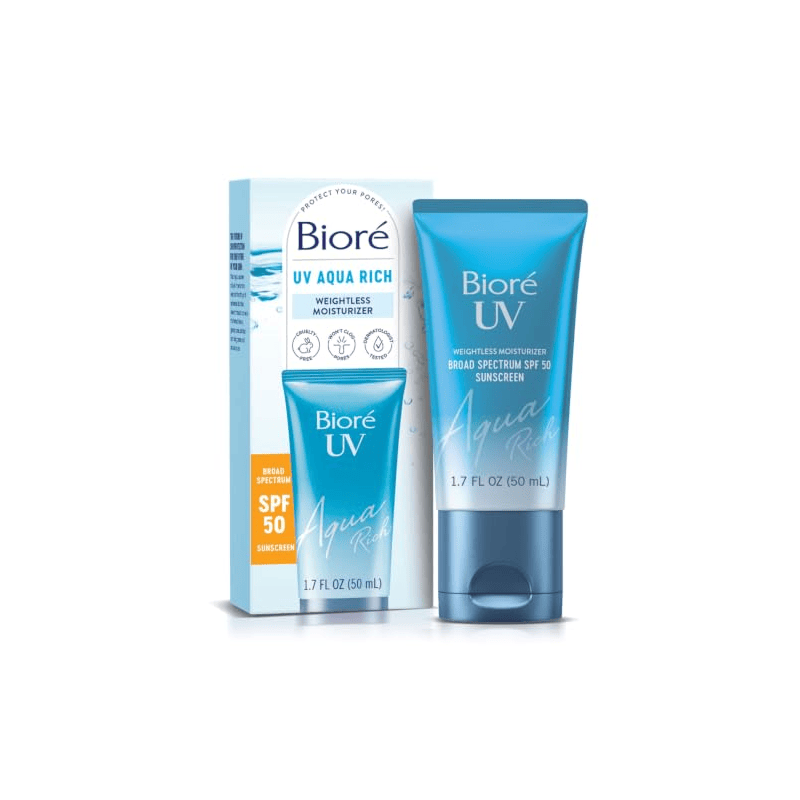
Bioré (@bioreus) calls itself the top-selling SPF brand in Japan by sales, and Bioré UV Aqua Rich Moisturizer SPF 50 is exactly the kind of cult sunscreen people hunt down online. It’s an oil-free facial SPF with hyaluronic acid, no white cast and a fast-absorbing feel that can sit under makeup like a primer.
Sunscreen is where I get the least cute about bargain hunting. In the U.S., the FDA regulates sunscreens as drugs, so they have to meet federal safety and effectiveness standards for nonprescription drugs. SPF mostly measures UVB protection, while “broad spectrum” means the product protects against both UVA and UVB. A fake bottle doesn’t prove any of that.
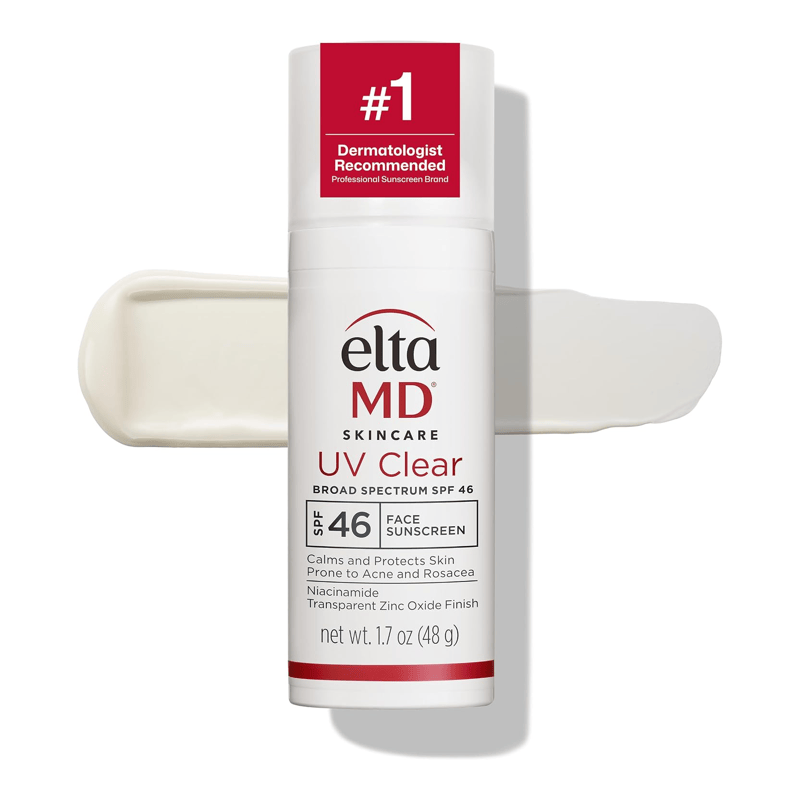
Buy SPF from the brand or a retailer you know, and check the expiration stamp. If there’s no stamp, the FDA says to treat sunscreen as expired three years after purchase. For acne-prone or sensitive skin, EltaMD UV Clear Face Sunscreen SPF 46 is a zinc oxide option with niacinamide in an oil-free formula. If I were choosing purely for a makeup day, the Bioré texture brief is the one I’d lean toward with a crisp white shirt, soft blush and small silver hoops.
A fake retinol is a gamble on what's in the bottle
View this post on Instagram
@theinkeylist / Instagram
The INKEY List (@theinkeylist) built The INKEY List Starter Dual Retinol Serum for people who are new to retinol, with a dual-retinoid complex meant to ease skin in. That gentle-start idea is the whole point, and it’s the first thing you lose when the seller is a mystery.
Over-the-counter retinol labels don’t have to list the retinol percentage, according to the American Academy of Dermatology. The AAD advises choosing the least intense formula you can find, using it every other night at first, putting it on only at night and wearing sunscreen during the day because retinoids can make skin more sun-sensitive.
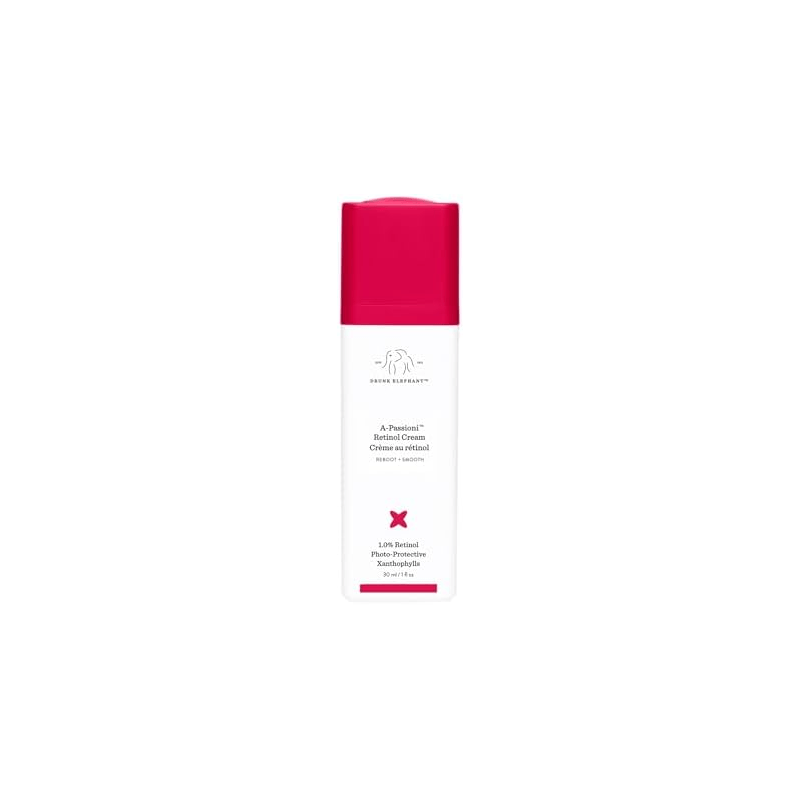
I’d be especially careful here because irritation is the main side effect, and the AAD notes it can trigger dark marks, especially on darker skin. Drunk Elephant A-Passioni Retinol Cream is a richer night-step option with 1% retinol, so it’s another product I’d only buy from the brand or a seller you already recognize.

When the price is doing too much
View this post on Instagram
@theinkeylist / Instagram
The INKEY List (@theinkeylist) is a good reminder that a deal doesn’t mean you need three extras in your cart. The INKEY List Caffeine Eye Cream is the kind of practical restock that makes sense if you already like the category: a lightweight eye cream with caffeine and Matrixyl 3000 peptide for puffiness and dark circles.
Fake sellers tend to leave a pattern. A product that’s marked way down nonstop, a seller with no history, photos that don’t match the brand’s own page or an ingredient list that’s off should make you slow down. One odd thing isn’t always proof. Two or three together is your sign to close the tab.
I’d also read reviews with a little side-eye. If every review sounds generic and says basically the same thing, that’s not helpful. On some sites, reviews sit with the product page instead of the actual seller, so the sold-by line matters more than a wall of praise.
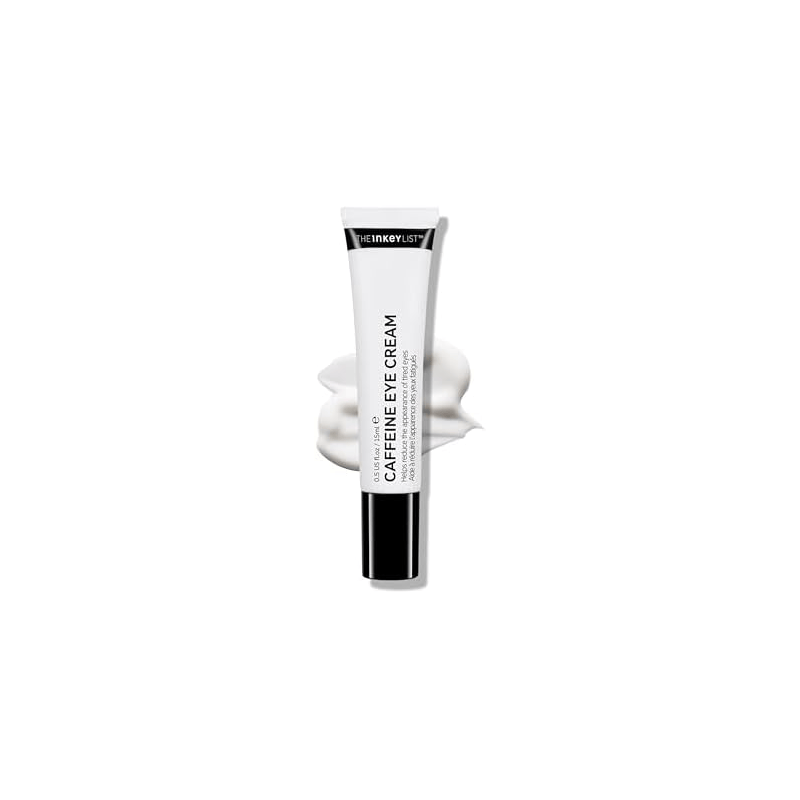
The INKEY List Caffeine Eye Cream
A lightweight eye cream with caffeine and peptides for puffiness and dark circles.
Shop the brand or a retailer it names
View this post on Instagram
@drdennisgross / Instagram
Dr. Dennis Gross Skincare (@drdennisgross) points shoppers to its own site and to Sephora, a retailer it names, which is the cleanest shopping habit in this whole conversation. Buy from the brand, an authorized retailer or a seller the brand lists. U.S. Customs and Border Protection gives the same advice: shop reputable sources and buy from retailers you trust.
The stakes aren’t theoretical. In a UK investigation, Trading Standards tested 50 seized counterfeit cosmetics and 20 failed on safety grounds. They found high lead levels in fake lipsticks, eyeshadows and contour products, mercury in a skin lightening cream and roughly 80% methanol in a fake fragrance.
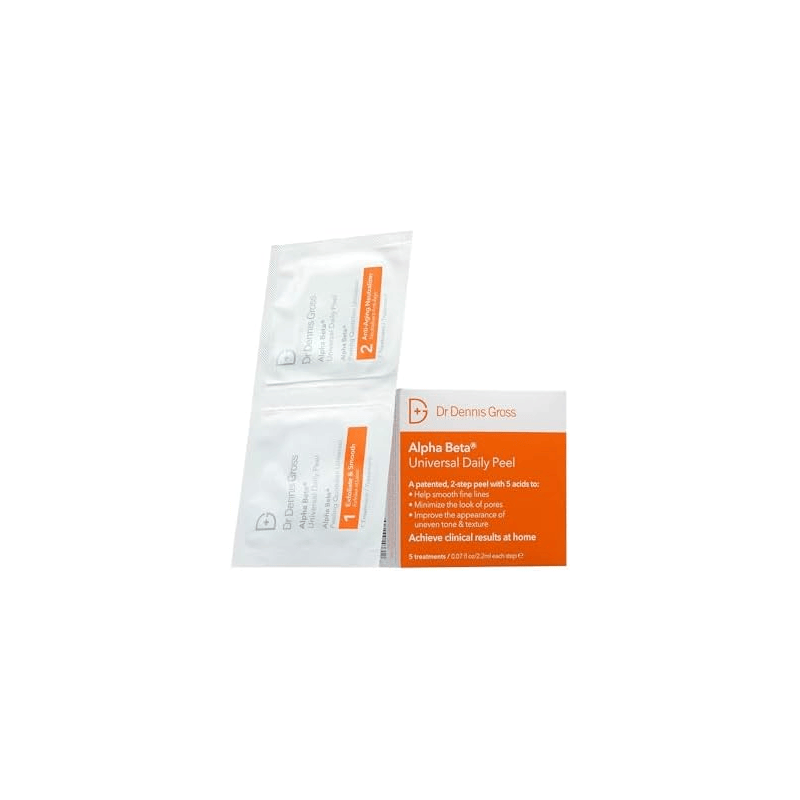
Pricey tools and strong actives are the products I’d be most protective about. Dr. Dennis Gross DRx SpectraLite FaceWare Pro is a red and blue LED mask for wrinkles and breakouts, while Dr. Dennis Gross Alpha Beta Universal Daily Peel is a two-step AHA and BHA peel pad system for daily exfoliation. Those belong in the brand-only lane.
When your order arrives, check that the batch code on the box matches the container and doesn’t smear. Tight shrink wrap with neat folds is normal, while baggy wrap, a front seam or a foil seal that lifts like loose paper is a red flag. If something stings, burns or causes a reaction, the FDA says to stop using it, contact your healthcare provider and report it through MedWatch online or by calling 1-888-SAFEFOOD and choosing option 4.

Counterfeit skincare is sneaky, but your shopping habits don’t have to be dramatic. Buy from the brand, trust the seller before the discount and let your face skip the mystery bottle.


