
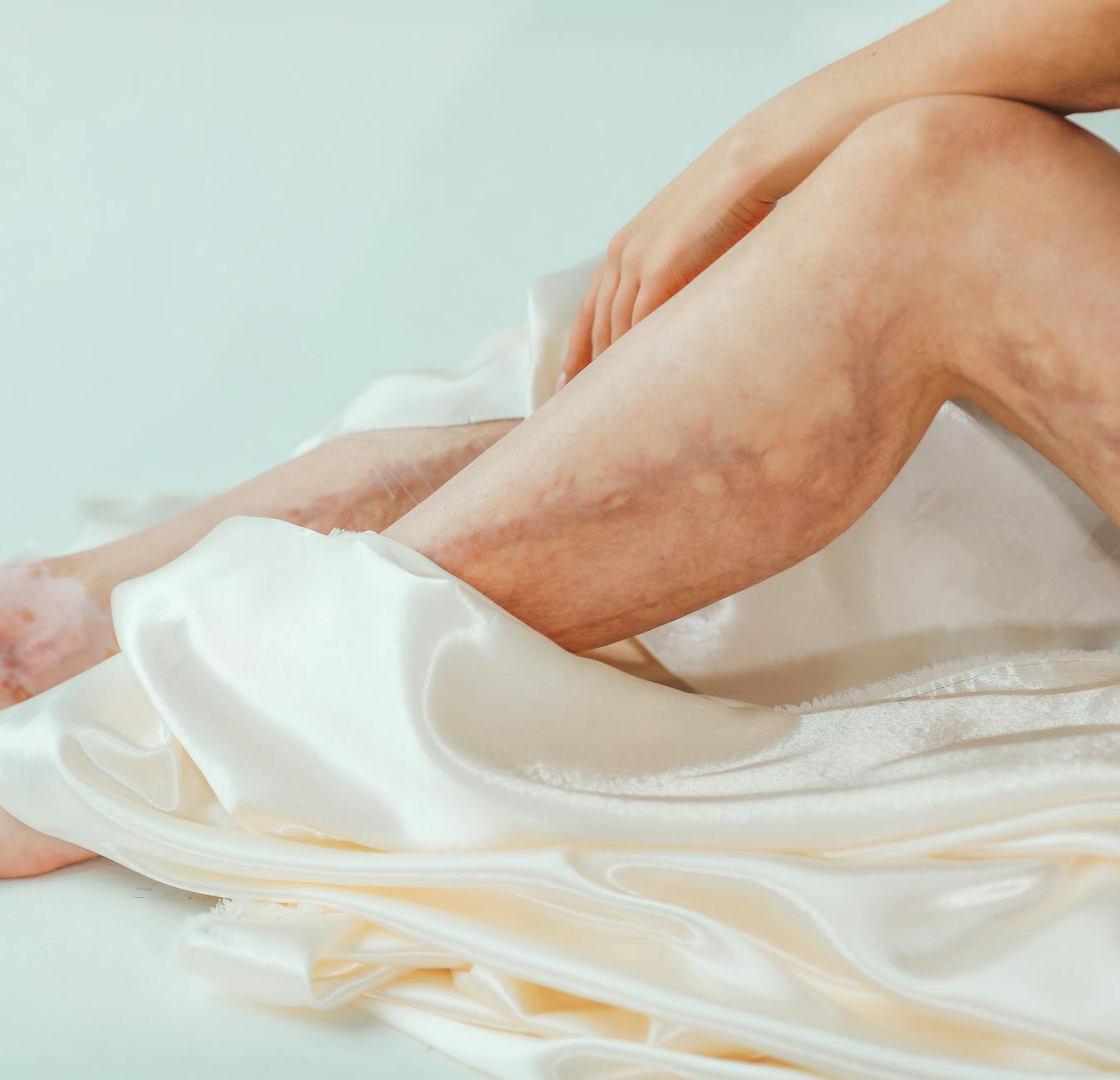
What Exactly Are Varicose Veins?
Varicose veins are enlarged, twisted veins—most often in the legs—caused by weakened vein walls and malfunctioning valves. When blood can’t flow efficiently upward toward the heart, it pools in the veins, causing bulging, discomfort, heaviness, or visible purple-blue lines. While they’re incredibly common, especially among women, they can range from simply a cosmetic frustration to a source of aching, swelling, or restlessness in the legs.
Why Women Are More Likely to Get Them
Women experience varicose veins more often due to hormonal shifts, pregnancy, birth control, and genetic predisposition. Estrogen and progesterone can relax vein walls, making blood flow less efficient. Pregnancy also increases blood volume and puts extra pressure on leg veins. Add aging, standing jobs, long commutes, and family history—and the risk compounds. Understanding these patterns helps explain why varicose veins show up even in younger women.
Are Varicose Veins Preventable?
Some factors—like genetics, hormones, and pregnancy—aren’t fully preventable. However, there are ways to reduce risk and delay progression. Regular movement improves circulation, especially walking, calf raises, and avoiding long periods of sitting or standing. Maintaining a healthy weight, avoiding super-tight clothing, elevating legs when possible, and wearing compression socks can also help. Prevention isn’t perfect, but lifestyle habits can make a meaningful difference.
Everyday Habits That Support Vein Health
Simple shifts can support healthier veins: stretching throughout the day, avoiding crossing your legs for long periods, drinking plenty of water, and staying active. Low-impact exercise—walking, yoga, Pilates, cycling—strengthens the calf muscles, which act like pumps pushing blood upward. Wearing supportive shoes can also lessen the pressure on leg veins. None of these guarantee prevention, but they promote healthier circulation overall.
When Varicose Veins Become Uncomfortable
While many people experience varicose veins without pain, others notice aching, itching, swelling, or a heavy feeling in the legs. Symptoms often worsen after standing all day or during warmer weather. Skin around the veins can become sensitive or dry. These discomforts are common and don’t necessarily signal danger, but they are important indicators that your circulation could use support or that it may be time to explore treatment options.

Treatment Options: From At-Home Care to In-Office Fixes
There are multiple ways to treat varicose veins, depending on severity. At-home measures like compression stockings, leg elevation, and daily movement reduce swelling and discomfort. For more visible or painful veins, minimally invasive treatments like sclerotherapy, laser therapy, or radiofrequency ablation can close off problem veins and redirect blood flow. These procedures are fast, safe, and require little downtime. Many women choose them for both comfort and cosmetic reasons.
When to Talk to a Doctor
If varicose veins cause consistent pain, swelling, discoloration, or skin changes, it’s worth discussing with a dermatologist or vascular specialist. Some symptoms can indicate chronic venous insufficiency, which benefits from early intervention. Even if it’s mostly cosmetic, a consultation can help you understand your options and avoid long-term complications. There’s no shame in seeking care—vein health is a real medical concern, not just something to “live with.”
Final Thoughts
Varicose veins are incredibly common—and definitely not a failure on your part. Genetics, hormones, lifestyle, and aging all play a role. While they’re not always preventable, you can support your circulation through daily habits and explore effective treatments if they bother you. A combination of awareness, movement, and modern medical care can help you feel more comfortable in your skin—literally and figuratively.
As an Amazon Associate, I earn from qualifying purchases – at no cost to you!
Leave a Reply