
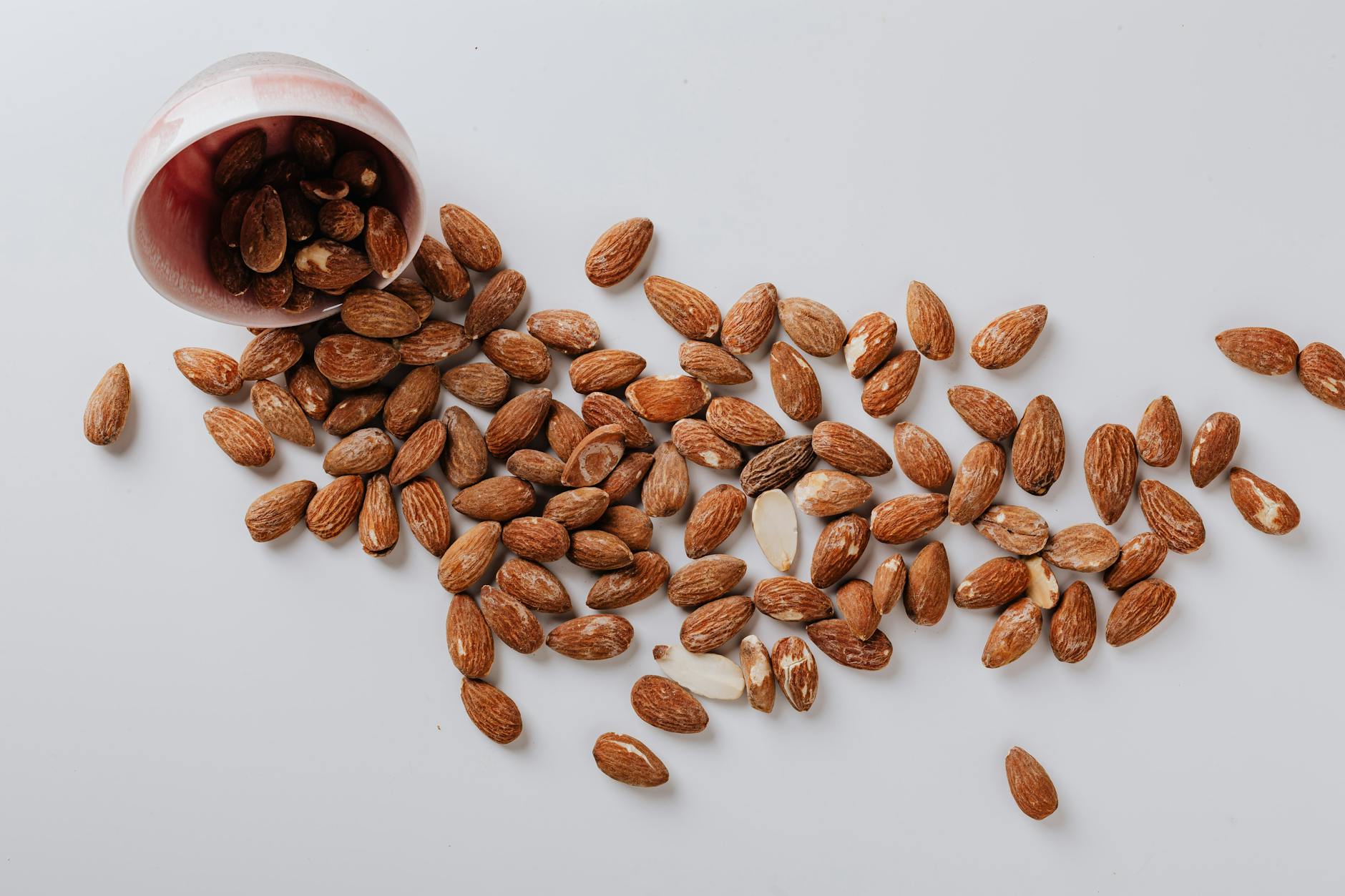
Mandelic acid has quietly become a favorite among dermatologists, estheticians, and skincare lovers who want results without irritation. Derived from bitter almonds, mandelic acid is an AHA that’s larger and slower-penetrating than glycolic or lactic acid—making it ideal for sensitive, acne-prone, or easily inflamed skin. It exfoliates, brightens, and smooths, but in a way that feels measured and controlled rather than aggressive. In a world obsessed with powerful peels and intense resurfacing, mandelic acid offers something better: steady, reliable progress and healthier, calmer skin.
What Mandelic Acid Actually Does
Mandelic acid gently dissolves dead skin cells on the surface, helping improve texture, brighten tone, and unclog pores. Because it penetrates slowly, it exfoliates without the sharp sting or redness associated with stronger AHAs. It also has antibacterial properties that make it especially helpful for acne-prone skin. The result is a smoother, more refined complexion with noticeably less irritation than you’d expect from a chemical exfoliant.

Why It’s Ideal for Sensitive and Reactive Skin
If stronger acids have left your skin burning, peeling, or inflamed, mandelic acid offers a softer alternative. Its larger molecular size prevents it from diving too deeply too fast, which reduces the likelihood of irritation. It’s the kind of exfoliant that respects your barrier rather than overwhelming it. Many people who can’t tolerate glycolic acid find mandelic to be the perfect middle ground—effective but gentle, present but not punishing.
Benefits for Acne-Prone and Congested Skin
Mandelic acid’s antibacterial properties make it uniquely effective for those dealing with breakouts. It helps keep pores clear, reduces surface oil, and minimizes the appearance of post-inflammatory hyperpigmentation. Because it’s less irritating, it won’t trigger the inflammation cycle that often worsens acne. Over time, mandelic acid supports clearer, calmer, and more balanced skin—without the harsh rebound that stronger acids can create.
A Powerful Option for Fading Hyperpigmentation
Mandelic acid is especially popular in routines aimed at reducing dark spots, uneven tone, and melasma. Its exfoliating action helps lift surface pigment, while its gentleness allows for consistent use—key when treating stubborn discoloration. It pairs well with other brightening ingredients and is less likely to trigger irritation that can deepen pigmentation. Think of it as the slow-and-steady brightening acid that prioritizes long-term improvement over dramatic, risky results.
How Mandelic Acid Strengthens Overall Skin Tone
Beyond brightening and exfoliating, mandelic acid supports a smoother, more even complexion by encouraging cell turnover at a controlled pace. This leads to fewer rough patches, less congestion around the nose and chin, and a general clarity that builds with time. Because it doesn’t compromise the barrier as aggressively as stronger acids, your skin maintains more hydration and resilience—producing that soft, naturally radiant finish.
How to Use Mandelic Acid Without Overdoing It
Start with a low concentration—typically 5% to 10%—and apply it a few times a week. Over time, you can increase frequency or strength based on tolerance. Mandelic acid plays well with most skincare routines, but be cautious when pairing it with retinoids or strong vitamin C until your skin adjusts. As always, sunscreen is essential: any exfoliant increases photosensitivity, and protecting your skin ensures you actually see the brightening benefits you’re working toward.
Who Should Skip or Modify Mandelic Acid
While mandelic acid is gentle, those with extremely compromised barriers, active eczema, or severe rosacea should introduce it slowly or seek professional guidance. Pregnant or breastfeeding individuals should check with their provider before starting new acids. Mandelic acid is one of the safer exfoliants available, but like anything in skincare, it performs best when used thoughtfully and matched to your skin’s needs.
A Gentle Acid With Serious Results
Mandelic acid proves that exfoliation doesn’t need to be intense to be effective. It smooths, brightens, clears, and refines, all while keeping the skin calm and supported. Whether you’re new to acids, recovering from barrier damage, or simply looking for a more balanced approach to exfoliation, mandelic acid offers consistent, reliable results. It’s the quiet achiever of skincare—subtle, steady, and surprisingly transformative.
This post is for informational purposes only and isn’t a substitute for professional medical guidance. As an Amazon Associate, I earn from qualifying purchases – at no cost to you!
Leave a Reply