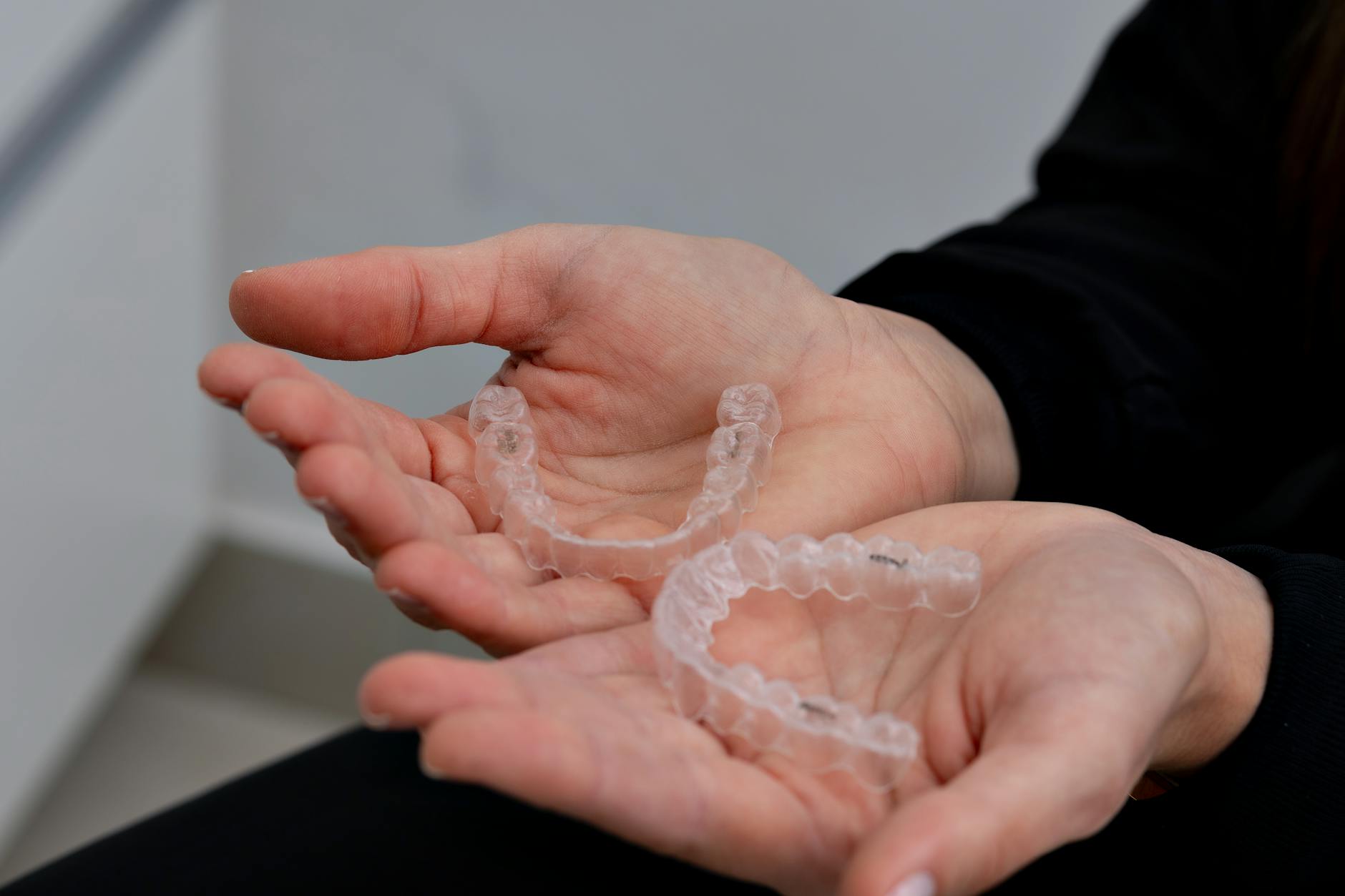
Clear retainers are supposed to keep your smile in place—but they also collect bacteria, plaque, odor, mineral buildup, and whatever you ate for lunch if you’re not careful. Most people rinse them quickly, maybe brush them, and call it good. But a retainer sits in your mouth for hours, pressed against your teeth and gums, so hygiene actually matters more than you think. The question isn’t “Do you clean your retainer?”—it’s “Are you cleaning it well enough to protect your oral health?”
Why Clear Retainers Get Dirty So Easily
Retainers are made from porous plastics that attract plaque, bacteria, and biofilm the same way your teeth do. Every time you take a sip of coffee or eat something sugary, residue can cling to the surface. Warm environments—like your mouth—are perfect for bacterial growth. Even if the retainer looks clean, microscopic debris can still be trapped in tiny grooves. This buildup doesn’t just smell bad; it can irritate gums, discolor teeth, and cause breakouts along the chin and jawline.

The Rinse-and-Go Method Isn’t Enough
Most people rinse their retainer under warm water and move on with their day. But water alone doesn’t remove plaque or kill bacteria. If your cleaning routine takes less than 20 seconds, you’re not actually cleaning anything—you’re just moving debris around. Retainers need consistent, intentional care just like your teeth. Skipping proper cleaning allows biofilm to harden, turning into a cloudy film that’s much harder to remove later.
Brushing Helps—but Only If Done Correctly
A soft toothbrush can help remove surface buildup, but brushing aggressively can scratch the plastic. Those micro-scratches become perfect hiding places for bacteria and odors. Using toothpaste is also risky—many formulas are abrasive enough to damage the retainer’s smooth surface. The ideal approach is gentle brushing with mild soap or a non-abrasive cleanser, followed by a thorough rinse. It’s simple, but it makes a massive difference in long-term clarity and hygiene.
Soaking Solutions Actually Do the Heavy Lifting
Daily or weekly soaks break down biofilm in ways brushing can’t. Retainer-cleaning tablets, ultrasonic cleaners, and dentist-approved solutions lift debris from crevices and kill odor-causing bacteria. If your retainer smells, looks cloudy, or tastes “off,” it’s a sign you need a real soak. These solutions remove plaque without damaging the plastic, turning deep cleaning into a hands-off, low-effort ritual that keeps your retainer clear and fresh.
What Happens When You Don’t Clean Your Retainer Well Enough
A dirty retainer can cause more than bad breath. Bacteria can irritate your gums, trigger inflammation, and contribute to cavities. For some people, dirty retainers cause acne around the chin and mouth from constant microbial exposure. Stains from coffee, wine, or tea can embed permanently if not removed early. Worst case: your retainer warps or degrades faster, meaning an expensive replacement. Hygiene isn’t just cosmetic—it’s preventative care.
Hard Water and Regional Water Quality Matter
If you live in a region with hard water, mineral deposits can form on your retainer even when you clean it. This creates a chalky film that traps bacteria and dulls the clarity. Areas with high chlorine levels can also discolor retainers or weaken the plastic over time. Depending on your location, you may need filtered water for soaking or more frequent deep cleans. Water quality doesn’t just affect your skin and hair—it affects your dental appliances too.
How to Know If Your Cleaning Routine Is Working
Your retainer should look clear, smell neutral, and feel smooth. If it’s cloudy, textured, or has a film you can feel with your fingernail, it’s not clean. If you notice gum irritation, new bad breath, or a sour taste, it’s time to upgrade your routine. Consistency is everything—a few minutes of care each day keeps buildup away and prolongs the life of your retainer. A clean retainer should feel invisible, not noticeable.
A Clean Retainer Supports Your Whole Routine
Clear retainers aren’t just orthodontic tools—they’re part of your daily wellness loop. When they’re clean, everything else works better: your breath, your gums, your confidence. Good hygiene doesn’t require perfection, just consistency. A small shift in how you clean your retainer can prevent irritation, protect your enamel, and support the results you worked so hard for. It’s a tiny habit that pays off every single day.
This post is for informational purposes only and isn’t a substitute for professional medical guidance. As an Amazon Associate, I earn from qualifying purchases – at no cost to you!
Leave a Reply