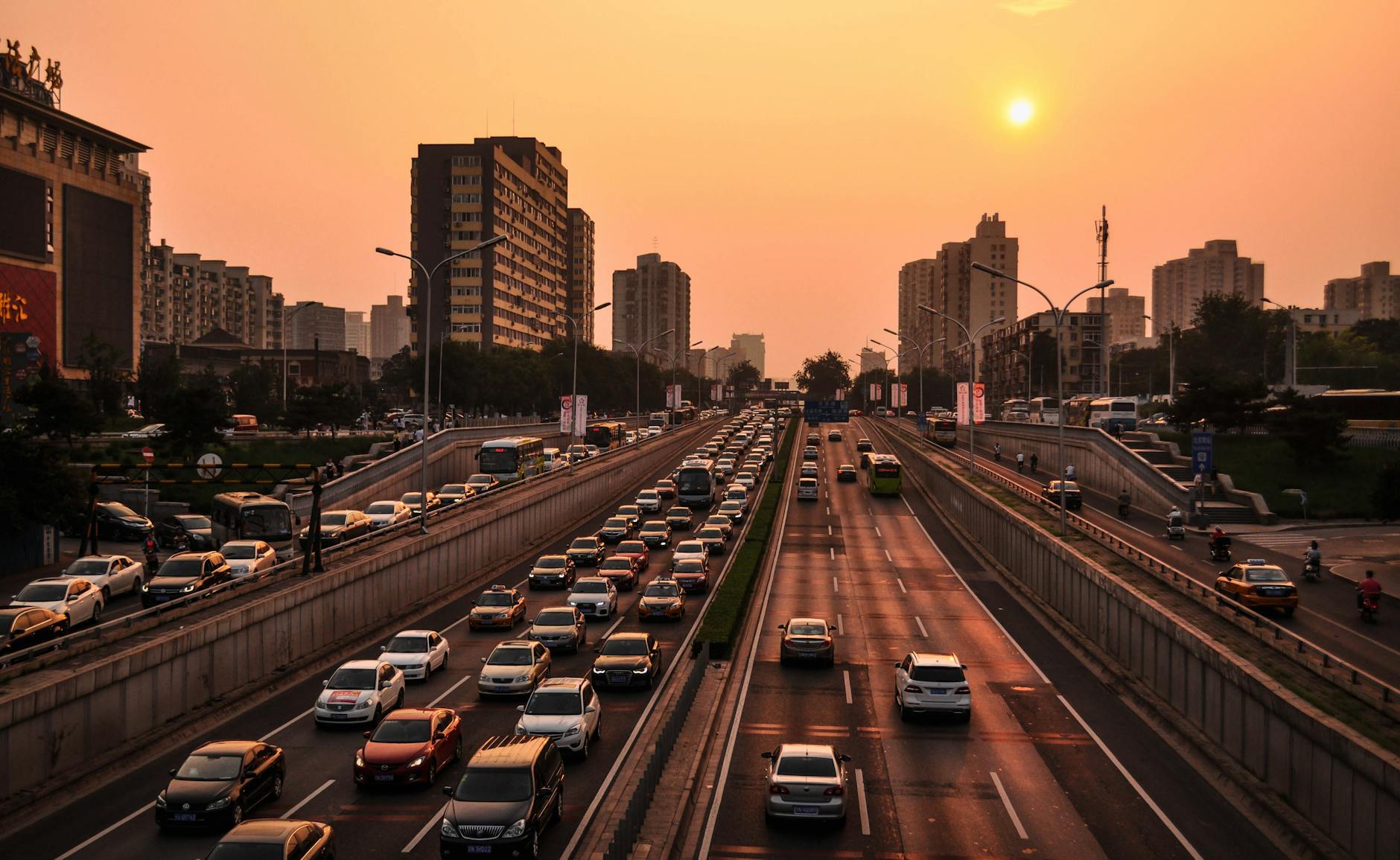
Urban life comes with energy, opportunity, and constant stimulation — but it also comes with something less glamorous: pollution. For those of us living in cities or suburban areas affected by wildfire smoke, traffic emissions, and industrial byproducts, air quality has become a silent threat to skin health. Pollution doesn’t announce itself; it settles invisibly onto our skin, disrupts our barrier, and accelerates aging long before we notice the impact. Understanding how pollution harms the skin — and how to defend against it — has become a modern skincare necessity.
The Invisible Assault Happening on Your Skin
Pollution is made of microscopic particles so small they slip past the skin’s natural defenses. These particles mix with airborne toxins and gases, clinging to the surface of the skin and pushing deeper into pores. Once inside, they disrupt barrier function, increase water loss, inflame sensitive areas, and trigger breakouts. Free radicals generated by pollution attack collagen and elastin, weakening the skin’s structure and accelerating fine lines, dullness, and uneven texture. The damage is subtle at first — but cumulative and significant over time.

Why Urban Skin Ages Faster
Studies now show that people living in polluted cities experience more hyperpigmentation, earlier wrinkles, and increased dryness compared to those in cleaner environments. Constant exposure to pollution means the skin is always fighting — repairing DNA damage, neutralizing free radicals, and patching a compromised barrier. And when UV radiation is layered on top of pollution exposure (which is nearly unavoidable outdoors), the oxidative stress multiplies. Our aging skin skin, already navigating stress, dehydration, and lifestyle burnout, is particularly vulnerable.
Antioxidants: Your Skin’s Urban Armor
Antioxidants neutralize pollution-generated free radicals before they can harm skin cells, making them essential for daily protection. Vitamin C brightens and shields; vitamin E strengthens the barrier; niacinamide calms inflammation; resveratrol and green tea offer deeper antioxidant backup. For millennials, pairing antioxidants with a diet rich in berries, nuts, leafy greens, and colorful vegetables strengthens the skin from within. Skincare doesn’t work alone — your diet is part of your protection strategy.
Cleansing With Intention, Not Aggression
Pollution particles cling to the skin, so removing them thoroughly — but gently — is key. A double cleanse at night dissolves sunscreen, oil, sweat, and pollutants without stripping or compromising the barrier. Start with an oil cleanser to melt buildup, then follow with a gel or cream cleanser to lift away residue. Over-cleansing weakens the barrier, so choose formulas that maintain skin balance instead of harsh scrubs or drying foams. Clean skin is protected skin.
Rebuilding the Barrier You Didn’t Know Was Breaking
Your skin barrier is your first line of defense against pollution, and strengthening it must be a daily habit. Ceramides replenish depleted lipids; hyaluronic acid restores hydration; peptides support structural integrity; and niacinamide improves resilience. A strong barrier traps moisture, limits inflammation, and reduces pollutant penetration. In 2025, “barrier health” has become the core of preventative skincare — and pollution defense begins here.
SPF: Still the Most Important Step
Pollution and UV radiation amplify each other’s damage, making sunscreen essential even on cloudy or non-outdoor days. Broad-spectrum SPF 30+ shields against both UVA (aging) and UVB (burning), preventing pollution-triggered hyperpigmentation and premature wrinkles. For urban living, SPF isn’t optional — it’s your daily shield against environmental stressors you can’t see.
Detoxifying Treatments for a Deeper Reset
Weekly treatments help the skin recover from environmental stress. Charcoal and clay masks draw out embedded impurities, while algae and antioxidant-rich serums replenish minerals and shield against oxidative stress. These detoxifying rituals don’t “erase” pollution, but they give the skin space to breathe, repair, and return to a balanced baseline — essential for maintaining glow in polluted environments.
Lifestyle Shifts That Support Clearer, Stronger Skin
Small shifts make a big difference:
– Check air quality indexes and limit outdoor exposure on high-pollution days.
– Use an indoor air purifier to reduce airborne toxins that contribute to breakouts and dullness.
– Stay hydrated to support detoxification and barrier repair.
– Prioritize sleep, which allows the skin to perform its natural nightly repair processes.
Environmental wellness supports skin wellness — they can’t be separated.
Why Understanding Pollution Protection Matters
Pollution isn’t disappearing anytime soon. Wildfire seasons are longer, cities are growing denser, and air quality fluctuations are part of modern life. For millennials committed to long-term skin health, pollution defense isn’t fear-driven — it’s informed, proactive, and empowering. With the right tools and routines, you can minimize damage, strengthen resilience, and preserve your skin’s glow despite environmental challenges.
This post is for informational purposes only and isn’t a substitute for professional medical guidance. As an Amazon Associate, I earn from qualifying purchases – at no cost to you!
Leave a Reply