
You know that very annoying moment when you come inside thinking you’re fine, then your shoulders start feeling hot halfway through dinner? By bedtime, your shirt feels rude and your skin suddenly has opinions.
A sunburn happens when sun exposure outpaces melanin’s ability to protect your skin, per MedlinePlus. The tricky part is the delay: signs can take a few hours to show up, the full effect may take 24 hours or longer, and pain is usually worst between 6 and 48 hours after exposure.
The Skin Cancer Foundation describes sunburn as an inflammatory response to UV damage in the skin’s outer layers. Even a mild burn causes DNA damage to skin cells, and peeling a few days later is your body clearing out damaged cells. Most sunburns get better within seven days, according to the NHS.
Why Does a Sunburn Turn Red Hours Later?
The redness isn’t your skin instantly getting cooked. It’s inflammation catching up. UV exposure damages skin cells, then your body sends more blood and immune activity to the area, which is why the color, heat and tight feeling can show up after you’ve already gone inside.
That delay is why I don’t trust the mirror as a sun-safety plan. If you’ve been outside for a while, your skin may already be dealing with UV damage before it looks pink, red or sore.
White skin often turns pink or red, while black or brown skin may show very little color change, according to the NHS. A burn can still hurt, peel and damage skin, even when the color shift is hard to spot.
How Does Skin Heal After a Sunburn?
Skin heals by calming the inflammation and getting rid of cells that were too damaged to keep. That’s where peeling comes in. It’s not just dryness, and it’s definitely not an invitation to pull at your skin.
Moisturizer won’t undo the burn, but it can help your skin feel less tight and itchy while it heals. I think of it as making the recovery less miserable, not as a reset button.
A tan afterward isn’t proof that your skin bounced back stronger. The Skin Cancer Foundation calls a tan evidence of DNA injury, and tanning gives roughly SPF 3 or less. The AAD’s stance is simple: there’s no safe way to tan, and self-tanner plus sunscreen is the better route.
Every skin tone can burn
View this post on Instagram
@larocheposay / Instagram
La Roche-Posay (@larocheposay) shares Ugoeze’s story about growing up believing darker skin didn’t need sun protection, and I think a lot of people heard some version of that. The problem is that sun damage doesn’t care how common the myth is.
The NHS notes that sunburn can be easy to miss on black or brown skin because there may be little visible color change. That doesn’t mean nothing happened. Pain, peeling and skin damage can still happen.
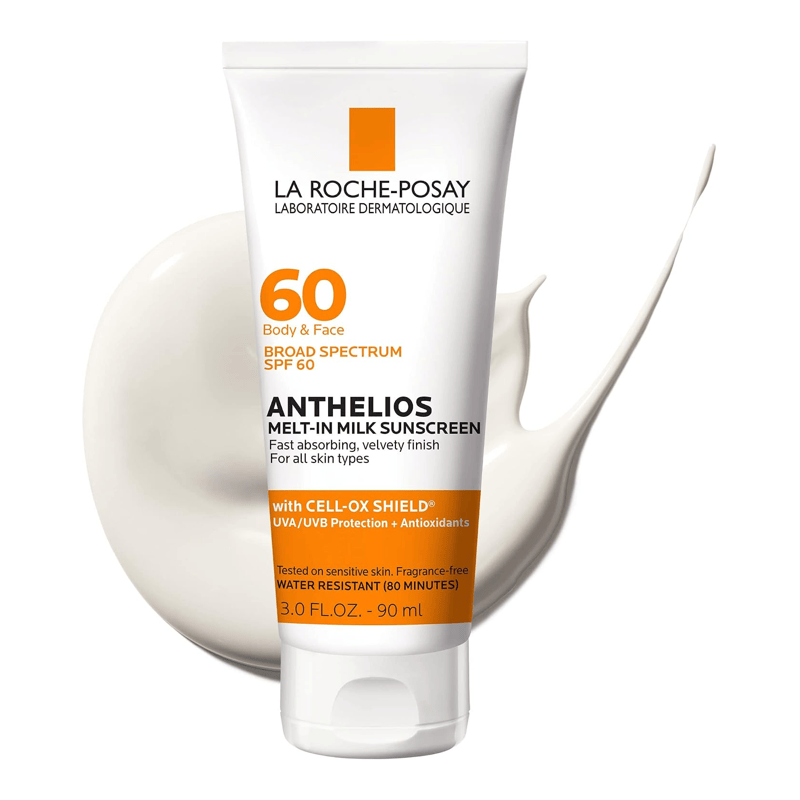
A base tan isn’t a safety net either. The Skin Cancer Foundation says five or more sunburns more than doubles melanoma risk, so I’d rather skip the pre-trip tanning logic completely. La Roche-Posay Anthelios Melt-in Milk SPF 60 is a broad-spectrum sunscreen for face and body if you want one bottle that covers the practical basics.
The sunscreen habits that prevent the next burn
View this post on Instagram
@drmarisagarshick / Instagram
Dr. Marisa Garshick, MD, FAAD (@drmarisagarshick), highlights La Roche-Posay Anthelios UVDefense SPF 50, a lightweight, milky face sunscreen with bemotrizinol, also called BEMT. If face sunscreen usually feels too heavy under makeup, a milky texture is the lane I’d look at first.
The AAD recommends broad-spectrum, water-resistant sunscreen with SPF 30 or higher. SPF 30 blocks 97% of UVB rays, but water-resistant doesn’t mean waterproof. It lasts 40 or 80 minutes, depending on the label.
Use enough to matter: about one ounce, roughly a shot glass, for exposed skin on the body and at least a teaspoon for the face. Put it on dry skin about 15 minutes before going out, then reapply every two hours and right after swimming or sweating. Don’t skip ears, neck, tops of feet, thinning scalp areas or SPF 30 lip balm, and toss sunscreen past its expiration date.

Clothing that covers what sunscreen misses
View this post on Instagram
@wearsoula / Instagram
Dr. Angelo Landriscina, MD, FAAD (@dermangelo), teamed up with SOUL-A (@wearsoula) on the question most of us forget to ask: is your clothing actually blocking UV? Regular fabric can help, but not all fabric protects the same way.
The Skin Cancer Foundation explains that UPF measures how much UV gets through fabric. UPF 50 blocks 98% and lets in only 1/50th. Dark or bright colors absorb more UV than light ones, tight weaves beat sheer fabrics, and loose fits protect better than stretched fibers. Wet fabric drops protection fast.
Clothing helps after a burn too. The NHS says to keep sunburned skin covered from direct sunlight until it heals and to avoid tight clothing over it, while MedlinePlus suggests loose cotton. Coolibar UPF 50+ Women’s Long Sleeve T-Shirt is a relaxed cotton-bamboo blend rated to block 98% of UVA and UVB rays.
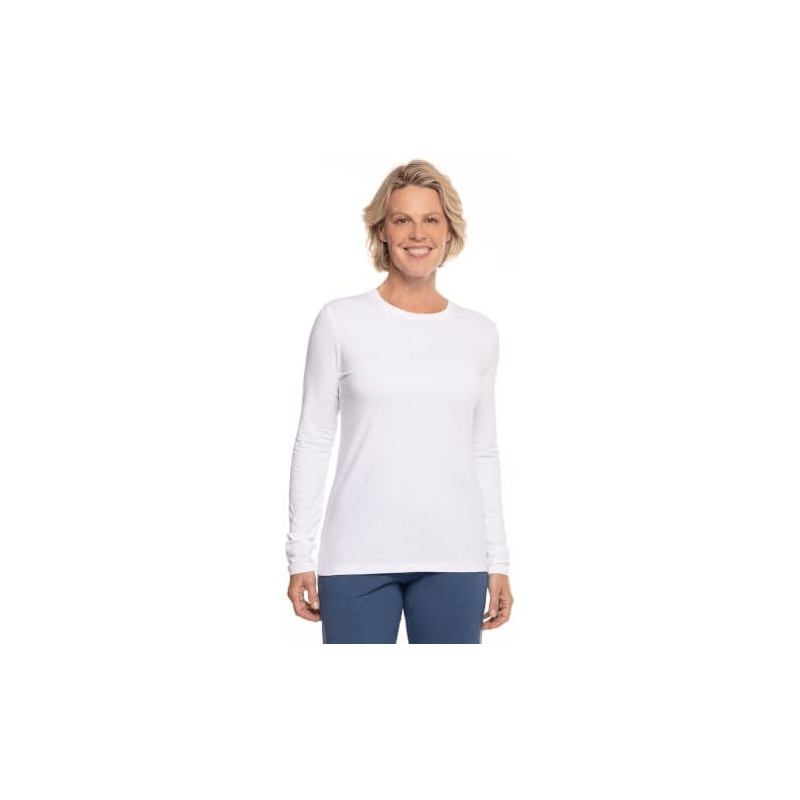
Coolibar UPF 50+ Women's Long Sleeve T-Shirt
A relaxed UPF 50+ tee in a soft cotton-bamboo blend.
Cool, calm and moisturized while it heals
View this post on Instagram
@drbrendancamp / Instagram
Dr. Brendan Camp, MD, FAAD (@drbrendancamp), calls body lotion a daily essential for moisture and the skin barrier, and says putting it on right after a shower helps lock in hydration. On a burn, that simple timing matters even more.
The AAD’s sunburn steps are refreshingly simple: get out of the sun, take cool showers or baths, pat dry gently, then put on a moisturizer with aloe vera or soy while skin’s still damp. A colloidal oatmeal bath or cool, damp washcloth can help too. Aspirin or ibuprofen may ease swelling and discomfort if they’re safe for you, and extra water helps because a burn pulls fluid toward the skin’s surface.
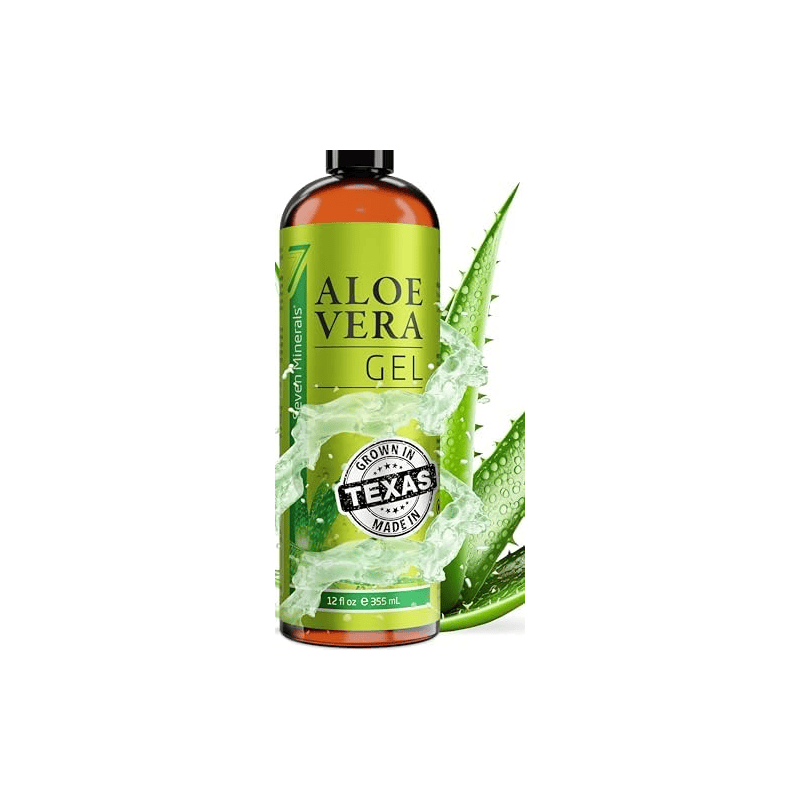
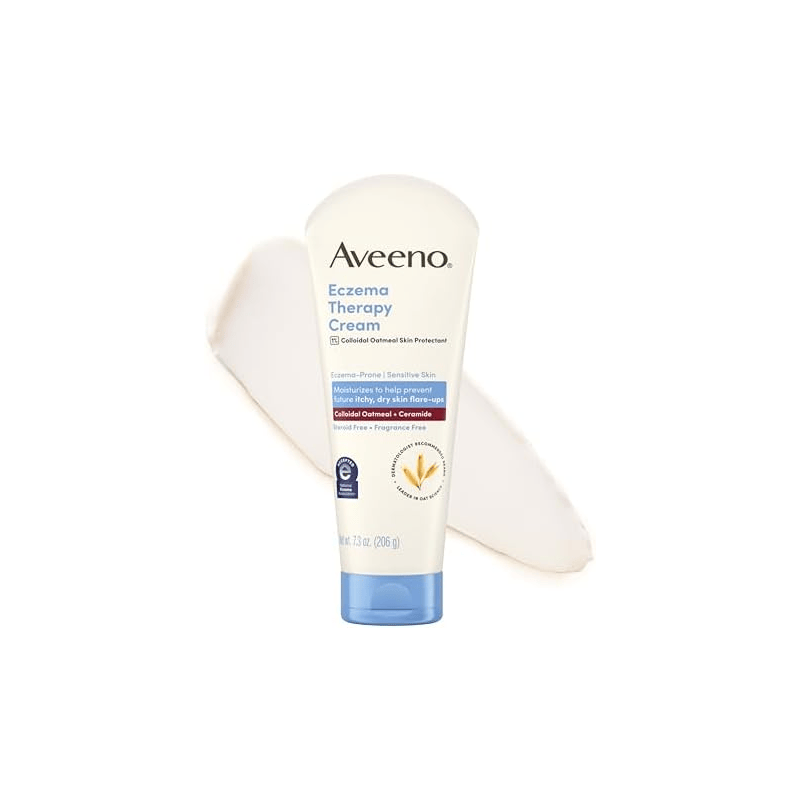
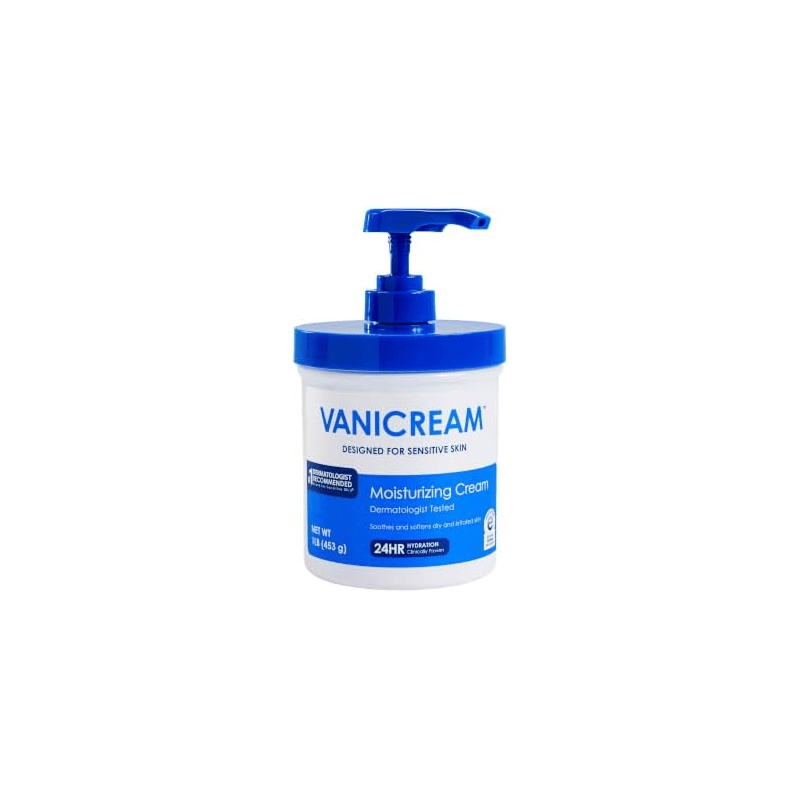
Skip benzocaine and lidocaine products, plus butter, petroleum jelly and other oil-based products on a fresh burn, per MedlinePlus. Don’t use ice packs, scratch or peel loose skin, and don’t pop blisters. Seven Minerals Aloe Vera Gel is a 98.7% organic aloe option, Aveeno Eczema Therapy Daily Moisturizing Cream is fragrance-free with colloidal oatmeal and ceramides, and Vanicream Moisturizing Cream is fragrance-free and made without common irritants.
Hats, sunglasses and when to get help
View this post on Instagram
@coolibar / Instagram
Coolibar (@coolibar) makes UPF 50+ clothing, hats and sunglasses, and its gear is now eligible for HSA and FSA spending. If I had to choose one sun-protection accessory to build a whole practical outfit around, I’d go wide-brim hat, black cover-up, simple silver hoops and big sunglasses. Chic, but still doing a job.
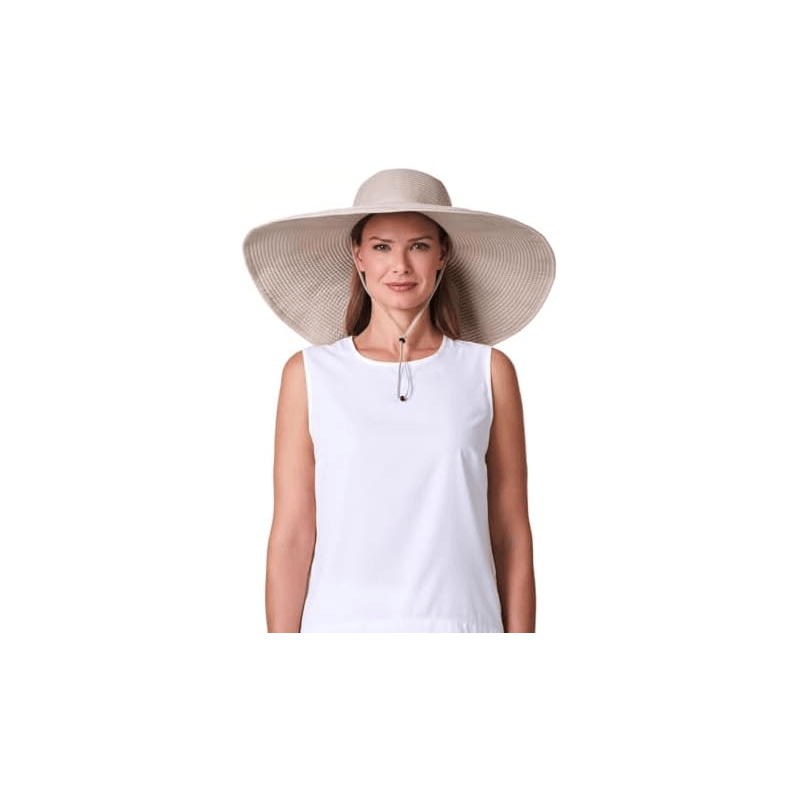
The Skin Cancer Foundation recommends a hat brim of at least three inches to shade the face, scalp, neck, ears and shoulders, ideally in a tight weave rather than loose straw. Hats work best with UV-filtering sunglasses. Coolibar Shelby Ultra Wide Sun Hat UPF 50+ has an ultra-wide UPF 50+ brim, and Coolibar Solaira Polarized Sunglasses are polarized and UV-protective.
Get help fast if a burn comes with blistered or swollen skin, a very high temperature or chills, dizziness, extreme tiredness, nausea, headache or muscle cramps, per the NHS. MedlinePlus also flags fever, feeling faint, a rapid pulse, pale or clammy skin, eyes that hurt and feel sensitive to light, and severe, painful blisters. Severe sunburn can come with heat exhaustion or heatstroke.
The practical move is boring in the best way: cover up, use enough sunscreen, reapply before you think you need to, and if you do burn, keep it cool, moisturized and completely out of direct sun while it heals.


