
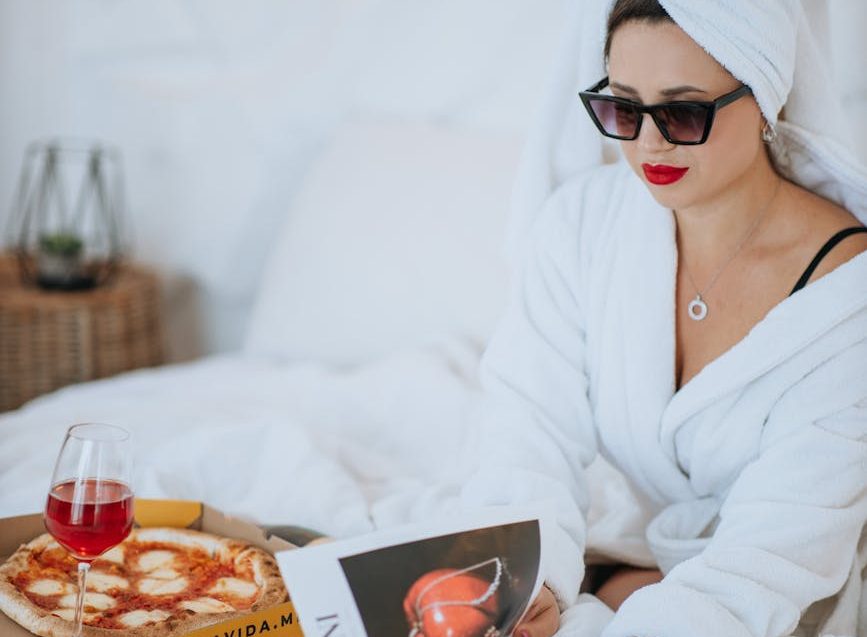
Walk into any workplace, coffee shop, or fitness class and you’ll hear the same refrain: “You’re how old?” Millennials have gained a reputation for looking noticeably younger than their birth certificates imply. As a generation now well into their late 20s, 30s, and early 40s, many millennials are defying traditional aging expectations. Part of this is cultural, part is scientific, and part is the result of shifting lifestyle and wellness priorities. Understanding why millennials appear more youthful offers insight into how modern habits and evolving beauty standards shape how we age.
Shifting Wellness Culture and Preventative Habits
Millennials were the first generation to embrace wellness as a lifestyle instead of a trend. Things like SPF, retinol, and consistent moisturization became routine earlier than in previous generations. They also entered adulthood during a skincare boom that emphasized prevention rather than correction. This early adoption helped maintain collagen and protect skin from long-term sun damage. Added to this is the generation’s focus on mental health, nutrition, and fitness—choices that indirectly support skin resilience and better overall aging.
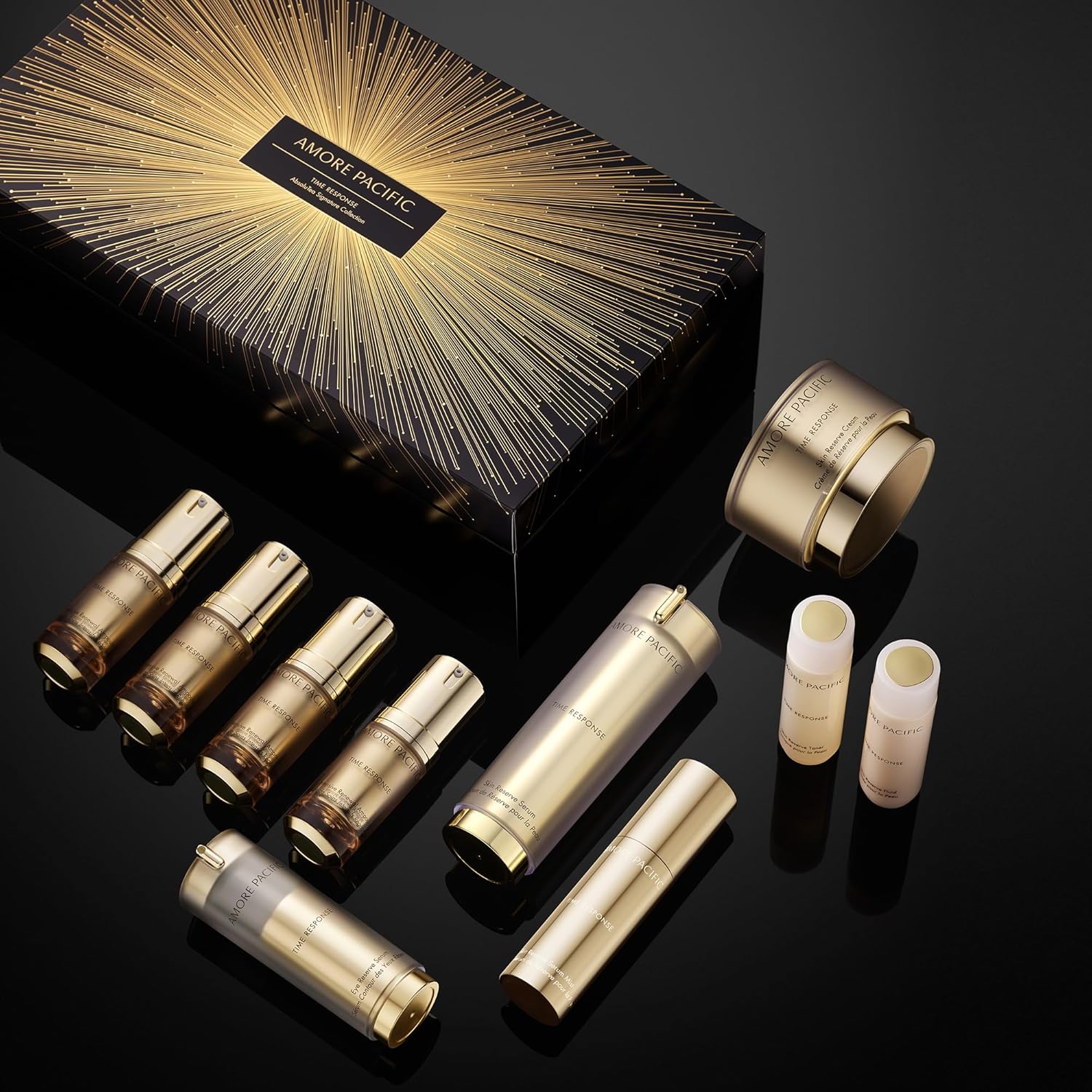
Access to Better Skincare and Ingredient Literacy
Unlike earlier generations who relied primarily on department stores and magazines for beauty guidance, millennials grew up with the internet and ingredient transparency. They learned how to evaluate products, understand formulas, and distinguish marketing noise from science-backed ingredients. Retinoids, vitamin C, AHAs, BHAs, peptides, and ceramides became common knowledge rather than niche terms. This ingredient literacy helped millennials curate skincare routines earlier and more effectively, supporting smoother texture, fewer breakouts, and slower visible aging.
SPF Awareness and Sun-Safe Habits
Millennials came of age during the widespread cultural shift toward sun protection—something their parents and grandparents often missed. The rise of daily SPF 30+ recommendations, spray sunscreens, mineral formulas, and broad-spectrum labeling changed how people protected themselves from UV exposure. Because millennials learned early about the link between sun damage and accelerated aging, many adopted sunscreen as a non-negotiable step. This single habit, more than almost anything else, has played a central role in making millennials appear younger.
Reduced Stigma Around Cosmetic Procedures
Millennials also grew up in a time when aesthetic treatments became more accepted and accessible. Subtle Botox, laser facials, microneedling, chemical peels, and fillers lost much of their taboo. Instead of drastic makeovers, the trend shifted toward small preventative treatments that maintain youthfulness without obvious signs of alteration. Even those who don’t get procedures benefit from the knowledge and the normalization of proactive skin management. This shift created an environment where maintaining a youthful appearance feels approachable rather than extravagant.
Stress, Tech Culture, and the Paradox of “Youthfulness”
Interestingly, while millennials face unprecedented financial stressors—student loans, housing costs, job instability—their outward appearance often doesn’t reflect the weight of those pressures. Part of this is aesthetic: fashion, makeup, and lifestyle trends skew younger and more casual than earlier generations. Another factor is cultural: millennials came of age during the rise of social media, which encouraged constant self-presentation. This led to earlier adoption of grooming routines, photo-conscious skincare habits, and a heightened investment in appearance—factors that can contribute to a more youthful look, even during stressful periods.
The Role of Genetics and Environmental Awareness
Genetics always play a role in how we age, but millennials have also benefited from growing up with increased public knowledge about environmental impacts on skin. Awareness of pollution, blue light, oxidative stress, and barrier damage became mainstream, prompting the use of antioxidants, barrier-strengthening ingredients, and protective skincare. Combined with better health information overall, millennials are better equipped to minimize environmental wear on the skin, helping maintain a fresher, smoother complexion into their 30s and 40s.
A New Definition of What “Aging” Looks Like
Perhaps most importantly, millennials are redefining what aging even means. They embrace skincare as self-care, prioritize mental well-being, and normalize looking like themselves—rather than chasing unrealistic ideals. This shift in attitude creates a softer, more confident approach to aging. Youthfulness becomes less about perfection and more about vitality, healthy skin, and emotional balance. When aging is approached with curiosity and care rather than resignation, the result is naturally more radiant.
Moving Forward: What We Can Learn
The millennial approach to aging offers valuable lessons: small daily habits matter, sun protection is non-negotiable, early prevention pays off, and emotional well-being is deeply connected to how we look. While no routine can erase genetics or life’s challenges, millennials have shown that aging gracefully is both possible and accessible. Their blend of science, self-awareness, and holistic wellness offers a roadmap for anyone seeking a healthier relationship with their skin—and a more youthful glow at any age.
This post is for informational purposes only and isn’t a substitute for professional medical guidance. As an Amazon Associate, I earn from qualifying purchases – at no cost to you!
Leave a Reply