

The Unexpected Link Between Oral Care and Acne
Brushing your teeth is one of the most consistent habits in daily life, often more reliable than skincare itself. Yet for many people, stubborn breakouts around the mouth, chin, and jawline persist no matter how carefully they cleanse or treat their skin. Dermatologists have increasingly pointed to an overlooked culprit: toothpaste. Because the skin around the mouth is thinner and more reactive, repeated exposure to certain toothpaste ingredients can quietly trigger irritation, clogged pores, and acne-like eruptions that are often misdiagnosed as hormonal or stress-related breakouts.
Why Breakouts Cluster Around the Mouth and Chin
The area surrounding the mouth is uniquely vulnerable. It experiences frequent friction, moisture, and contact with products not designed for skin use. Toothpaste residue can linger in pores, especially along the smile lines and chin, where foam collects and dries overnight. This creates an environment that disrupts the skin barrier, encourages inflammation, and traps bacteria. Over time, the skin reacts with small bumps, redness, or cystic breakouts that resist traditional acne treatments because the source of irritation never leaves.
How Foaming Agents Disrupt the Skin Barrier
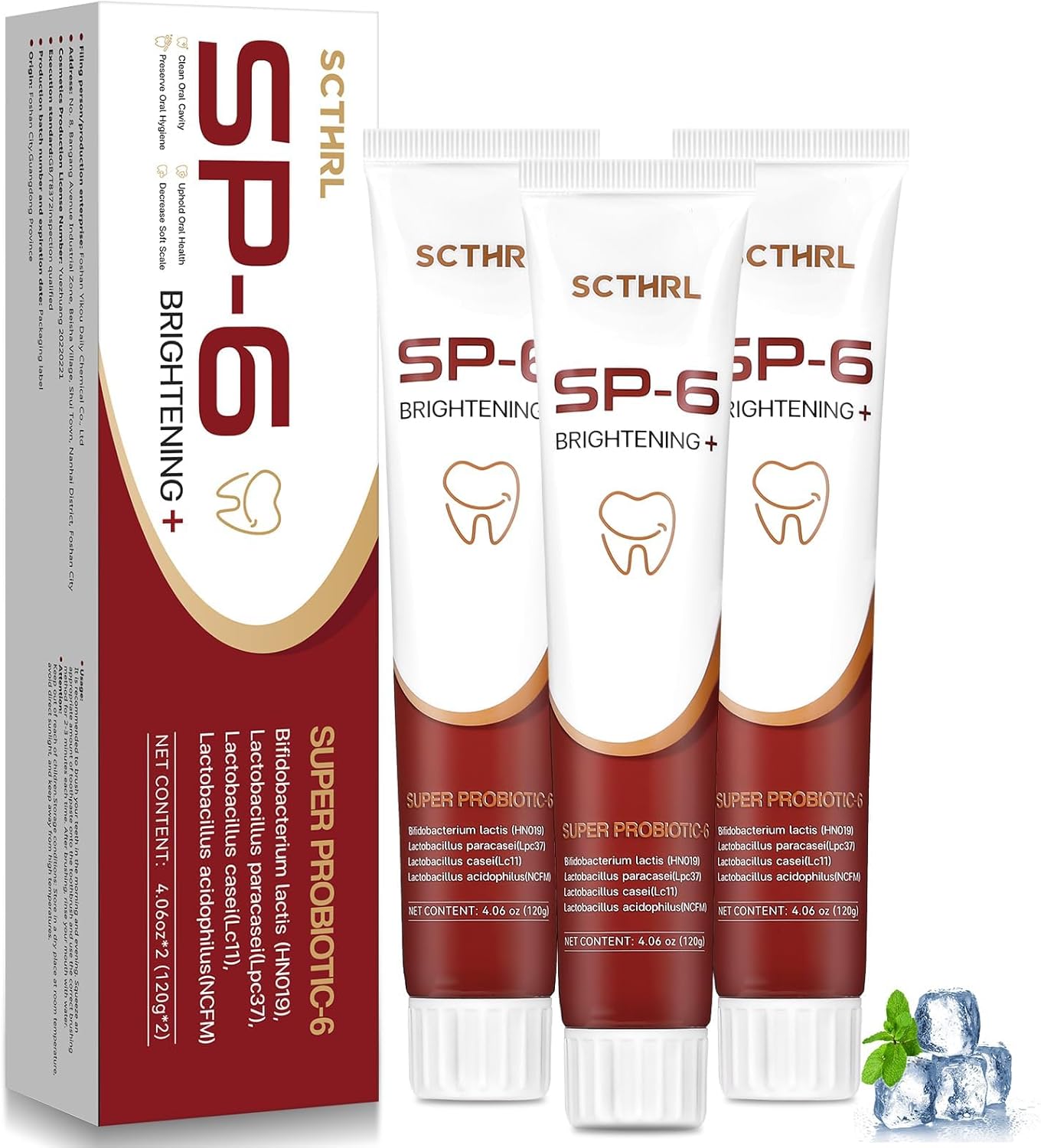
Many conventional toothpastes rely on strong foaming agents to create that clean, fresh sensation. While effective for removing debris from teeth, these surfactants can strip the skin of its natural oils. When this happens repeatedly, the skin barrier weakens, leading to dryness and microscopic cracks that allow bacteria and irritants to penetrate more easily. The result is inflammation that looks like acne but behaves more like contact dermatitis, often worsening the more it’s treated with harsh spot products.
The Role of Fluoride in Perioral Irritation
Fluoride is essential for dental health, but it has long been associated with a specific type of rash known as perioral dermatitis. This condition presents as clusters of red, inflamed bumps around the mouth that resemble acne but do not respond to typical acne treatments. For susceptible individuals, fluoride can disrupt the delicate balance of skin cells around the lips and chin, triggering inflammation that persists until exposure stops. Because fluoride sensitivity isn’t universal, many people never suspect it as the cause of their recurring breakouts.
Flavoring Agents and Hidden Irritants
The ingredients that make toothpaste taste refreshing can also be problematic for skin. Cinnamon derivatives and other flavoring agents are common causes of contact irritation. These substances can provoke an immune response in sensitive skin, leading to redness, itching, and acne-like bumps that flare shortly after brushing. Unlike food-related reactions, these irritants don’t need to be ingested to cause problems; repeated topical exposure is enough to disrupt skin health over time.
Essential Oils and Alcohol’s Drying Effect
Some toothpaste formulas include essential oils and alcohol for antibacterial benefits. While effective for oral hygiene, these ingredients can be drying and irritating to facial skin. Alcohol accelerates moisture loss, while certain essential oils can sensitize the skin when used repeatedly. When combined with nightly exposure and incomplete rinsing, these ingredients contribute to chronic irritation that shows up as persistent breakouts concentrated around the mouth and chin.
Why Skincare Alone Often Doesn’t Fix the Problem
Many people attempt to treat toothpaste-related breakouts with stronger cleansers, acids, or prescription acne treatments. Unfortunately, this often backfires. Because the issue is irritation rather than clogged pores alone, aggressive skincare further compromises the barrier, making breakouts worse. Until the source of irritation is removed, even the best skincare routine struggles to restore balance. This is why mouth-area acne often improves dramatically only after switching toothpaste or changing brushing habits.
Small Changes That Can Make a Big Difference
Dermatologists frequently recommend evaluating toothpaste when acne is localized around the mouth. Switching to gentler formulas, thoroughly rinsing the face after brushing, and avoiding toothpaste residue overnight can significantly reduce inflammation. Some people also notice improvement by brushing before washing their face, ensuring no lingering foam remains on the skin. These subtle changes help reduce daily irritation that quietly accumulates over weeks and months.
What Clear Skin Often Reveals
When toothpaste is the trigger, skin recovery can be surprisingly fast. Redness fades, bumps flatten, and recurring breakouts stop cycling within a few weeks. This rapid improvement often feels almost suspicious, especially after months or years of failed acne treatments. It’s a reminder that skin doesn’t exist in isolation; it responds to everything it touches. Sometimes the solution isn’t another serum or prescription, but removing an everyday irritant hiding in plain sight.
Rethinking Daily Habits Through a Skin Lens
Skincare conversations often focus on products applied intentionally to the face, yet overlooked daily habits can have just as much impact. Toothpaste is one of the most common examples of a non-skincare product influencing skin health. Once people understand this connection, it changes how they view persistent breakouts—not as personal failure or bad skin, but as a solvable environmental trigger. Clearer skin, in many cases, begins with awareness rather than escalation.
This post is for informational purposes only and isn’t a substitute for professional medical guidance. As an Amazon Associate, I earn from qualifying purchases – at no cost to you!
Leave a Reply