
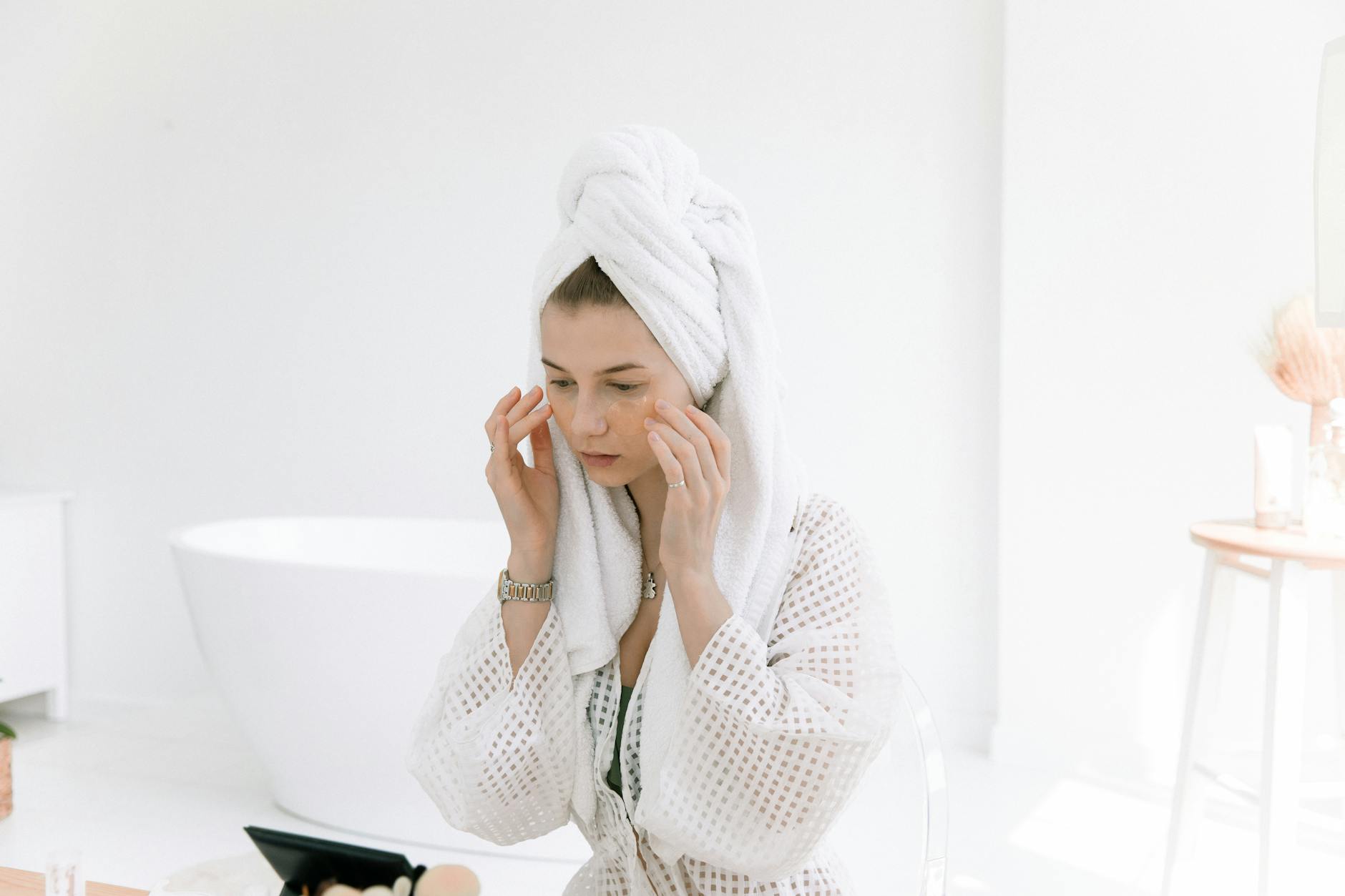
You apply a new serum or treatment, and within seconds your skin starts to tingle. Maybe it feels warm, maybe slightly prickly, maybe even a little spicy. For years, skincare culture has taught people to interpret that sensation as proof that a product is “working.” But the truth is more complicated. Tingling after skincare can mean very different things depending on what’s causing it, how long it lasts, and how your skin responds afterward. In some cases, it’s harmless. In others, it’s a quiet warning your skin barrier is under stress.
Why Skincare Products Can Cause Tingling Sensations
Tingling happens when nerve endings in the skin are stimulated. This can occur for several reasons, including changes in skin pH, increased blood flow, or direct irritation of nerve receptors. Certain active ingredients temporarily alter the skin’s environment, which can create a mild sensation. The key distinction is whether the tingling is brief and fades quickly, or whether it escalates into burning, redness, or lingering discomfort. The skin is not supposed to feel painful or inflamed as part of normal care.
When Tingling Can Be Normal and Temporary
Some ingredients are known to cause mild, short-lived tingling, especially when first introduced. Alpha hydroxy acids, beta hydroxy acids, vitamin C in its active form, and retinoids can all stimulate nerve endings as they increase cell turnover or adjust skin pH. In these cases, tingling typically lasts less than a minute and does not worsen with repeated use. Skin should look calm shortly afterward, not flushed or swollen. This type of sensation is often part of acclimation rather than damage.
When Tingling Signals Skin Barrier Damage
If tingling feels intense, stinging, or continues for several minutes, it’s often a sign that the skin barrier is compromised. When the protective lipid layer is weakened, nerve endings are more exposed and reactive. Products that were once tolerated may suddenly burn or sting. This isn’t a sign of effectiveness; it’s a signal of irritation. Over time, repeated barrier disruption can lead to chronic sensitivity, redness, breakouts, and difficulty tolerating even gentle products.
The Role of Over-Exfoliation and Overuse of Actives
One of the most common reasons people experience tingling is layering too many active ingredients too often. Exfoliating acids, retinoids, and strong treatments can thin the outer layer of skin when overused, leaving it vulnerable. Social media skincare trends often encourage aggressive routines that look impressive but quietly overwhelm the skin. Tingling in these cases is not progress; it’s your skin asking for a pause. Recovery, not escalation, is usually the solution.
Why “It Means It’s Working” Is a Skincare Myth
The idea that discomfort equals effectiveness comes from outdated beauty marketing. Effective skincare works at a cellular level, not by causing pain. Many of the most beneficial products feel neutral or even soothing on the skin. Persistent tingling does not correlate with better results and may actually reduce long-term benefits by triggering inflammation. Inflammation accelerates aging, disrupts healing, and increases pigmentation risk. Calm skin consistently outperforms irritated skin over time.
How Skin Type Influences Tingling Reactions
Skin that is dry, sensitive, acne-prone, or experiencing hormonal shifts is more likely to tingle. Environmental factors like cold weather, low humidity, hot showers, and stress also lower the skin’s tolerance threshold. What feels fine on oily or resilient skin may sting on compromised skin. This is why copying someone else’s routine often backfires. Tingling should always be evaluated in the context of your skin’s current condition, not someone else’s results.
The Difference Between Tingling and an Allergic Reaction
Tingling is not the same as an allergic reaction, but the two can be confused. Allergic reactions typically include itching, swelling, redness, hives, or delayed irritation that worsens over hours or days. Tingling from irritation usually happens immediately and fades if the product is removed. If discomfort increases, spreads, or causes visible inflammation, it’s safer to stop using the product. Skin rarely needs to “push through” discomfort to improve.
How to Tell If You Should Stop Using a Product
A good rule of thumb is duration and intensity. Mild tingling that disappears quickly and does not return with continued use may be acceptable. Burning, stinging, or warmth that lingers is not. If your skin feels tight, shiny, or unusually reactive afterward, your barrier may be compromised. Reducing frequency, buffering actives with moisturizer, or stopping altogether can prevent long-term damage. Listening early prevents months of recovery later.
Why Calm Skin Is the Real Goal of Skincare
Healthy skin feels comfortable. It doesn’t sting when you apply products, flush easily, or feel fragile. Tingling is not a badge of honor; it’s feedback. Modern skincare science emphasizes barrier support, inflammation control, and consistency over dramatic sensations. When your routine is working, your skin should look clearer, smoother, and more resilient without feeling irritated. Progress is quiet, not spicy.
What to Do If Your Skin Is Already Tingling
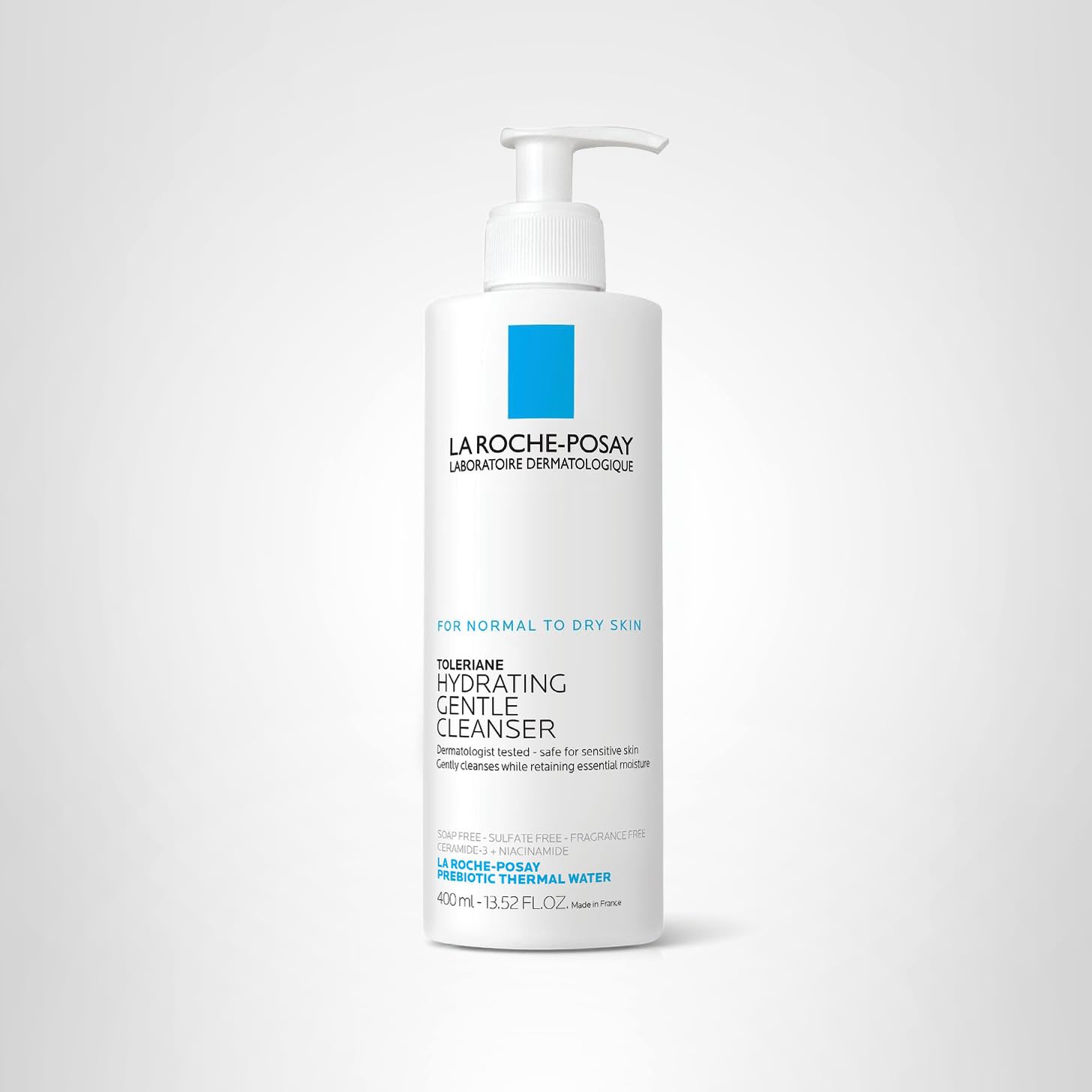
If tingling has become common, the best step is simplification. Pause active treatments, focus on gentle cleansing, moisturizing, and sun protection, and allow the skin to repair itself. Most barriers recover when stressors are removed. Once skin feels comfortable again, actives can be reintroduced slowly if needed. Skincare should support your skin’s function, not challenge its limits.
This post is for informational purposes only and isn’t a substitute for professional medical guidance. As an Amazon Associate, I earn from qualifying purchases – at no cost to you!
Leave a Reply