
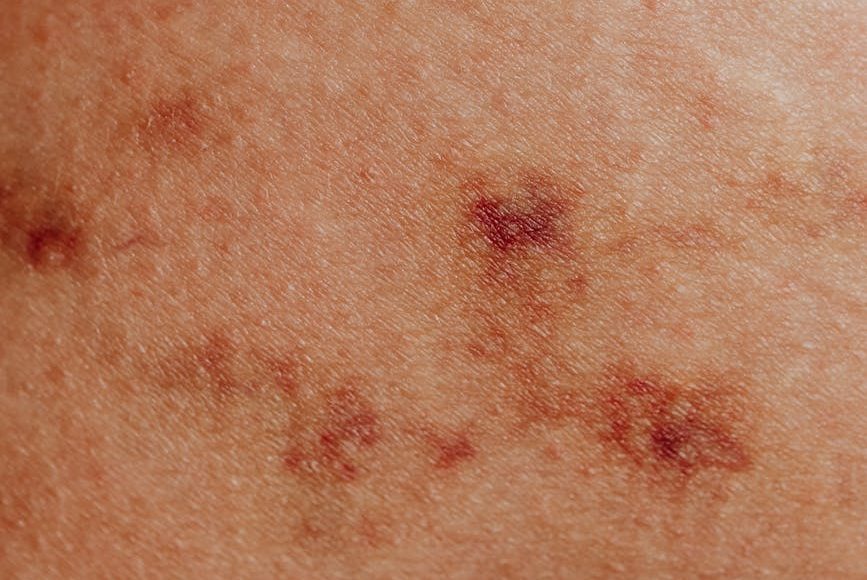
Dark spots are one of the most frustrating skin concerns because they tend to linger long after the original trigger is gone. Whether they show up after acne, pregnancy, sun exposure, or inflammation, hyperpigmentation can feel stubborn and unpredictable. While the internet is full of quick fixes and DIY hacks, dermatologists tend to rely on a much more measured, evidence-based approach. Fading dark spots isn’t about one miracle product—it’s about understanding how pigment forms, what truly interrupts that process, and how to protect your skin while it heals.
Why Dark Spots Form in the First Place
Hyperpigmentation occurs when melanocytes—the cells responsible for producing melanin—become overstimulated. This can happen after sun exposure, hormonal changes, skin injury, or inflammation such as acne or eczema. When melanin production increases unevenly, pigment becomes trapped in the skin, forming dark spots or patches. As we age, cell turnover slows, which means excess pigment takes longer to shed naturally. Dermatologists emphasize that treating hyperpigmentation requires both correcting the overproduction of melanin and supporting the skin’s renewal process over time.

The Non-Negotiable Step Dermatologists Start With
Before prescribing any pigment-fading ingredient, dermatologists insist on daily sun protection. UV exposure is the single biggest factor that worsens dark spots and prevents them from fading. Even incidental sun exposure—driving, walking the dog, sitting near a window—can reactivate pigment cells. Broad-spectrum sunscreen protects treatment progress and prevents new discoloration from forming. Many dermatologists consider sunscreen the “treatment amplifier,” because without it, even the best products will fail to deliver meaningful results.
Hydroquinone: The Clinical Gold Standard
Hydroquinone remains one of the most effective ingredients for fading stubborn hyperpigmentation, particularly melasma and post-inflammatory dark spots. It works by inhibiting tyrosinase, the enzyme required for melanin production. Dermatologists typically recommend hydroquinone for short-term use under medical supervision, often in cycles of three to four months. While highly effective, it must be used carefully to avoid irritation or rebound pigmentation. When used appropriately, hydroquinone can dramatically lighten dark spots that resist other treatments.
Retinoids That Speed Up Skin Renewal
Retinoids are a cornerstone of dermatology because they increase cell turnover and stimulate collagen production. By accelerating the rate at which pigmented cells are shed, retinoids gradually fade dark spots while improving texture and tone. Dermatologists often pair retinoids with pigment inhibitors for better results. Prescription tretinoin and over-the-counter retinol both work, though results require patience. Initial irritation is common, which is why experts stress slow introduction and consistent moisturizing to protect the skin barrier during treatment.
Vitamin C and Antioxidants Dermatologists Trust
Vitamin C is frequently recommended by dermatologists because it addresses pigmentation through multiple pathways. It interferes with melanin production, brightens existing discoloration, and protects against environmental damage that triggers new dark spots. When used consistently, vitamin C also improves overall radiance and supports collagen synthesis. Dermatologists favor stable formulations in the 10–20% range and often recommend morning use under sunscreen to enhance protection against UV-induced pigment formation.
Exfoliating Acids That Help, Not Harm
Chemical exfoliants like alpha hydroxy acids (AHAs) and beta hydroxy acids (BHAs) help fade dark spots by removing pigment-laden surface cells and promoting even turnover. Glycolic and lactic acids are commonly used to improve tone and texture, while salicylic acid is favored for acne-related pigmentation. Dermatologists caution against over-exfoliation, which can worsen pigmentation by triggering inflammation. Used strategically, exfoliating acids support pigment correction without compromising the skin barrier.
Ingredients Dermatologists Prefer Over DIY Remedies
Dermatologists consistently warn against DIY treatments like lemon juice, toothpaste, or hydrogen peroxide. These substances can irritate the skin, disrupt its barrier, and trigger more pigment production. Instead, professionals rely on well-studied alternatives like azelaic acid, kojic acid, niacinamide, and tranexamic acid. These ingredients gently interrupt melanin formation while calming inflammation, making them suitable for long-term use and sensitive skin types when properly formulated.
Why Dark Spot Treatment Takes Time
Dermatologists emphasize that fading hyperpigmentation is a gradual process. Pigment sits at different depths in the skin, and surface improvement often appears before deeper discoloration fades. Consistency matters more than intensity, and rushing treatment often leads to irritation that delays progress. Most dermatologists recommend committing to a routine for at least 8–12 weeks before evaluating results. Patience, protection, and persistence are what ultimately lead to lasting clarity.
The Dermatologist-Approved Bottom Line
When it comes to dark spots, dermatologists don’t chase trends—they follow biology. Effective treatment focuses on slowing melanin production, accelerating skin renewal, and protecting progress with daily sunscreen. While no product works overnight, the right combination of clinically supported ingredients can significantly improve discoloration over time. Dark spots may be common, but with expert-backed strategies, they don’t have to be permanent.
This post is for informational purposes only and isn’t a substitute for professional medical guidance. As an Amazon Associate, I earn from qualifying purchases – at no cost to you!
Leave a Reply