Keratin is often marketed as a cosmetic miracle, but its real importance goes far beyond shiny hair or smoother skin. This structural protein is fundamental to how the body protects itself from physical, chemical, and environmental stress. Understanding how keratin works, why levels decline over time, and how external keratin products interact with the body helps cut through hype and explains why keratin continues to dominate dermatology and hair science.
What Keratin Actually Is in the Human Body
Keratin is a fibrous structural protein naturally produced by the body and is a primary component of the outer layer of skin, hair shafts, and nails. Its role is mechanical strength and protection, forming a tough but flexible barrier that resists friction, moisture loss, and environmental damage. In skin, keratinized cells create the stratum corneum, which shields deeper layers from pathogens and toxins. In hair, keratin forms tightly packed protein chains that determine strength, elasticity, and texture. The body constantly produces keratin, but production efficiency slows with age, stress, illness, and nutritional deficiencies, making external reinforcement increasingly relevant.

Why Keratin Declines and What That Means for Skin
As keratin production slows, the skin barrier becomes less efficient, allowing moisture to escape more easily and irritants to penetrate more deeply. This contributes to dryness, sensitivity, uneven texture, and slower healing. Reduced keratin also impacts how well skin withstands UV exposure, pollution, and friction, which accelerates visible aging. When the barrier weakens, inflammation increases, collagen breakdown accelerates, and fine lines become more pronounced. While topical keratin cannot replace what the body produces internally, it can temporarily reinforce the outer barrier, reducing transepidermal water loss and improving skin resilience when used consistently.
How Keratin Supports Skin Health on the Surface
Topical keratin functions primarily as a film-forming protein that smooths the skin’s surface and fills microscopic cracks in the barrier. Hydrolyzed keratin, broken down into smaller molecules, adheres to the skin and improves texture while supporting moisture retention. This creates a temporary strengthening effect that reduces flakiness, improves elasticity, and enhances tolerance to active ingredients like retinoids or acids. Keratin also supports the skin’s natural repair cycle by creating a more stable environment for cell turnover, which can lead to improved tone and reduced irritation over time when combined with proper hydration and sun protection.
Keratin’s Role in Hair Strength and Structure
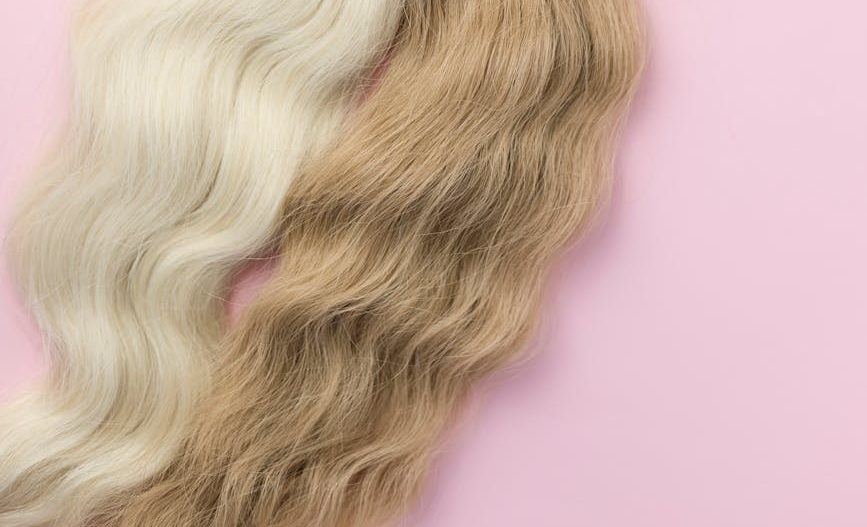
Hair is composed almost entirely of keratin, arranged in complex chains that form the cortex and cuticle. When keratin bonds are damaged by heat, chemical processing, UV exposure, or mechanical stress, hair becomes porous, weak, and prone to breakage. External keratin treatments work by temporarily patching these weak points, smoothing the cuticle, and reducing friction between strands. This improves shine, softness, and manageability while decreasing breakage during brushing and styling. The effect is structural rather than cosmetic, which explains why hair feels stronger after keratin-based treatments.
The Science Behind Keratin Hair Treatments
Keratin treatments do not permanently alter hair structure but instead bond keratin proteins to the outer layer of the hair shaft using heat or chemical activators. This creates a smoother surface and reduces water absorption, which is why frizz decreases even in humid conditions. The treatment gradually wears off with washing as the bonded proteins break down. While salon keratin treatments can significantly improve hair appearance, frequent use or high heat exposure can cause dryness if not balanced with moisture. When used correctly, keratin treatments reduce daily styling damage by minimizing the need for heat tools.
Daily Keratin Products vs Professional Treatments
Keratin shampoos, conditioners, and leave-in products deliver smaller amounts of hydrolyzed keratin that build up gradually with regular use. These products are best for maintenance, strengthening hair over time, and protecting against everyday stressors like brushing, sun exposure, and pollution. Professional treatments provide immediate dramatic results but require careful aftercare to maintain hair health. For most people, a combination of daily keratin products and occasional professional treatments offers the best balance between strength and flexibility without over-processing the hair.
Keratin’s Connection to Nails and Overall Appearance
Nails rely on keratin for hardness and structural integrity, which is why brittle or peeling nails often indicate protein or moisture imbalance. Aging, frequent hand washing, and chemical exposure degrade keratin layers in the nail plate, leading to splitting and weakness. Keratin-enriched nail treatments and cuticle care improve flexibility and reduce breakage by reinforcing the nail surface and improving hydration. While nail growth depends on internal health, external keratin products provide protection and improve appearance, making nails more resilient during daily use.
How to Use Keratin Effectively Without Overdoing It
Keratin works best when paired with hydration, lipids, and gentle care. Overuse of protein-heavy products without moisture can make hair or skin feel stiff. Alternating keratin products with hydrating formulas helps maintain balance. For skin, keratin performs best in moisturizers and barrier-repair products rather than standalone treatments. For hair, applying keratin after cleansing and sealing with conditioner preserves flexibility. Consistency matters more than intensity, and long-term benefits come from reinforcing natural structures rather than forcing dramatic short-term changes.
Why Keratin Remains a Cornerstone of Beauty Science
Keratin’s enduring presence in skin and hair care reflects biology, not marketing trends. As the body’s primary protective protein, its role in strength, resilience, and barrier function makes it foundational to healthy appearance. While keratin is not a cure-all, science supports its ability to improve structure, reduce damage, and enhance overall skin and hair performance when used appropriately. Understanding how keratin works allows people to use it intelligently, turning a widely marketed ingredient into a genuinely effective tool for long-term care.
This post is for informational purposes only and isn’t a substitute for professional medical guidance. As an Amazon Associate, I earn from qualifying purchases – at no cost to you!
Leave a Reply