
A friend’s aunt kept a bottle of clear polish with a crushed garlic clove in the bottom right by her bathroom sink when I was little, and mostly what I remember is the smell, which got into the towels. The pitch then was the same one people film today: let it sit for a week, strain it, paint it on every night, and your nails will shoot up. They won’t. The part of the nail you paint has no living cells in it, so nothing brushed on top can change how fast it grows, because all the growing happens under the skin at the base of your finger, nowhere near a polish brush.
I’ll be fair to garlic, though. It has real chemistry, people rubbed it on their skin as a folk remedy for a very long time, and there’s exactly one way it might do something for your hands. It just isn’t growth, and there’s a catch I’d want to hear about before dropping cloves into solvent.
Where the jar came from
People were pressing garlic onto their skin centuries before anyone said the word dermatology. Around the Mediterranean, in South Asia and across Eastern Europe, crushed cloves went on wounds, boils and thick, discolored toenails, long before anybody had heard of a dermatophyte. Much later, lab work showed garlic extracts kill bacteria and fungi in a petri dish, and people repeated that finding a lot more often than they repeated the petri dish part.
The polish idea came along later, and honestly I can follow the logic. Raw garlic on a nail rinses off the next time you wash your hands, while clear polish hangs on for days, so somebody on a beauty forum decided polish could work like a slow-release patch for the garlic, and as far as I can find, nobody ever checked whether it works.
What’s in a clove
I didn’t know this until a few years ago, but a whole clove sitting on your counter has almost no allicin in it. The garlic keeps two things apart inside its cells. One is alliin, a sulfur compound that comes from an amino acid. The other is an enzyme called alliinase. Crush the clove and they mix, and allicin shows up within seconds. That’s the smell that sticks to your cutting board. It’s also what does most of the germ-killing people point to in lab studies.
And it falls apart fast. Allicin starts turning into other sulfur compounds almost right away (diallyl disulfide and ajoene are two of them), and heat and time make it go faster. So after a week in a bottle of nitrocellulose polish, you aren’t painting allicin on anything. You’re painting whatever it turned into, in an amount nobody ever measured.
Garlic has selenium and some other trace minerals too, and people like to bring up the sulfur. Nails are keratin. A lot of what makes keratin tough is disulfide bonds between cysteine units. So more sulfur, tougher nails? I bought that for a while. It doesn’t work that way, because those bonds get made while the keratin is being built, from amino acids your blood carries in. By the time the plate has hardened and grown out, that part is finished. You can’t add it later, the same way you can’t push rebar into a slab of concrete that set last week.
The part you paint is not alive
The nail plate is dead cells pressed flat and glued together, and it comes from the matrix, hidden under the fold of skin at the base of your nail (that pale half-moon on your thumb is a little of the matrix peeking through). Thickness, curve and how fast it shows up were all decided back there, weeks or months before you ever filed it.
Fingernails grow about three millimeters a month, and toenails are slower. A fingernail takes roughly six months to replace itself end to end, and a big toenail can take a year or longer. So when a friend tells me her nails changed after two weeks of painting something on, I believe her. What changed was the outside of the keratin she already had, how much water it held, how bendy it felt, whether the tip kept chipping. Nice to have, but not growth.
“Strengthener” on a bottle is quietly doing the same thing. Most of them change how flexible the nail is, either with a hard film or by linking the top layers together, and a few make nails stiffer and, kind of ironically, more likely to snap. Give me flexible and hydrated over hard as glass.
The one mechanism worth taking seriously
Right beside the nail, though, there is living tissue: the nail folds along the sides and base, the eponychium (the little seal of skin your cuticle grows out of) and the nail bed underneath. All of that can be reached from the surface, so if garlic does anything at all, that’s where.
The antifungal claim has the most behind it, and I’d still hedge it both ways. Research suggests garlic compounds, ajoene especially, slow down dermatophytes and Candida species in the lab, and a few small studies tried ajoene on tinea of the skin and reported some success. But skin isn’t nail. Onychomycosis is famously hard to beat even with prescription lacquers, because getting anything through a dense keratin plate to the fungus underneath is the whole battle, and nobody has shown garlic soaked in polish can do it.
Also, a thick, discolored or crumbly nail isn’t always fungus. It could be psoriasis, an old injury or, once in a while, something more serious, and a dark streak running the full length of a nail means calling the office this week, not mixing up a remedy. I’d get a diagnosis from a board-certified dermatologist or a podiatrist before treating anything.
Now the catch. The same sulfur compounds that make garlic interesting also make it a known cause of contact dermatitis, and diallyl disulfide is a recognized allergen. Sealing it under polish tends to make things worse, since it’s held right against your skin, and painting it over nail folds that are already red is a good way to get one very unhappy finger. Keep it off broken or cracked skin completely.
The smell, and what the clove does to your bottle
Sulfur compounds drift into the air and then stick to everything. From what people describe, the smell survives handwashing, gloves and a full night’s sleep, which is a lot to put up with for something nobody has shown works.
Your polish suffers too. Polish is a solvent system with no preservatives, and it only stays stable until the solvents evaporate. Drop in a chunk of raw plant and you’ve added water and organic stuff it was never made to handle, so I’d expect cloudiness, separating, fast thickening and a gummy brush long before you’d normally finish the bottle. Straining doesn’t really rescue it, because the bottle has already changed and you’re still painting on a dose of broken-down plant extract nobody can measure.
What I’d do instead
You can’t paint on faster growth. That gets set at the matrix, and it follows your overall health. So I put my effort into two things: not wrecking the nail I already have, and keeping the skin around it calm.
Gloves for anything wet
Water is the worst offender, by a lot. Every time your hands are wet the plate soaks some up and swells, then it shrinks again as it dries. Do that enough and the layers of keratin start letting go of each other, and the tip peels off in thin sheets.
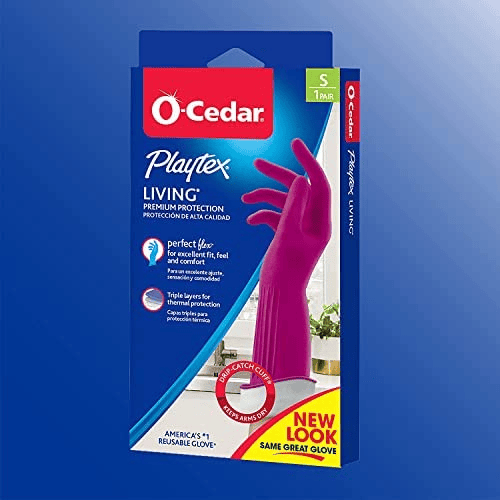
If you wash dishes by hand, work in healthcare or clean without gloves, that swelling and shrinking is happening to you several times a day. I keep a pair of Playtex Living Reusable Gloves under the sink now, and if I could change only one thing, it would be that. They’re cotton-lined, so they’re comfortable enough that I actually wear them.
A gentler remover

Acetone is next. It pulls the natural oils out of the nail and the skin around it. I don’t remove polish as often as I used to, and for regular polish I reach for ella+mila Soy Nail Polish Remover, which is acetone-free and soy-based. It works a little slower, and that’s the trade you want if your nails peel in layers after every removal. There’s lavender oil in it, so it doesn’t smell like a chemistry lab, and since it’s gentler on the skin around the nail, it’s an easy swap to make for everyday polish changes. I still keep acetone around for glitter, which non-acetone removers in general struggle with. I will not peel gel off anymore, either. Peeled gel takes thin layers of nail with it, and those need months to grow back. (I learned that one the hard way in college.) If you go back and forth between gel and dip, our comparison of gel, acrylic, and dip powder shows which removal is roughest.
Oil for the living skin
Please don’t cut your cuticles. Well, the eponychium, the thin skin at the base that people snip because it looks tidier. It’s a seal, and it keeps bacteria and yeast out. Cut it and you’re inviting the same infections people end up looking for a home remedy for.
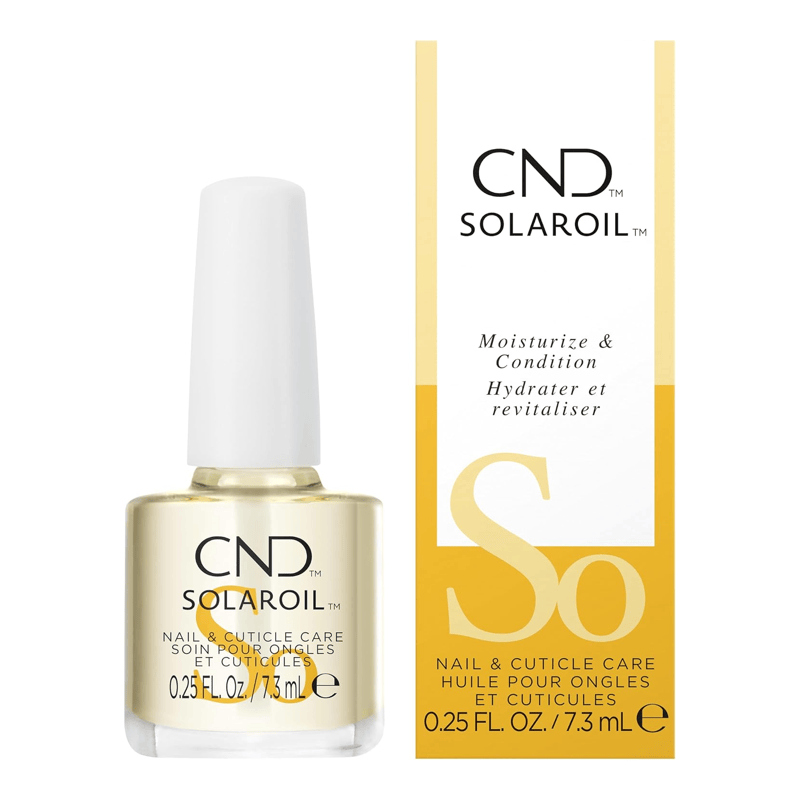
I push mine back gently and oil it every day with CND SolarOil, a jojoba-based oil thin enough to sink in fast, which matters because it should really go on after every handwash, not once a day. If garlic’s old folk claim has any honest cousin on this list, it’s this one, because it’s living skin.
Our cuticle care routine walks through the rest of it.
A balm that stays put overnight
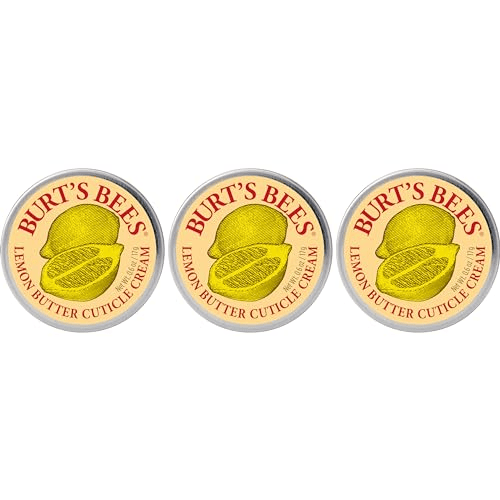
At night I switch to something thicker. Burt's Bees Lemon Butter Cuticle Cream is a rich balm in a little tin, and it stays on the nail folds while I sleep instead of soaking away in ten minutes. I rub a small dab into each cuticle right before bed, which is when the skin around my nails gets its longest break from water and soap. It smells like lemon, too, which is a lot nicer than garlic.
Biotin? Meh. The studies behind it are small and old. Most had no control group. The people in them had very brittle nails to begin with, and hardly anybody who eats a mixed diet is actually short on it. The thing I’d worry about is that big doses can throw off lab tests, thyroid panels and cardiac troponin included. Tell your doctor before you start it, and again before blood work.
A file that seals the edge

Little stuff: I file one way only, never back and forth, and I use a Mont Bleu Glass Nail File for it. The fine glass seals the free edge rather than shredding it the way a coarse emery board does, and it washes clean instead of getting replaced. A damaged nail stays short till it grows out. And I really need to quit opening soda cans with my thumbnail.
There’s more in our nails archive.
Garlic and nails, the short answers
Does garlic in nail polish make nails grow? No. Growth happens at the matrix under your skin, and nothing painted on the finished nail plate can speed it up.
Can garlic cure toenail fungus? Nothing shows that it can. Toenail fungus is hard to clear even with prescription lacquers, and plenty of discolored toenails turn out not to be fungus at all, so get it checked first.
Is garlic nail polish safe? Mostly you’re risking contact dermatitis and a smell that hangs around. If it gets red, itchy or burns, wash it off and stop, and skip it completely with cracked skin, inflamed nail folds, diabetes or circulation problems.
Does eating garlic help your nails? No. What feeds the matrix is a varied diet with enough protein, and garlic isn’t a nail treatment either way.
The honest summary
Garlic does kill germs, and it has a long history. Whoever first stirred it into polish had a real problem in mind, too: raw garlic washes off, and they wanted it to stay put. That part makes sense to me.
But the plate is finished keratin. Growth happens at the matrix, under your skin. No infusion changes either of those. The best garlic could do is help the living skin around the edges, nobody has shown it does that on nails, and you’d be putting a known allergen on your fingers and ruining a bottle of polish to find out.
If your nails peel, keep them dry, use less acetone, oil the folds every day and give the plate its six months to grow out. If they’re changing color, getting thick or just look off to you, make the appointment. It’s slow. Nails are slow.


