

The 1990s and early 2000s didn’t just give us low-rise jeans and frosted lipstick—they also introduced the ultra-thin brow. Celebrities, runway shows, and magazine covers pushed a hyper-sculpted look that made tweezers a daily ritual. At the time, brows were treated more like lines drawn on the face than living hair with a growth cycle. Repeated plucking, waxing, and threading traumatized follicles that were never given time to recover. For many people, the damage didn’t show up immediately. Years later, sparse patches, uneven growth, or total bald spots appeared, leaving former brow minimalists wondering if regrowth was even possible.
What Actually Happens When Brows Are Overplucked
Eyebrow hair grows in cycles just like scalp hair, but those cycles are shorter and more fragile. Constant plucking disrupts the follicle during its growth phase, gradually weakening its ability to produce hair. Over time, follicles can become dormant or shrink, producing thinner, shorter hairs—or none at all. Aging compounds the issue, because collagen production, blood flow, and hormone levels shift, all of which influence hair growth. That’s why many people don’t notice the full consequences of overplucking until their 30s or 40s, when regrowth suddenly slows down and brows stop “bouncing back” the way they used to.
The First Rule of Brow Recovery: Hands Off
The most difficult but essential step in brow recovery is stopping all unnecessary removal. Even “just cleaning them up” can interrupt regrowth during a critical phase. Letting brows grow freely for at least 12 weeks allows follicles to re-enter their natural cycle. During this time, brows may look uneven, fluffy, or chaotic—but that stage is part of the healing process. Trimming long hairs is fine, but avoid tweezing, waxing, or threading entirely. Think of this phase as physical therapy for your brows: uncomfortable, imperfect, but absolutely necessary for long-term results.
Ingredients That Actually Support Regrowth
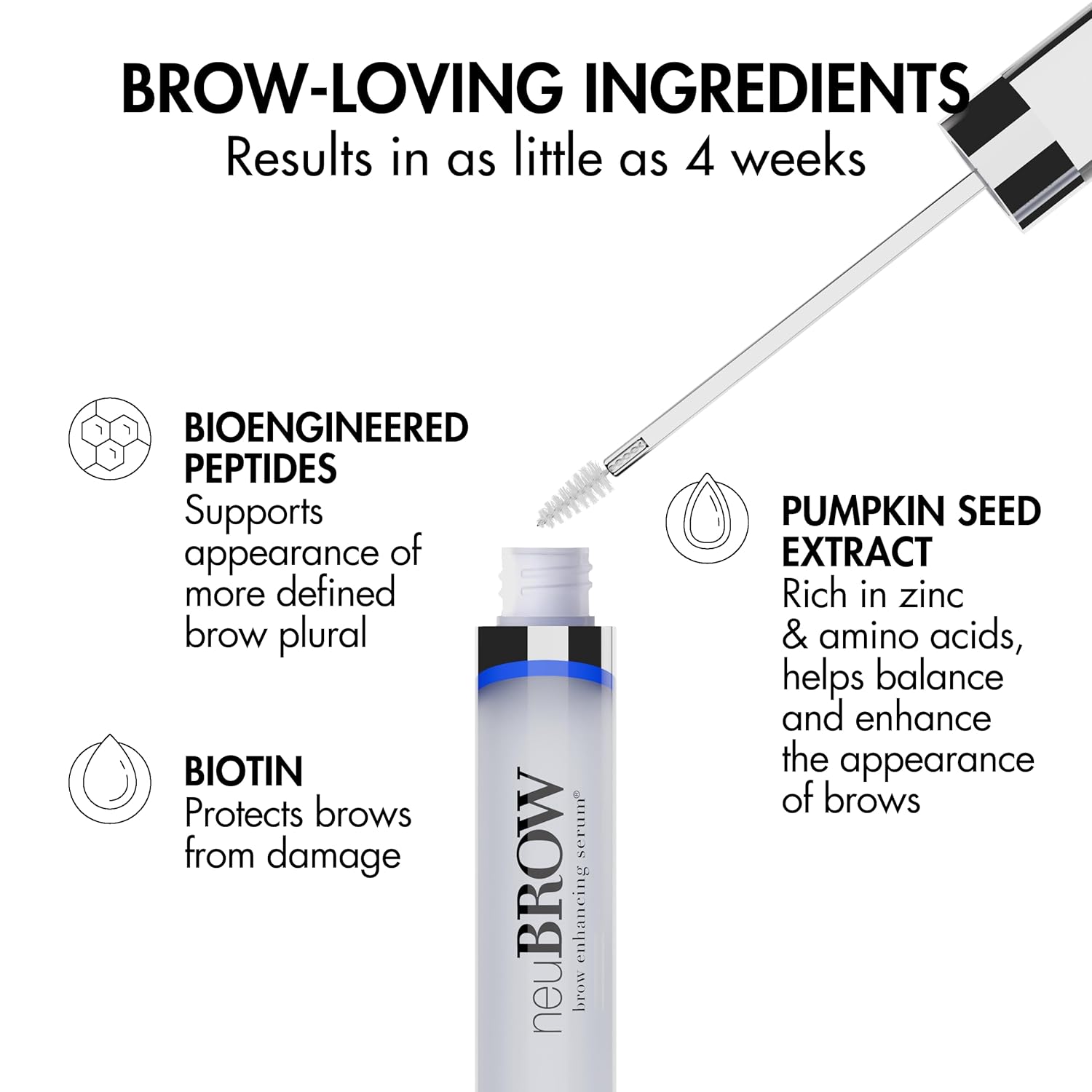
Not all brow products are created equal. Effective regrowth formulas focus on nourishing the follicle and supporting the skin underneath it. Peptides help signal hair-producing cells to strengthen and lengthen growth. Biotin supports keratin production, which improves hair structure and reduces breakage. Castor oil delivers fatty acids that condition both skin and hair, while vitamin E protects follicles from oxidative stress. Hyaluronic acid keeps the skin hydrated so follicles aren’t growing in a dry, inflamed environment. Consistent use matters more than brand hype—daily application over several months produces the most noticeable improvement.
Blood Flow, Nutrition, and the Inside-Out Approach
Healthy brows don’t exist in isolation from the rest of the body. Poor circulation, nutrient deficiencies, and chronic inflammation can all limit regrowth potential. Gentle massage increases blood flow to follicles, delivering oxygen and nutrients essential for hair production. Diet also plays a role: omega-3 fatty acids support follicle health, vitamin A helps regulate cell growth, and iron supports oxygen delivery. Hydration matters too—dry skin around the brow area can slow follicle activity. Supporting brow growth is less about a single miracle product and more about creating ideal conditions from the inside out.
Smart Ways to Fake It While You Heal
While waiting for regrowth, strategic makeup can restore confidence without sabotaging progress. Use soft pencils, powders, or pens applied with a light hand—pressing too hard can irritate healing follicles. Focus on mimicking individual hairs rather than blocking in solid color. Avoid heavy waxes or long-wear formulas that require aggressive removal. Always cleanse brows gently at night to prevent product buildup. For some, professional options like microblading or nano-brows offer temporary visual fullness, but these should be approached cautiously and ideally after consulting a dermatologist if regrowth is still underway.
When to Consider Professional Help
If brows haven’t improved after six to nine months of consistent care, medical input can help identify deeper issues. Hormonal imbalances, thyroid conditions, or nutritional deficiencies sometimes present first as eyebrow thinning. Dermatologists can recommend prescription-strength growth treatments or in-office therapies designed to stimulate dormant follicles. Professional guidance doesn’t mean failure—it means you’re treating your brows like the living tissue they are, rather than assuming damage is purely cosmetic.
Overplucked brows may be a signature memory of the ’90s, but they don’t have to be a permanent one. With patience, consistency, and the right approach, many “lost” brows can make a meaningful comeback—sometimes fuller, healthier, and more natural than ever before.
This post is for informational purposes only and isn’t a substitute for professional medical guidance. As an Amazon Associate, I earn from qualifying purchases – at no cost to you!
Leave a Reply