
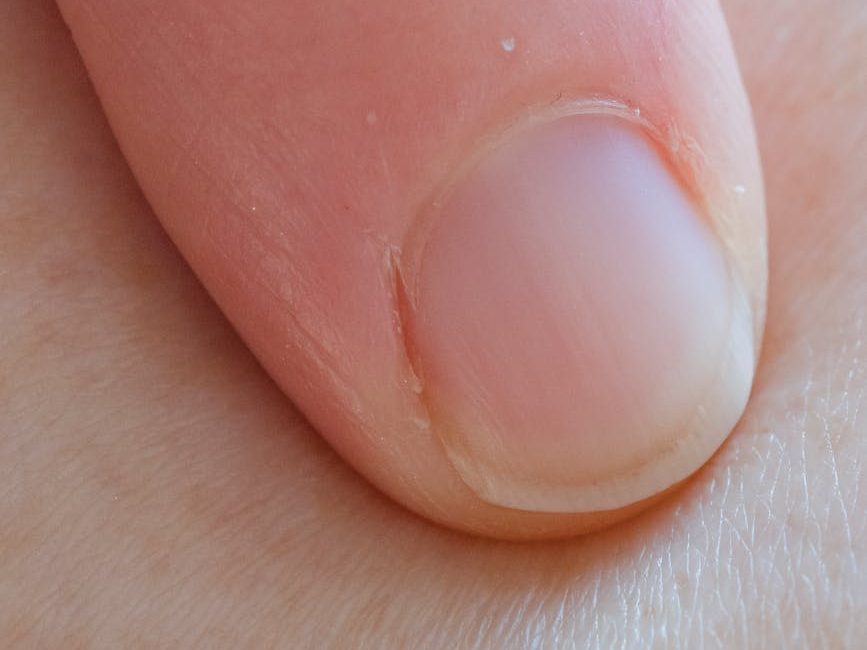
Your nails might seem like a purely cosmetic detail, but doctors often see them as tiny windows into your overall health. Changes in nail color, texture, thickness, or shape can quietly reflect what’s happening internally—sometimes long before other symptoms show up. From nutrient deficiencies to autoimmune conditions, your nails can offer early clues that something deeper may be going on, which is why persistent or unusual nail changes deserve closer attention.
Why Nails Reflect What’s Happening Inside Your Body
Nails are made primarily of keratin and grow from the nail matrix, an area rich in blood supply. Because of this constant circulation, nails respond quickly to shifts in nutrition, oxygen levels, hormone balance, and immune function. When the body is under stress—whether from illness, inflammation, or deficiency—nail growth and appearance often change. Unlike skin, nails grow slowly, which means they preserve a historical record of what your body has been dealing with over weeks or months.

Unusual Nail Colors That Can Signal Health Issues
Healthy nails are typically pale pink with a consistent tone. Yellow nails can suggest fungal infections, respiratory conditions, or metabolic disorders, especially if thickening accompanies the color change. Pale or white nails may point toward anemia, liver disease, or poor circulation. Blue or purplish nails can indicate low oxygen levels, sometimes related to heart or lung concerns. Dark streaks beneath the nail, particularly if new or changing, should always be evaluated, as they can occasionally signal serious skin conditions.
Changes in Texture and Shape You Shouldn’t Overlook
Texture changes are often overlooked but medically relevant. Brittle, splitting nails can suggest thyroid disorders, iron deficiency, or excessive chemical exposure. Spoon-shaped nails that curve upward may indicate anemia or iron absorption issues. Nail pitting—tiny dents in the nail surface—is often linked to autoimmune conditions such as psoriasis. Clubbing, where fingertips enlarge and nails curve downward, can be associated with cardiovascular, pulmonary, or gastrointestinal diseases and warrants prompt medical evaluation.
What Slow or Rapid Nail Growth Can Tell You
Nail growth patterns can offer insights into metabolism and hormone balance. Slow-growing nails may reflect poor circulation, aging, thyroid dysfunction, or nutritional deficiencies. On the flip side, unusually rapid nail growth may occur with hyperthyroidism or pregnancy. Because fingernails typically grow about three millimeters per month, noticeable changes in growth speed can signal shifts in internal health that deserve further exploration.
When Nail Thickening Points Beyond Cosmetics
Thickened nails are often dismissed as aging or minor injury, but they can point to underlying conditions. Fungal infections are common culprits, particularly when nails become yellowed, brittle, or crumbly. However, thickening can also be associated with psoriasis, circulatory disorders, or inflammatory joint diseases. If nails become difficult to trim, painful, or increasingly distorted, medical evaluation helps ensure proper diagnosis and treatment instead of repeated cosmetic fixes.
How to Track Nail Changes Over Time
Monitoring your nails regularly makes it easier to spot concerning trends. Monthly self-checks can help you notice gradual changes in color, shape, or strength. Taking photos under consistent lighting can help document progression, which is particularly useful when consulting a healthcare provider. Pay attention to accompanying symptoms such as fatigue, shortness of breath, hair thinning, or unexplained weight changes, as these can help connect nail changes to broader health patterns.
Medical Tests Doctors Use When Nails Raise Red Flags
Doctors often use nails as part of a larger diagnostic picture. Blood tests may uncover iron deficiency, vitamin imbalances, thyroid issues, or inflammation markers. Fungal cultures help identify infections requiring targeted treatment. In rare cases, nail biopsies are used to rule out serious conditions. Imaging or referral to specialists may be recommended if nail changes coincide with systemic symptoms, ensuring issues are addressed early rather than after progression.
Supporting Nail Health Through Daily Habits
Strong, healthy nails rely on consistent care and nutrition. Diets rich in protein, biotin, zinc, iron, and vitamins A, C, and E support nail integrity and growth. Hydration is equally important, as dehydration often contributes to brittleness. Gentle grooming, avoiding harsh chemicals, limiting acetone exposure, and protecting nails from prolonged moisture can prevent damage that masks underlying health signals. Healthy nails often reflect a well-supported body.
Why Seeing a Doctor Early Can Make a Difference
Nail changes are rarely emergencies, but ignoring them can delay the diagnosis of treatable conditions. When nail issues persist, worsen, or appear alongside other symptoms, medical input provides clarity and peace of mind. Nails don’t just grow—they communicate. Paying attention to what they’re signaling allows you to address problems early, support overall wellness, and avoid assuming cosmetic fixes are enough when your body may be asking for deeper care.
This post is for informational purposes only and isn’t a substitute for professional medical guidance. As an Amazon Associate, I earn from qualifying purchases – at no cost to you!
Leave a Reply