
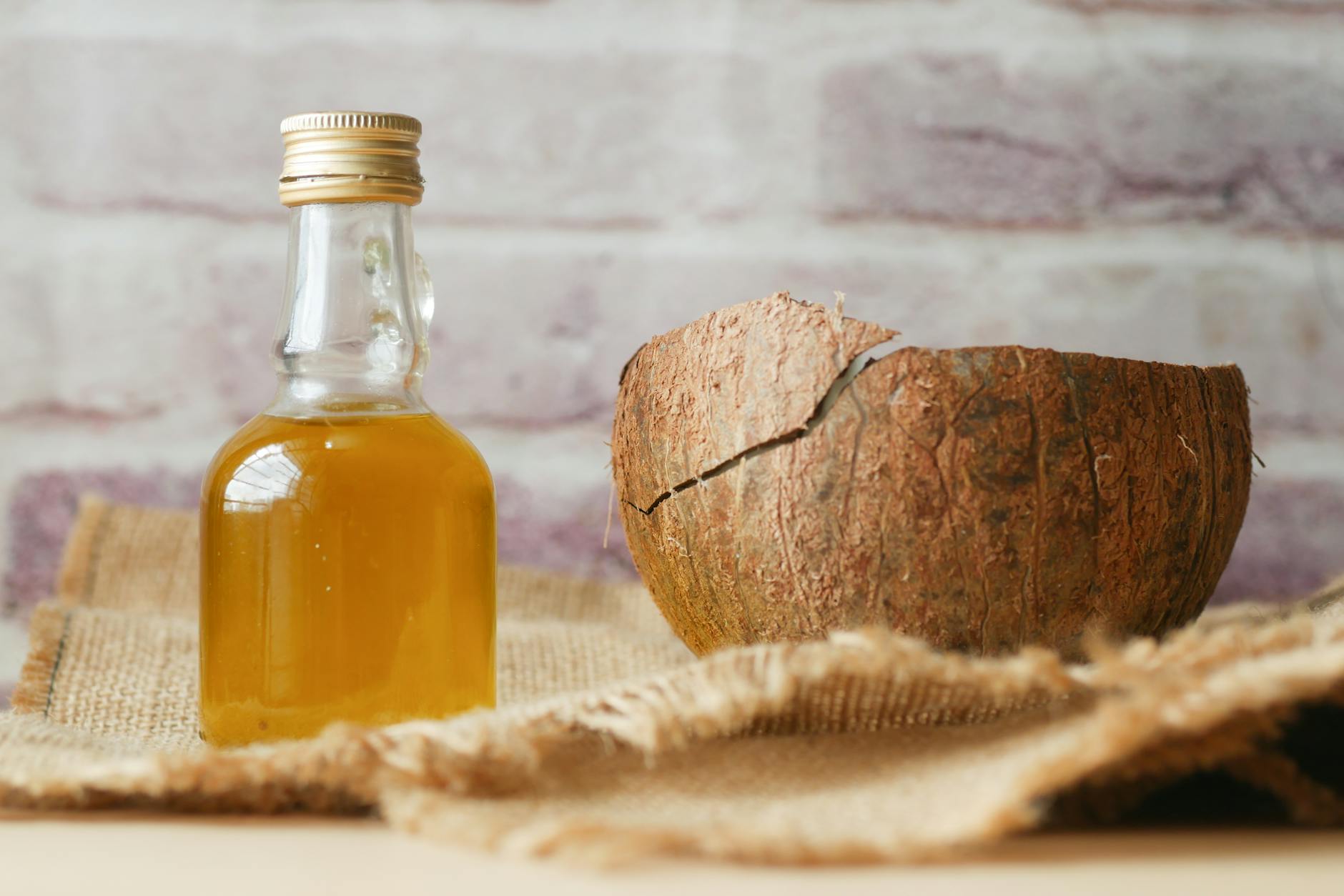
Hydration sits at the center of healthy-looking skin, influencing everything from texture and elasticity to glow and aging. When skin lacks water, it appears dull, tight, and more prone to irritation and fine lines. Among the most talked-about hydrating ingredients, coconut oil and hyaluronic acid are often treated as interchangeable, yet they function very differently on the skin. One is a traditional, oil-based occlusive with roots in natural skincare, while the other is a modern humectant backed by decades of dermatological research. Understanding how each works — and when each makes sense — is key to choosing hydration that actually delivers results rather than temporary relief.
How Coconut Oil Hydrates And Why It Feels Immediately Comforting
Coconut oil hydrates by coating the surface of the skin and sealing in existing moisture. Rich in fatty acids like lauric acid, it softens the skin quickly and reduces transepidermal water loss by forming a protective barrier. This is why it feels instantly soothing on dry or compromised skin. However, coconut oil does not add water to the skin; it simply traps what is already there. Its larger molecular structure limits penetration, meaning hydration remains superficial. For some skin types, especially those prone to congestion, this occlusive layer can trap debris and oil alongside moisture, which explains why coconut oil works beautifully for some and poorly for others.

Where Coconut Oil Excels And When It Becomes A Problem
Coconut oil shines in situations where the skin barrier is compromised, such as after sun exposure, shaving, or environmental stress. It can be useful for lips, cuticles, body skin, and targeted dry patches where pore congestion is less of a concern. On facial skin, however, its comedogenic nature makes it risky for oily, acne-prone, or combination skin. While it may initially improve dryness, prolonged use can lead to clogged pores and breakouts. Coconut oil is best viewed as a supportive, situational ingredient rather than a universal hydration solution for the face.
How Hyaluronic Acid Hydrates At A Cellular Level
Hyaluronic acid hydrates by actively drawing water into the skin. As a humectant naturally found in the body, it binds to water molecules and holds up to one thousand times its weight in moisture. When applied topically, it penetrates into the skin and increases hydration within the deeper layers, resulting in improved plumpness and elasticity. Unlike oils, hyaluronic acid adds water rather than sealing it in, which makes it effective even on dehydrated but oily skin. This mechanism is why hyaluronic acid improves texture, softens fine lines, and gives skin a more resilient, healthy appearance over time.
Why Hyaluronic Acid Works For Nearly Every Skin Type
One of hyaluronic acid’s biggest strengths is compatibility. Because it is lightweight, non-greasy, and non-comedogenic, it suits dry, oily, sensitive, and acne-prone skin alike. It hydrates without interfering with natural oil balance, helping skin regulate itself more effectively. Hyaluronic acid also layers well with other skincare ingredients, enhancing their absorption rather than blocking them. Consistent use improves barrier function, reduces irritation, and supports long-term skin health. Rather than creating dependency, it helps skin perform its natural hydration processes more efficiently.
Penetration, Longevity, And The Science Of Lasting Hydration
The key difference between coconut oil and hyaluronic acid lies in penetration and hydration longevity. Coconut oil remains largely on the surface, offering fast comfort but limited long-term impact. Hyaluronic acid penetrates deeper, creating sustained hydration that lasts throughout the day when properly layered. This deeper hydration improves elasticity and smooths fine lines from within, rather than masking dryness temporarily. For anti-aging purposes, sustained hydration is critical, as dehydrated skin exaggerates wrinkles and texture. From a structural perspective, hyaluronic acid addresses hydration where it matters most.
Choosing The Right Ingredient Based On Skin Goals
Hydration is not one-size-fits-all. Coconut oil can be beneficial for body care, barrier repair, or occasional use on very dry skin that tolerates heavy occlusives well. Hyaluronic acid is better suited for daily facial hydration, especially when the goal is long-term skin health, improved texture, and visible plumpness. For some routines, the two can coexist when used strategically, with hyaluronic acid applied first to hydrate and a light occlusive layered on top to seal moisture in. The difference is intention: one traps moisture, the other creates it.
When comparing coconut oil and hyaluronic acid, the debate is less about which is “better” and more about how hydration works. Coconut oil offers comfort and protection at the surface, while hyaluronic acid delivers deep, functional hydration that supports skin health and aging gracefully. For most people seeking lasting hydration and visible improvement in skin quality, hyaluronic acid is the more effective and reliable choice.
This post is for informational purposes only and isn’t a substitute for professional medical guidance. As an Amazon Associate, I earn from qualifying purchases – at no cost to you!
Leave a Reply