
Drugstores have quietly become one of the most powerful forces in modern skincare. What was once seen as a budget-only alternative now houses some of the most dermatologist-tested, research-backed brands in the industry. Advances in formulation science, ingredient transparency, and consumer demand have shifted innovation away from exclusivity and toward accessibility. Today’s drugstore shelves offer gentle cleansers, barrier-repair moisturizers, retinoids, and advanced hydrators that rival — and often outperform — products found at luxury beauty counters. Understanding why drugstore skincare works starts with recognizing how science, scale, and clinical testing have reshaped the category.
Why Drugstores Became A Skincare Powerhouse
Drugstores sit at the intersection of medical science and consumer beauty, which uniquely positions them to deliver results-driven skincare. Many brands stocked in drugstores are developed alongside dermatologists, pharmacists, and clinical researchers, prioritizing safety, efficacy, and tolerability over trend cycles. Because these products are sold at scale, formulations are refined repeatedly based on real-world feedback. This constant iteration leads to stable, effective products designed for daily use across diverse skin types. Rather than chasing novelty, drugstore skincare focuses on reliability, which is why it has earned lasting trust from professionals and consumers alike.
Cetaphil And The Science Of Barrier Protection
Cetaphil built its reputation on one core principle: protect the skin barrier first. Its formulas are intentionally minimal, avoiding common irritants while supporting the lipid matrix that keeps skin hydrated and resilient. By reducing surfactant harshness and maintaining skin-friendly pH levels, Cetaphil products cleanse without triggering inflammation. This approach makes them especially effective for sensitive, compromised, or post-procedure skin. Barrier science has become central to modern skincare, and Cetaphil helped set that standard long before it became a trend.
Neutrogena And Clinical Ingredient Innovation
Neutrogena bridges cosmetic elegance with pharmaceutical-level testing. The brand is known for investing heavily in ingredient research, particularly around actives like hyaluronic acid, retinoids, and sunscreen filters. Its hydrating gels, acne treatments, and sun protection formulas are designed to absorb efficiently and perform consistently under daily conditions. Neutrogena’s success lies in translating complex dermatological research into user-friendly textures that deliver measurable results without requiring a prescription or luxury markup.
Olay And The Long Game Of Anti-Aging Science
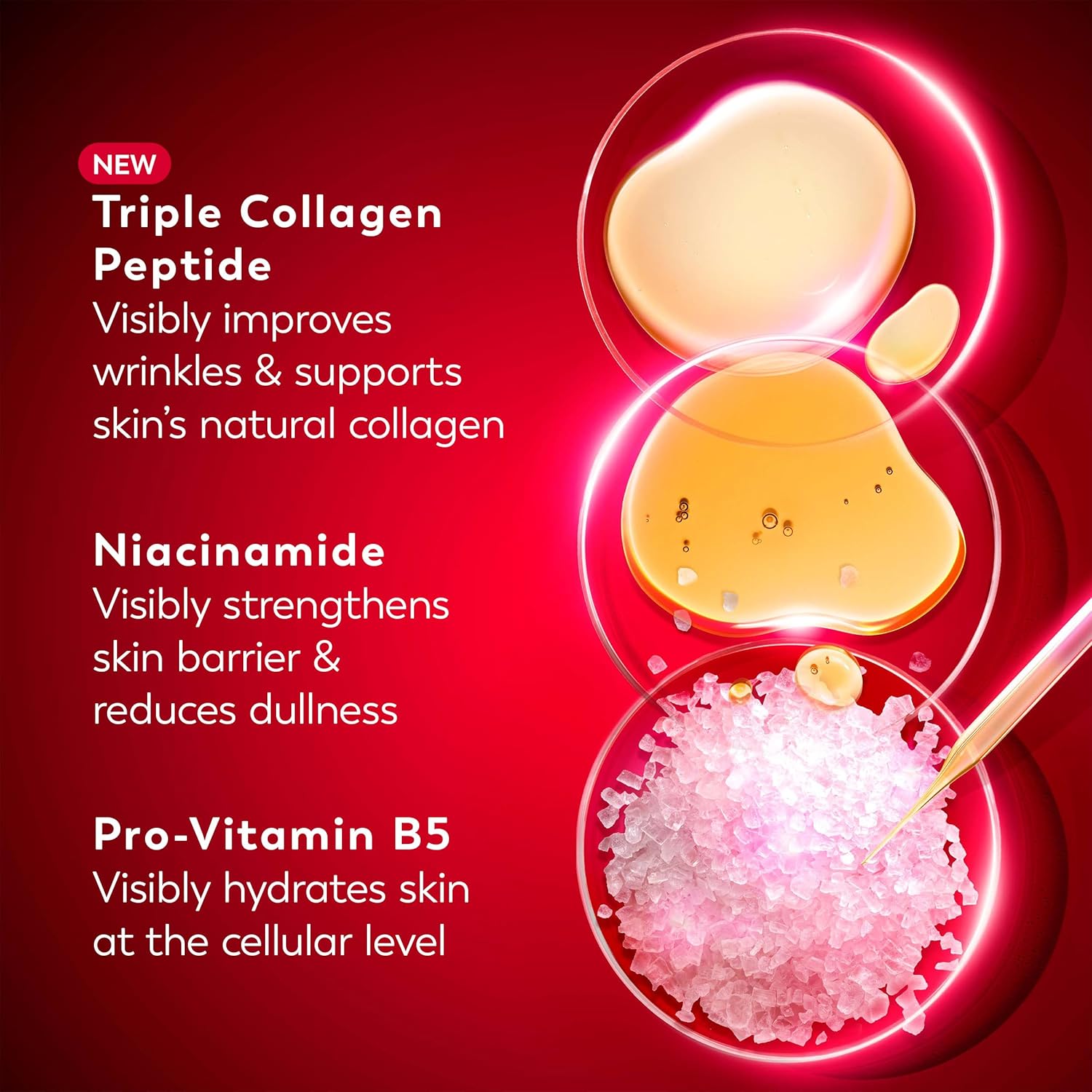
Olay has quietly spent decades studying how skin ages at a cellular level. Its formulations focus on peptides, niacinamide, and stabilized actives that support collagen function and skin elasticity over time. Rather than promising instant transformation, Olay products are designed for cumulative benefit, improving skin quality with consistent use. This long-term strategy mirrors how dermatology approaches aging — gradual intervention, barrier support, and cellular communication — making Olay a staple for those prioritizing evidence over hype.
La Roche-Posay, Vichy, And Medical-Grade Drugstore Care
La Roche-Posay and Vichy represent the medical side of drugstore skincare. Built around mineral-rich thermal waters, these brands focus on inflammation reduction, microbiome balance, and barrier resilience. Their products are frequently recommended for conditions like acne, rosacea, eczema, and post-treatment recovery. Rigorous clinical testing and conservative formulations make them effective without overwhelming the skin. This medical-adjacent positioning explains why they are trusted in clinical settings while remaining accessible at everyday retailers.
Natural-Forward Brands And Ingredient Transparency
Aveeno, Garnier, and Burt’s Bees show how drugstores adapted to consumer demand for plant-based and sustainability-minded skincare. Colloidal oatmeal, micellar technology, and responsibly sourced botanicals are paired with clinical testing to ensure performance. These brands succeed because they blend natural ingredients with formulation science, avoiding the false choice between “clean” and effective. Drugstores offer space for transparency without sacrificing regulatory oversight or quality control.
Retinol, Actives, And Why Drugstores Excel At Results
RoC and L’Oréal Paris demonstrate how advanced actives thrive at the drugstore level. Retinol stabilization, controlled delivery systems, and irritation-reducing buffers allow powerful ingredients to be used safely by a wide audience. Drugstore brands often outperform luxury counterparts here because they focus on functional concentrations rather than marketing mystique. The result is visible improvement in texture, tone, and fine lines through formulas designed for long-term adherence rather than short-term excitement.
Why Drugstore Skincare Is Designed For Real Life
Drugstore products are formulated with daily use in mind. They must work under makeup, in varied climates, across age groups, and alongside prescription treatments. This practicality influences texture, absorption, and ingredient balance in ways luxury products often overlook. Because accessibility matters, these products are less likely to rely on fragrance, novelty extracts, or destabilizing actives. Instead, they emphasize compatibility, predictability, and skin tolerance — qualities that matter far more than packaging when it comes to long-term skin health.
Drugstore skincare has evolved into one of the most scientifically grounded segments of the beauty industry. With dermatology-driven brands, clinically tested ingredients, and formulations refined through real-world use, drugstores now offer solutions that are both effective and attainable. The shift is not about lowering standards, but raising them — proving that good skincare doesn’t need exclusivity to deliver results, just science, consistency, and thoughtful formulation.
This post is for informational purposes only and isn’t a substitute for professional medical guidance. As an Amazon Associate, I earn from qualifying purchases – at no cost to you!
Leave a Reply