
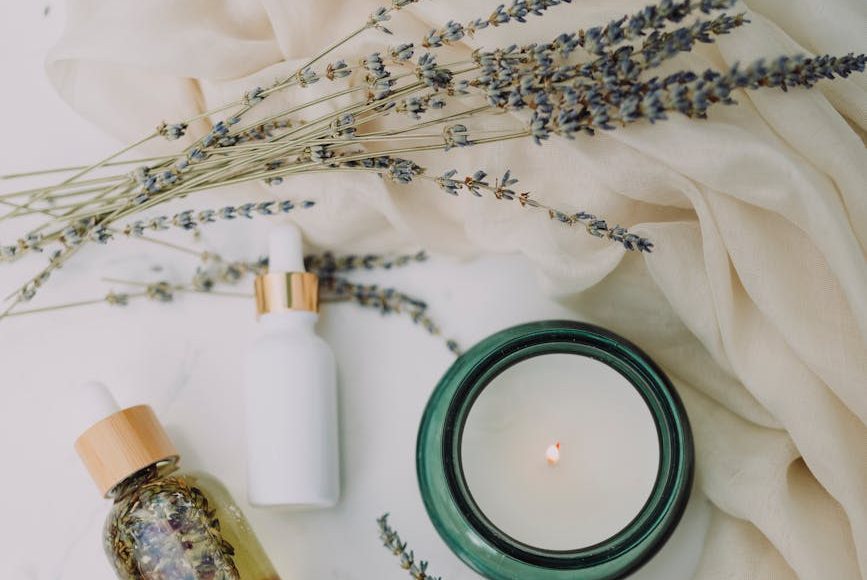
Lavender has long been associated with calm, cleanliness, and comfort, but its reputation is not built on fragrance alone. This small purple flower has been used for centuries across medicine, beauty, and daily life because of its measurable effects on the brain, skin, and nervous system. From ancient Roman bathhouses to modern dermatology labs, lavender has endured because it works. Today, research continues to uncover how lavender’s chemical compounds interact with human biology, explaining why this plant remains a staple in sleep aids, skincare, and wellness rituals around the world.
What Lavender Is And Why Humans Respond To It
Lavender, botanically classified under the Lavandula genus, belongs to the mint family and produces aromatic flowers rich in volatile compounds. These compounds, including linalool and linalyl acetate, are responsible for lavender’s distinctive scent and biological activity. Humans respond strongly to lavender because these molecules interact directly with the olfactory system, which has a direct pathway to brain regions involved in emotion, memory, and stress regulation. This neurological shortcut explains why lavender can change mood and physiological state quickly, without digestion or absorption through the bloodstream.

How Lavender Oil Is Cultivated And Extracted
Lavender thrives in dry, sunny climates with well-drained soil, which is why regions like southern France, Bulgaria, and parts of the western United States dominate production. Harvest timing matters because essential oil concentration peaks when flowers are fully open. Steam distillation is the primary extraction method, where heat releases volatile compounds that are then condensed into oil. This process preserves lavender’s active molecules without requiring chemical solvents. The resulting oil is highly concentrated, meaning even small amounts carry biological activity, which is why dosing and formulation matter in lavender-based products.
Why Lavender Has A Measurable Effect On Sleep
Lavender’s reputation as a sleep aid is supported by neuroscience. Inhalation of lavender has been shown to reduce sympathetic nervous system activity while enhancing parasympathetic dominance, which is the state required for sleep. Linalool interacts with GABA receptors in the brain, promoting relaxation and reducing neural excitability. This mechanism helps shorten sleep onset time and improve sleep depth without sedation. Rather than forcing sleep, lavender supports the nervous system’s natural transition into rest, which explains why it feels calming rather than heavy or drug-like.
Lavender And The Science Of Stress Reduction
Stress activates the hypothalamic-pituitary-adrenal axis, increasing cortisol and adrenaline. Lavender exposure has been shown to blunt this response by lowering cortisol levels and reducing heart rate variability associated with stress. Functional imaging studies suggest lavender reduces activity in brain regions linked to fear and threat detection. This makes lavender particularly useful for chronic stress states where the nervous system struggles to downshift. Its effects are subtle but cumulative, helping regulate baseline stress rather than masking it temporarily.
How Lavender Interacts With Skin Biology
Lavender’s benefits in skincare extend beyond scent. Its antimicrobial properties help inhibit bacteria associated with acne, while its anti-inflammatory effects reduce redness and irritation. Lavender also exhibits antioxidant activity, protecting skin cells from oxidative stress triggered by pollution and UV exposure. These combined effects make it useful for compromised, inflamed, or acne-prone skin when formulated correctly. However, concentration matters, as pure essential oil can be irritating if not properly diluted, highlighting the importance of formulation science in skincare products.
Why Lavender Appears In Modern Skincare Formulas
Many skincare brands include lavender not as a filler ingredient, but for its functional role in calming skin and supporting overnight repair. Products like Kiehl’s Midnight Recovery Concentrate use lavender oil to support relaxation during sleep while pairing it with barrier-repair ingredients. L’Occitane integrates lavender into body care to reduce skin stress and dryness, while Mario Badescu incorporates lavender into facial sprays to calm irritation and support hydration. These formulations rely on controlled concentrations to harness benefits without overwhelming the skin.
Lavender Beyond Beauty And Wellness
Lavender’s usefulness extends into food, home, and environmental applications. In culinary contexts, small amounts of lavender add aromatic complexity to baked goods, teas, and syrups through its essential oils. In home environments, lavender sachets and diffusers deter insects while creating a calming atmosphere. Its antimicrobial properties also make it useful in natural cleaning products, where it contributes both scent and function. These applications reflect the same chemistry at work across systems, demonstrating how lavender’s compounds remain effective in diverse contexts.
Why Lavender Continues To Matter Today
Lavender has endured not because of tradition alone, but because its effects are reproducible and biologically relevant. It interacts with the nervous system, skin, and immune response in measurable ways, offering support rather than override. As modern life increases stress, sleep disruption, and skin sensitivity, lavender remains relevant because it works with the body instead of against it. Its continued presence in science-backed products reflects not nostalgia, but evidence.
Lavender may look delicate, but its impact is anything but small. From improving sleep quality and reducing stress to supporting skin health and daily comfort, this plant’s power lies in chemistry refined by nature and validated by research. When used thoughtfully, lavender remains one of the most versatile and effective botanicals available, proving that sometimes the simplest ingredients carry the most influence.
This post is for informational purposes only and isn’t a substitute for professional medical guidance. As an Amazon Associate, I earn from qualifying purchases – at no cost to you!
Leave a Reply