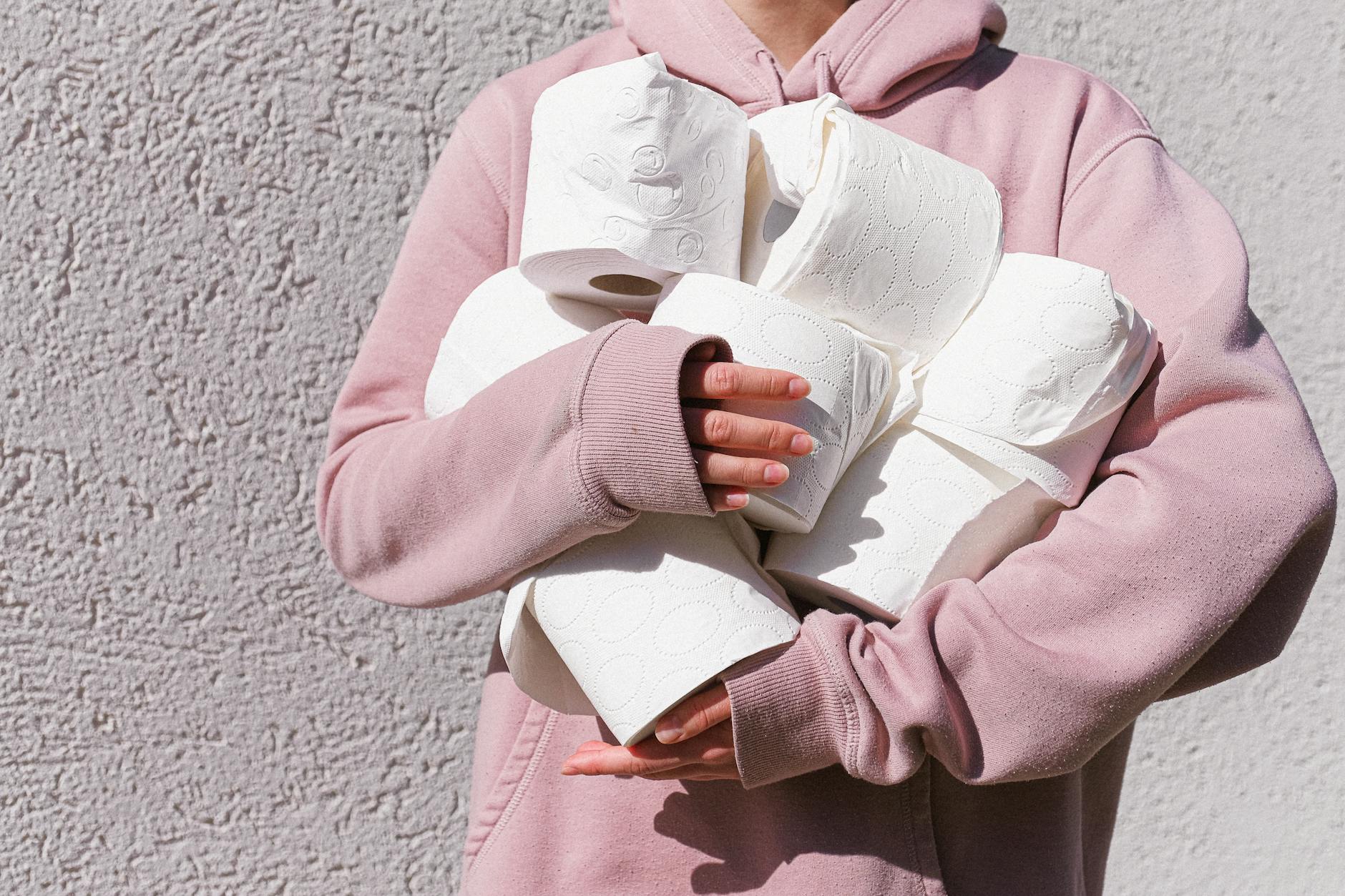
Toilet paper is one of the most-used household products, yet most people choose it based on habit, price, or marketing buzz rather than performance and composition. The best toilet paper for everyday use isn’t about luxury or sensitivity claims—it’s about strength, texture, efficiency, and avoiding unnecessary chemical additives. When you understand what actually affects comfort and function, choosing the right option becomes much simpler.
Why Toilet Paper Choice Matters More Than People Realize
Toilet paper comes into frequent contact with skin and is used repeatedly every single day, which means small differences in texture and strength can add up over time. Even people with completely normal skin can experience discomfort if toilet paper is overly rough, overly thick, or prone to breaking apart. Poor-quality toilet paper often forces you to wipe more aggressively or use more sheets, increasing friction rather than improving cleanliness. A well-made toilet paper reduces effort, works efficiently, and minimizes unnecessary rubbing. This isn’t about luxury—it’s about function. When toilet paper does its job properly, it quietly supports hygiene without demanding extra pressure, extra wipes, or extra attention.

Softness Versus Strength: Why Extreme Plush Isn’t Always Better
Marketing often equates softness with quality, but ultra-plush toilet paper can actually work against you. Extremely soft papers tend to shed fibers, compress too easily, or lose structural integrity during use. This can result in residue left behind or tearing at the worst moment, leading people to compensate by using more paper. On the other hand, paper that is too thin or stiff can feel abrasive and ineffective. The sweet spot for most households is moderate softness paired with dependable strength. A balanced two-ply or light three-ply paper that holds together during wiping allows for fewer passes and more effective cleaning, which ultimately feels better than exaggerated softness.
Ply Count, Thickness, and Wipe Efficiency
Ply count is often misunderstood as a quality indicator, but more layers don’t necessarily mean better performance. Thicker toilet paper can bunch, reduce control, and increase pressure against the skin, which defeats the purpose of added padding. Efficient wiping comes from paper that glides smoothly and maintains its structure, not from excessive bulk. A well-engineered toilet paper distributes pressure evenly across its surface, allowing it to clean effectively without forcing repeated wiping. For everyday users, efficiency matters more than indulgence. The best toilet paper is the one that gets the job done with minimal effort, minimal waste, and minimal thought afterward.
Common Chemicals Found in Toilet Paper
Most conventional toilet paper undergoes heavy processing to achieve a bright white appearance and uniform texture. Bleaching is often done using chlorine or chlorine-derived compounds, which leave trace byproducts even after manufacturing. While these are regulated, many people prefer to avoid unnecessary chemical exposure in a product used so frequently. Fragrances are another common addition, added purely for marketing appeal rather than function, and they can leave lingering residue. Some papers also include lotions or softening agents, which introduce preservatives and synthetic compounds. For everyday use, toilet paper without added fragrance, dyes, or coatings typically performs just as well without extra ingredients you don’t need.
Recycled and Bamboo Toilet Paper: How They Compare
Modern recycled toilet paper has improved dramatically in both texture and durability. High-quality recycled options are smoother than they used to be and are often processed with fewer bleaching agents than conventional paper. Bamboo toilet paper has also become popular because bamboo fibers are naturally long and strong, allowing for softness without excessive chemical treatment. Both options focus on fiber integrity rather than surface coatings. For most regular users, recycled or bamboo toilet paper provides a comfortable, reliable experience while avoiding unnecessary processing steps. These materials demonstrate that effective toilet paper doesn’t require heavy treatment to perform well.
What to Look for When Buying Toilet Paper for Everyday Use
For most people, the best toilet paper is straightforward and functional. Look for unscented paper with no added lotions, moderate ply, and strong fiber structure. The paper should feel smooth without being slippery or overly plush and should hold together during use without shredding. Bright white color, exaggerated thickness, and fragrance don’t improve cleanliness—they usually reflect additional processing. A good rule of thumb is this: the less noticeable your toilet paper is during use, the better it’s doing its job. Comfort, efficiency, and simplicity beat marketing claims every time.
Why Simplicity Wins for Long-Term Comfort
Toilet paper doesn’t need to promise luxury, spa-like experiences, or miracle softness. Its role is practical, and the best products embrace that. Over time, consistent use of well-balanced toilet paper reduces friction, waste, and irritation simply by working efficiently. Choosing a simple, well-constructed option supports everyday hygiene without overthinking it. When you stop chasing extremes—too soft, too thick, too treated—you often end up with a better experience overall. In the end, the best toilet paper is the one that works quietly in the background, doing exactly what it’s meant to do, every single day.
This post is for informational purposes only and isn’t a substitute for professional medical guidance. As an Amazon Associate, I earn from qualifying purchases – at no cost to you!
Leave a Reply