
This post contains affiliate links. As an Amazon Associate, we may earn from qualifying purchases at no extra cost to you.
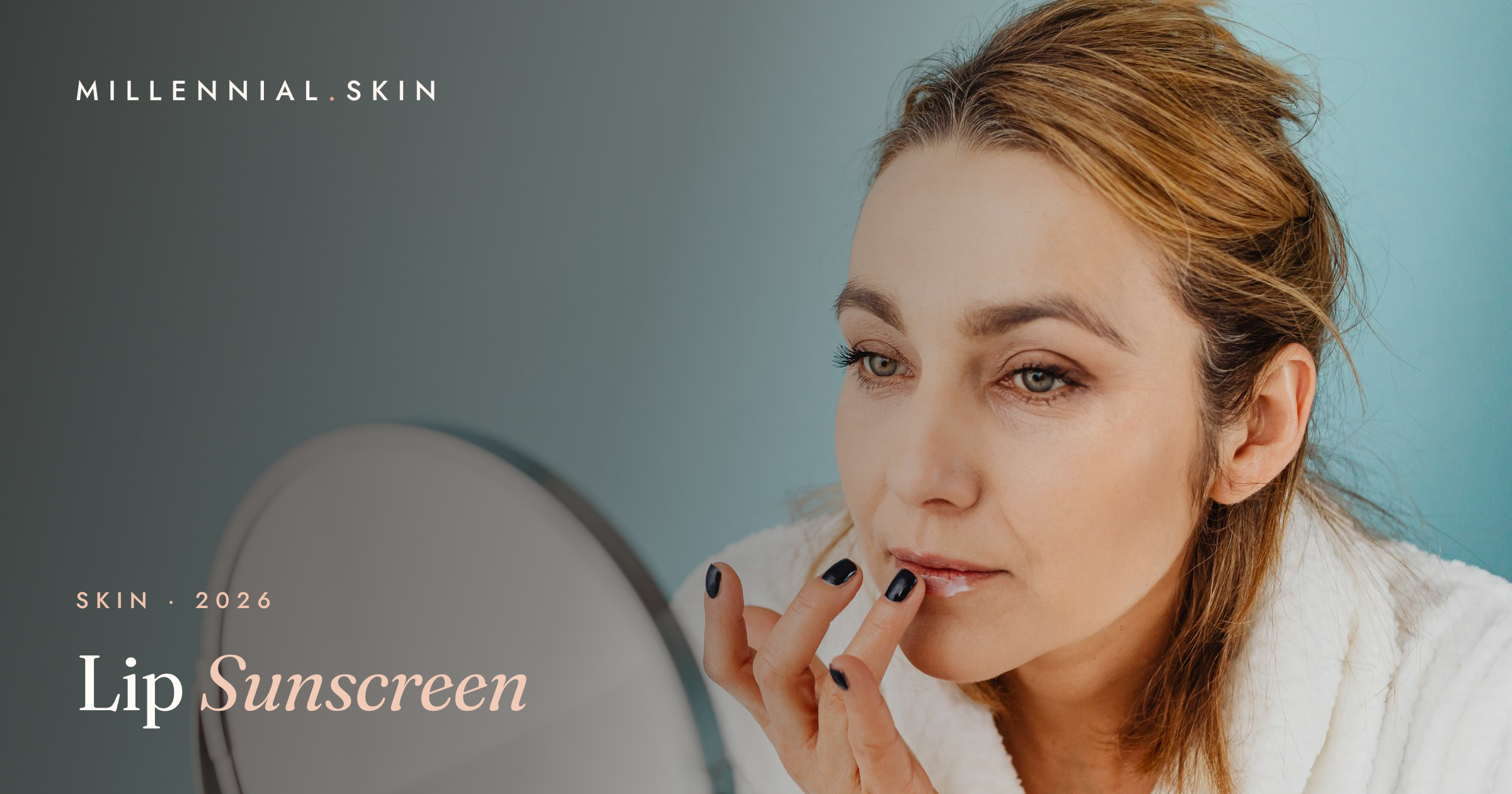
You slather SPF on your face, dab it under your eyes, maybe even remember the tops of your ears — and then you leave your lips completely bare. It’s the single most-forgotten step in almost everyone’s sun routine, and it matters more than you’d think. Lips have some of the thinnest, most vulnerable skin on your whole body, they make barely any protective pigment of their own, and the lower lip in particular is a genuine hotspot for sun damage. Lip sunscreen has finally graduated from “nice extra” to non-negotiable, and the good news is that protecting your pout is as easy as swapping one product in your bag.
Why do lips need sunscreen?
Your lips need sunscreen because they’re structurally one of the least sun-ready parts of your body. The skin there is extremely thin and has almost no melanin — the pigment that gives the rest of your skin at least a little built-in UV defense — so ultraviolet rays reach the delicate tissue with very little to stop them. On top of that, lips have no oil glands, so they dry out, chap, and burn faster than the skin around them. Over years, that unprotected exposure adds up: it accelerates fine lines and loss of that plump, defined lip border, and it raises the risk of something far more serious. The lower lip faces the sun more directly than almost any other spot on the face, which is exactly why it’s a common site for sun-related skin cancers. A little daily SPF is cheap insurance for tissue that’s genuinely hard to repair.
Does regular lip balm have SPF?
Most of the time, no. A standard hydrating lip balm seals in moisture and soothes chapping, but unless the label specifically says “SPF” followed by a number, it offers essentially zero UV protection. This is where so many people get caught out — they assume that because their lips feel coated and comfortable, they’re covered. They’re not. Feeling moisturized and being sun-protected are two completely different things. If you want both, you need a balm that’s formulated with actual sunscreen filters, not just shea butter and beeswax. The fix is simple: check whether your everyday balm lists an SPF value, and if it doesn’t, keep it for nighttime and reach for a dedicated SPF lip balm during the day.
What’s the difference between SPF, tinted, and regular balm?
Not all lip balms do the same job, and knowing which is which keeps you from assuming you’re protected when you aren’t. Use this quick cheat sheet the next time you’re deciding what to toss in your bag.
| Type of balm | What it actually does |
|---|---|
| Regular lip balm | Moisturizes and soothes chapping — but offers no UV protection unless it lists an SPF number. |
| SPF lip balm | Hydrates and shields against UVA/UVB rays; the daytime default your lips have been missing. |
| Tinted SPF lip balm | All the sun protection of an SPF balm plus a wash of color — the easy two-in-one for busy mornings. |
What SPF should lip sunscreen be?
Aim for at least SPF 30, and don’t be shy about going higher. Dermatologists generally recommend a minimum of SPF 30 for daily use, which blocks around 97 percent of UVB rays, and SPF 50 for long days outdoors, beach trips, or high-altitude activities like hiking and skiing where UV exposure spikes. Just as important as the number is making sure your lip product is broad spectrum, meaning it defends against both UVA rays (the ones tied to aging and long-term damage) and UVB rays (the ones that cause burning). An SPF value alone only tells you about UVB — the “broad spectrum” label is what confirms you’re getting the full shield. A lip balm SPF 30 is a smart everyday floor, with an SPF 50 formula reserved for your most sun-intense days.
Should you choose mineral or chemical lip sunscreen?
Both types work, and the right pick mostly comes down to your skin and your preferences. Mineral lip sunscreens use zinc oxide or titanium dioxide to physically sit on the surface and deflect UV rays; they’re a favorite for sensitive skin, tend to be gentle, and start working the moment you apply them. The trade-off is that they can leave a faint whitish cast, though many modern tinted formulas cancel that out nicely. Chemical filters absorb into the top layer and convert UV into heat; they often feel lighter and more invisible but can occasionally sting if they migrate onto very chapped lips. Because your lips inevitably end up ingesting a little of whatever you put on them, a lot of people lean toward a mineral lip sunscreen for peace of mind. If you want to go deeper on how these two families differ across your whole routine, our guide to chemical vs. physical sunscreen breaks it all down.
How often do you reapply lip sunscreen?
Reapply at least every two hours when you’re outside, and immediately after anything that wipes the product off. That “anything” is the catch with lips: eating, drinking, licking, kissing, and even talking all remove your SPF far faster than it comes off the rest of your face. So while the every-two-hours rule holds as a baseline, in practice you’ll want to reswipe after every meal, every coffee, and every time you dab your mouth with a napkin. Keep a balm in your bag, one at your desk, and one in the car so reapplication is frictionless — the sunscreen you actually reach for beats the one you left at home. On the beach or the slopes, treat reapplication as a habit rather than an afterthought, because lips get a double dose of UV from sand, water, and snow bouncing light right back up at them.
How do you build lip SPF into your routine?
The trick is stacking it into things you already do so you never have to remember it as a separate task. In the morning, apply your lip SPF right after your regular sunscreen and before lipstick or gloss — think of it as the primer step. If you wear color, layer a tinted SPF balm underneath, or choose a tinted sunscreen balm that does both jobs at once. For sun-intense days, prep with a hydrating lip mask the night before so your lips go into the day smooth rather than cracked, since sunscreen glides on more evenly over healthy skin. And don’t forget that sun protection isn’t only about what you apply — a wide-brim hat and staying in the shade during peak hours take pressure off every product you use. Lip care and body care go hand in hand; the same “protect the thin, exposed skin” logic shows up in our take on caring for skin in hard-to-reach spots.
Which lip sunscreens do we love?
You don’t need a cabinet full of products to protect your lips — just a couple you’ll actually keep on you. These are the everyday heroes that make lip SPF effortless.
| Product | Why we like it |
|---|---|
| SPF lip balm | The everyday essential — hydrates and shields in one swipe, so your daytime balm finally pulls its weight. |
| Tinted SPF lip balm | Sun protection plus a hint of color — the two-in-one that replaces both your gloss and your lip SPF. |
| Mineral lip sunscreen | Zinc- or titanium-based and gentle, ideal for sensitive lips and anyone who’d rather avoid chemical filters. |
| Lip balm SPF 30 | A broad-spectrum floor for daily wear — enough protection for errands, commutes, and everyday outdoor time. |
| Hydrating lip mask | The overnight prep step that keeps lips smooth so SPF applies evenly and sun damage has less to work with. |
Frequently Asked Questions
Do lips really need SPF?
Yes. Lip skin is thin and has almost no melanin to defend against UV rays, and the lower lip is a common site for sun-related skin cancer. A broad-spectrum SPF balm protects tissue that’s genuinely difficult to repair once it’s damaged.
What SPF should my lip balm be?
Look for at least SPF 30 for everyday wear and SPF 50 for long days outdoors, and make sure it says “broad spectrum” so you’re covered against both UVA and UVB rays. The number alone only reflects UVB protection, so that label matters.
How often should I reapply lip sunscreen?
Every two hours outdoors, and right after eating, drinking, or wiping your mouth — all of which remove the product quickly. Keeping a balm in your bag, desk, and car makes frequent reapplication painless.
Is tinted lip balm with SPF as protective as clear?
Yes, as long as it lists the same broad-spectrum SPF value. Tinted formulas give you sun protection and color in one step, and the tint can even help offset the faint white cast some mineral filters leave behind.
Can I just use my face sunscreen on my lips?
You can in a pinch, but dedicated lip products are formulated to hydrate, stay put, and be safe for the small amounts you inevitably ingest. A purpose-made SPF balm is more comfortable and far more likely to stay on through the day.
The takeaway
Lip sunscreen is the easiest upgrade you can make to your sun routine this year — one small swipe that protects some of the most exposed, least defended skin on your body. Reach for a broad-spectrum balm of at least SPF 30, go tinted if you want color and coverage in one, and reapply after every meal and every couple of hours outside. Stash a balm everywhere you’ll need one, and you’ll close the gap almost everyone’s SPF routine has been quietly leaving open.
Leave a Reply