
Ask anyone with curls what went wrong with their routine and they’ll usually blame a product. I’d blame the shopping list. Plenty of us pick everything by curl number, as if 3B were a full diagnosis. Two people with the same spiral can need completely different products without either one doing anything wrong.
Your curl pattern starts before the strand even leaves your scalp. Follicle shape, follicle angle and uneven cell growth all help bend the strand as it forms. Straighter hair tends to grow from rounder, more upright follicles, while curls tend to come from oval or elliptical follicles that curve and sit at an angle. Cells can also grow faster on one side of the strand, which nudges the hair into a bend. So yes, your roots have been doing the most before your styler ever enters the chat.
It’s also completely normal to have a few patterns on one head. A looser nape, tighter crown or one temple that refuses to match the other doesn’t mean your routine is broken. Your follicles aren’t coordinating a group project. Treat sections by what they need instead of forcing your whole head into one rule.
Quick hair lesson, I promise it’s short. Pattern is only one of three things to know. Texture is how wide each strand is (fine, medium or coarse) and it has nothing to do with pattern. Fine coils and coarse waves are both super common. Then there’s porosity, meaning how easily your hair takes in water and holds onto it. High-porosity hair drinks product and dries out fast. Low-porosity hair lets conditioner just sit there on top. Figure out those two and half the hair aisle stops being relevant. If you still want a number, our curl types guide walks through 2A to 4C.
The good news? After that, the basics barely change from head to head. Wash gently, condition more than seems necessary, style on soaking-wet hair and keep brushes away from dry curls. Water breaks temporary hydrogen bonds, so wet curls can be reshaped. As hair dries, those bonds form again in the position the hair is sitting in, which is why clumping early and leaving it alone matters so much. Curls are dry by nature, because all those bends slow your scalp’s oils on their way down, so conditioner is the main event. Wash day itself has its own posts, the curly girl method guide and the wash-and-go guide. This one covers everything around it, through five creators who each get one piece exactly right.
Wash When Your Curls Actually Need It
Most curls do well with a wash somewhere between every three and seven days. Tighter coils can often stretch longer, while fine waves and oily scalps may want a wash sooner. If your hair already runs dry, washing too much can make it feel even drier, so I’d refresh with a little water and leave-in between wash days before starting over.
Porosity is easiest to read by watching how your hair handles water and product. If water beads up and conditioner seems to sit on top, you’re probably dealing with low porosity. If your hair soaks up water fast, dries quickly and frizzes easily, it’s likely high porosity. I’d skip the float test, honestly, because oil and product on the strand can throw it off, so judge on clean hair.
Handle Curls Gently Before They Dry
Dry brushing is usually the fastest route to a fluffy frizz cloud. Detangle when your hair is wet and loaded with conditioner, then use your fingers, a wide-tooth comb or a flexible detangling brush. Start at the ends and work up to the roots so you’re not yanking through every tangle at once.
If your curls still look frizzy after product, they may need more moisture, or they may have been touched too much while drying. Put stylers on soaking-wet hair, not damp hair, then leave it alone until it’s fully dry. Cotton pillowcases and rough towels can add frizz too, so satin at night and a microfiber towel or old T-shirt for drying can make a visible difference.
Give a new routine three or four wash days before you judge it. Hair that’s been heat styled or short on moisture for a long time may need a little time to bounce back. Change one product at a time so you can tell what actually helped, and trim off dry, stretched-out ends if you want things to move along faster.
Mask the Mids and Ends
View this post on Instagram
@devacurl / Instagram
Long, dark curls like the ones on @devacurl get thirsty at the bottom first. This deep moisture mask goes on the mids and ends only, which is where curly hair is oldest and driest. Roots get a steady supply of oil from the scalp. Those last few inches have been through every wash, every knot and every long afternoon in the sun.
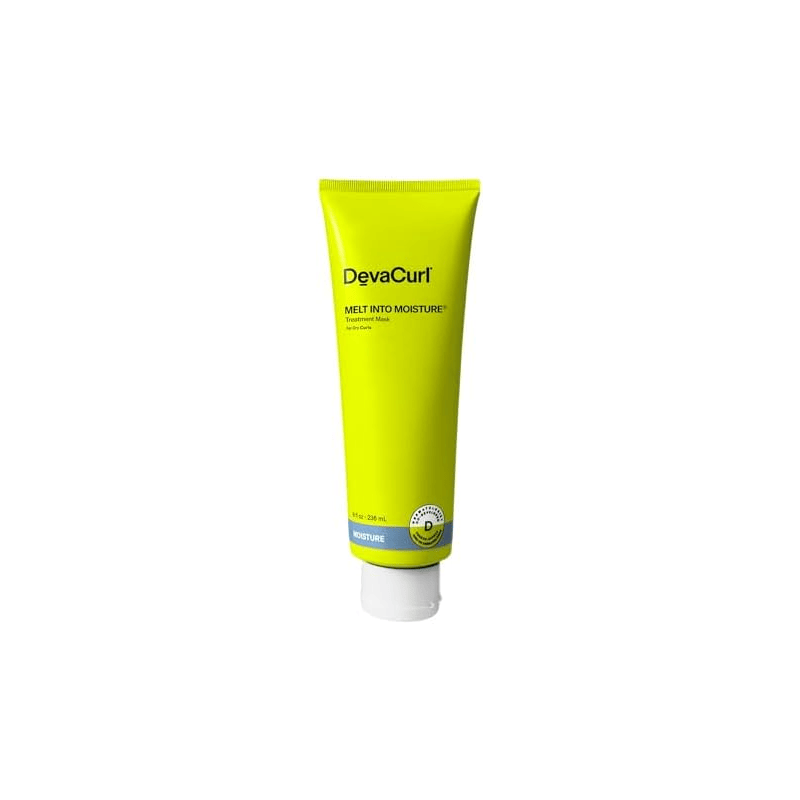
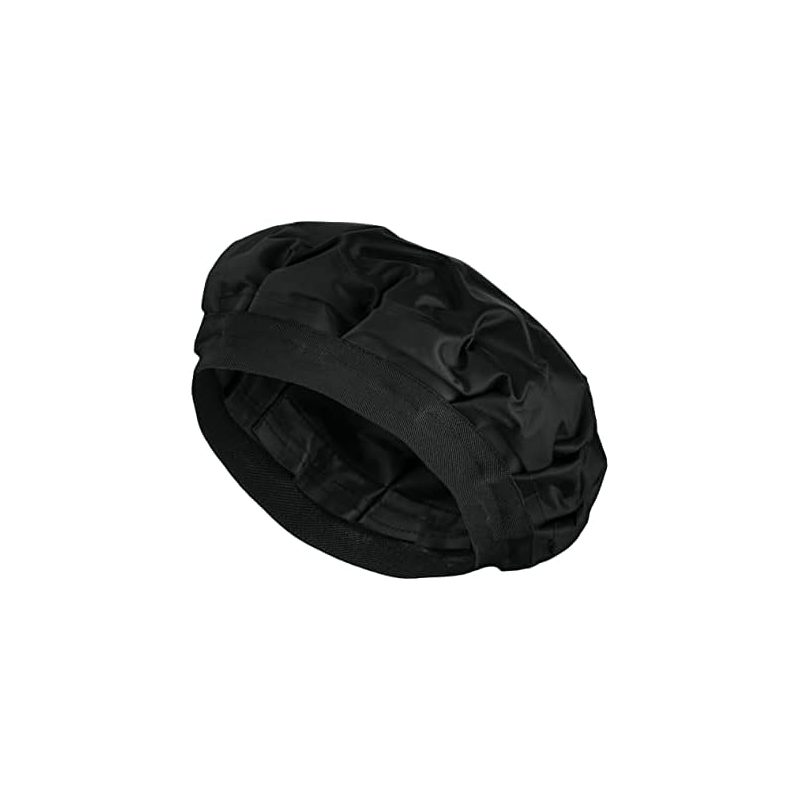
Deep conditioner is thicker than your everyday one and stays on longer, usually somewhere between ten and thirty minutes. Put it on soaking-wet hair after shampoo, rake it through in sections and twist everything up under a plastic cap. Gentle warmth helps it sink in, and Tifara Beauty Cordless Heat Cap makes that easy from the couch. DevaCurl Melt Into Moisture Treatment Mask is a rich mask made to soften dry curls and help knots slide out.
Who needs this most? High-porosity hair, color-treated curls and anything that spent years under a flat iron. Low-porosity hair benefits too but wants less product and a bit more heat, since warmth helps the strand open up and let moisture in.
Once a week is plenty for most heads. Masking every single wash can leave curls limp, too soft and hard to define, a sign of too much moisture. When that happens, skip a week and let a clarifying wash reset things. Detangle while the mask is still in, starting at the ends and working up with fingers or a wide-tooth comb.
The Curly Shag, Cut Curl by Curl
View this post on Instagram
@jennifergarcia.hairco / Instagram
Stylist Jennifer Garcia (@jennifergarcia.hairco) calls her curly shag a whole attitude and I’m sold. Long, dark ringlets reach past the shoulders, curly bangs graze the brows and shorter layers frame the face. Every curl has room to recoil instead of being dragged flat by the weight underneath.
Book someone who cuts curls dry or curl by curl, since that way they see where each one actually sits. Cutting wet with straight-hair rules is how you end up with the dreaded triangle once everything dries and shrinks. Arrive with clean hair styled the way you normally wear it and skip the tight ponytail on the way over. Photos help too, ideally of curls close to your own.
This cut suits medium to thick curls with enough density to fill out the layers. Fine curls can wear one too, with fewer and longer layers so the ends don’t turn thin and wispy. Coils often look best in a rounded shape cut with shrinkage in mind. Any good curly stylist will tell you which way your hair wants to go.
This is also where mixed patterns make total sense. If your nape is looser, your crown is tighter or your hairline has its own agenda, the cut should respect that instead of pretending every section acts the same. You might use a little extra leave-in where hair feels dry, lighter product where it gets flat and more careful detangling where coils are tighter.
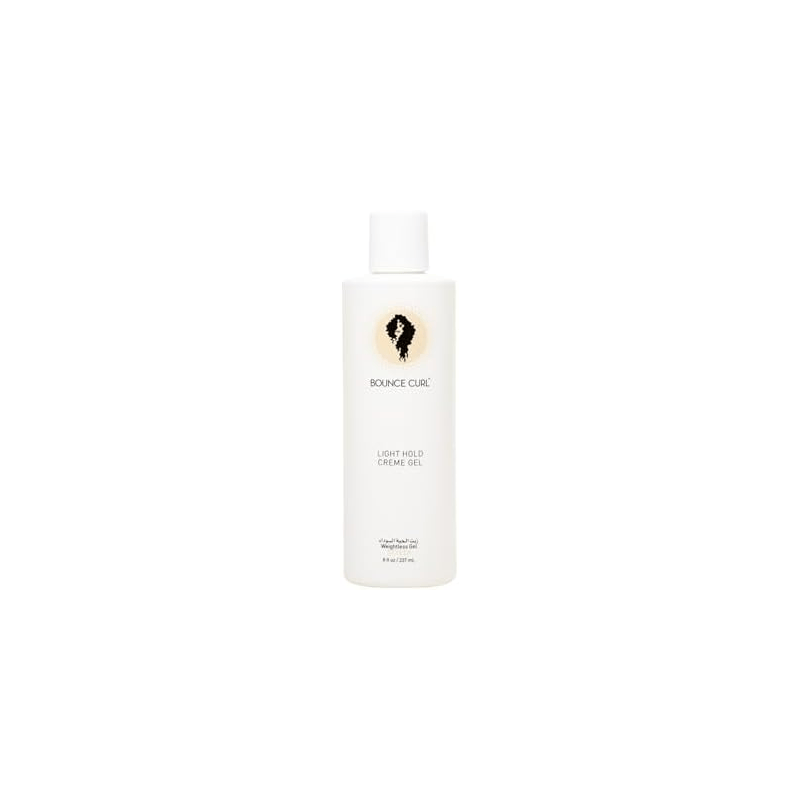
Most curly stylists suggest a trim every few months to keep bangs and layers in shape. Between visits, go light on product so the layers can move. Briogeo Curl Charisma Leave-In Defining Crème is a lightweight leave-in crème with rice amino acids and avocado oil. Bounce Curl Light Hold Creme Gel layers on top for soft definition without crunch.
If you’re thinking about a bigger pattern change, keep the stakes in mind. Perms and relaxers structurally change disulfide bonds inside the hair, so they can’t be reversed like a bad wash day. That’s a licensed-stylist job, not a kitchen experiment.

Curls That Survive a Humid Day
View this post on Instagram
@kylin_alyce / Instagram
Creator @kylin_alyce shows the kind of curls that can handle Alabama humidity and still look defined at the end of the day. Her long, honey-blonde hair holds tidy, separate ripples from root to tip. Looking good when you leave the house is one thing. Still looking good after hours outside is the real test.
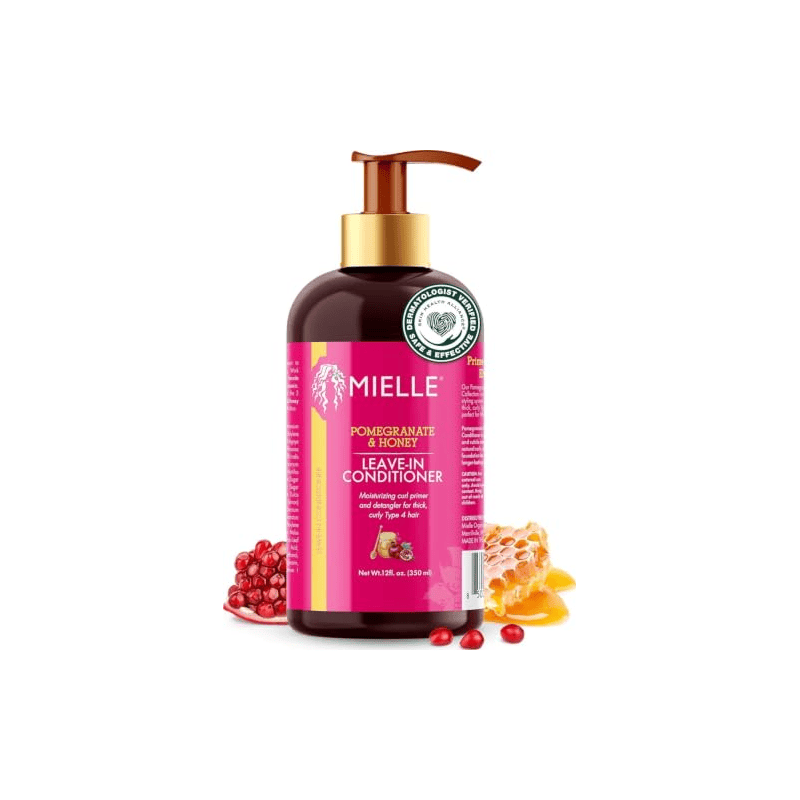
Both of her products are the exact cards below. First comes Mielle Pomegranate & Honey Leave-In Conditioner on soaking-wet hair. That way every strand has moisture before the muggy air goes looking for it. Over that goes Mielle Pomegranate & Honey Curl Defining Mousse, scrunched upward. After that, it’s hands off until the whole head is completely dry.
Wet hair is the flexible window. Water breaks temporary hydrogen bonds, so curls loosen, soften and can be shaped while they’re soaked. As hair dries, those bonds form again in whatever shape the strand is sitting in at that moment. Translation: set your clumps early, then leave them alone until they’re fully dry.
Frizz on a humid day is mostly dry hair pulling water out of the air and swelling. Curls that start out well conditioned have less reason to do that. So the fix is usually more moisture and less touching rather than a heavier product.
Fingers are the biggest frizz culprit, since every pass breaks up clumps that are still setting. Air dry or diffuse on low, then scrunch out any cast only once hair is fully dry. On really sticky days, a gel layered over the mousse adds extra hold (our diffusing guide covers the dryer side).

Protect the Set Before Bed
View this post on Instagram
@mahoganycurls / Instagram
I could stare at the short, glossy finger coil set on @mahoganycurls all day. Every coil sits on its own, bouncy and shiny, framing her face. Sets like that take forever to put in. No wonder she guards it at night, and her routine for that is refreshingly simple.
Plenty of us sleep on plain cotton pillowcases for years without thinking twice. That’s a bad idea for curls. Cotton grabs at them and soaks up moisture while you toss around, where satin and silk just let hair slide. Grace Eleyae Adjustable Satin-Lined Sleep Cap keeps a short set covered without squashing it. Slip Pure Silk Queen Pillowcase is backup for the nights the cap wanders off, because it’ll happen. Longer curls can go up loosely on top of your head with a soft scrunchie, aka the pineapple.
Morning comes and the order matters: roots first. Lift them with your fingertips before you go anywhere near the ends. Flat spots usually bounce back with a light mist of water and a dab of leftover leave-in. Our guide to refreshing curls has more on day-two hair. Coilier hair that drops by lunch might hold longer in a twist-out.
I like satin and silk as the low-drama part of a curly routine. You don’t need a new technique, a full sink reset or twenty minutes you don’t have. You just need to stop roughing up the set while you sleep.


Don't Skip the Scalp
View this post on Instagram
@helenreavey / Instagram
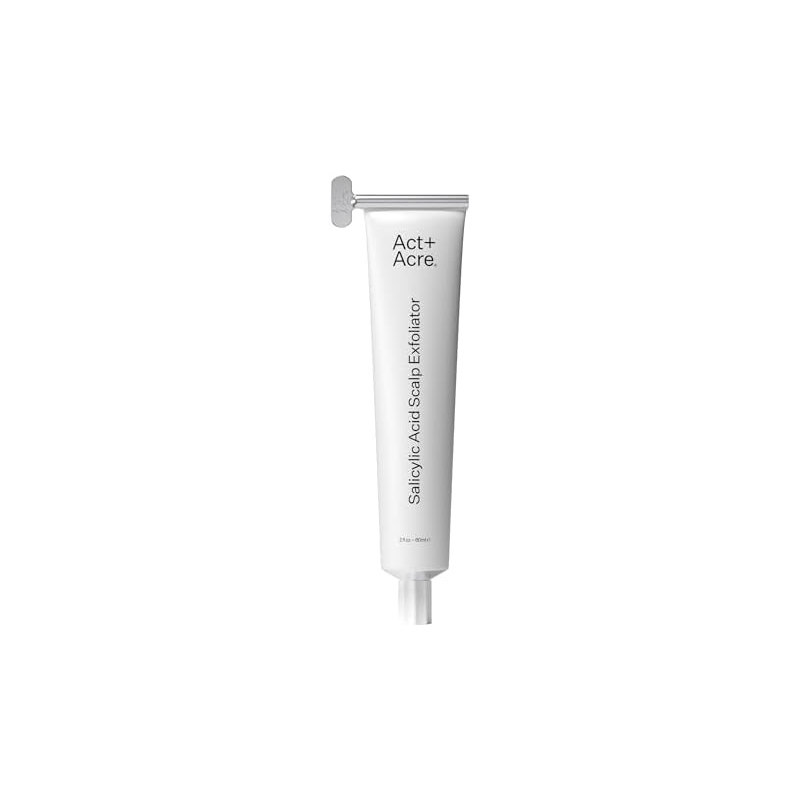
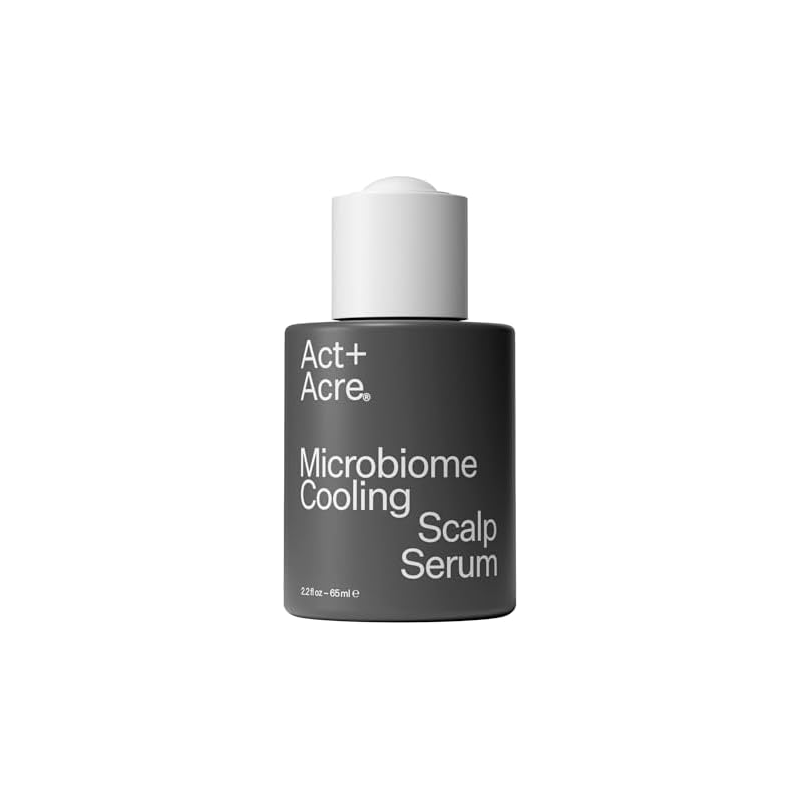
Helen Reavey (@helenreavey) is a trichologist who founded the scalp-care brand Act+Acre. One thing she points out: an irritated, flaky scalp is easy to miss under all that hair. So it gets ignored for a long time. Curly routines make it even more likely, since leave-ins, gels and refresh sprays sit at the roots for days and washing less gives them time to build up.
Her fix is two steps: gentle exfoliant before the shower to lift the flakes, cooling serum after to calm everything down. Her own line covers both. Act+Acre Salicylic Acid Scalp Exfoliator is a weekly pre-wash treatment for buildup, loose flakes and excess oil. Act+Acre Microbiome Cooling Scalp Serum is a no-rinse formula with menthol for itch.
If your scalp gets oily and then flaky between washes, this is very much for you. Dry, tight scalps might only need the serum on itchy days. Seeing persistent redness, sores or sudden shedding is different, though. Go see a dermatologist instead of buying another bottle.
Pattern can shift over time too. Puberty, pregnancy, menopause, chemotherapy and long-term tension from tight styles can all change how hair grows. If the change is sudden or patchy, don’t try to solve it with another styler. That’s dermatologist territory.
Massage products in with the pads of your fingers, never your nails. Keep stylers about an inch off the roots when you can. Every few weeks, a clarifying shampoo clears out whatever the exfoliant missed.
If I had to pick a starting point, it’d be a good cut and a weekly mask. Then go after whatever bugs you most, whether that’s frizz, flat roots or a set that never makes it through the night. Give it a few wash days and your curls will tell you what they like.


