
That tiny drawing of an open jar on the back of your face cream, the one with 6M or 12M or 24M printed beside it, is called a PAO symbol, short for “period after opening.” It tells you how many months a product should stay clean and work well once you break the seal, so the countdown starts the day you open it, not the day it was made or the day you brought it home from Target. That makes it different from an expiration date, which keeps ticking even with the cap on. The symbol is only required in Europe and the UK, which is why so many American products skip it, and when it’s missing, the little batch code stamped on the tube can fill in some of the story.
Why opening the lid starts the clock
A sealed product is pretty stable, since nothing new gets in and the formula hasn’t met the air yet. The moment you open it, that changes.
Air slowly breaks ingredients down, the same way a sliced apple turns brown on the counter, which is why a foundation that looked neutral in month one can lean orange by month ten. Fingers, brushes and a mascara wand going in and out also carry germs into a warm, damp container. Keeping it all on a bathroom shelf makes things worse, because steam and heat help bacteria and mold grow.
Preservatives keep that in check, but every opening uses up a little of their strength. The PAO is the brand’s estimate of how long, with normal use, the product stays clean and works the way it did on day one.
How PAO differs from a true expiration date
A real expiration date, shown as a small hourglass with a date or the words “best used before end of,” goes on products that last less than thirty months, like some preservative-free formulas and certain sunscreens. That date counts down even when the product sits unopened in a drawer.
On paper, a 12M jar sealed in a cupboard for two years is still on day zero of its twelve months. That’s only true on paper, though, because ingredients age a little even when sealed. If a product carries both symbols, go by the expiration date.
Why so much of your makeup has no symbol
European rules made the PAO symbol required on products that last longer than thirty months, and the UK kept that rule after Brexit. The FDA has no such rule, so makeup sold in the US doesn’t have to show a PAO, an expiration date or a manufacture date, and many brands leave them off.
Indie brands, US-only drugstore lines and plenty of online brands skip it. A missing symbol tells you about the label, not the quality of what’s inside.
Sunscreen is the exception. In the US it counts as an over-the-counter drug, so it carries a real expiration date, and tinted SPF and foundations with SPF often fall under that rule too.
Cracking the batch code
Nearly everything has a batch code, a short mix of letters and numbers on the end of a tube, the bottom of a compact or the edge of the box.
Every brand writes these codes its own way. One might use the day of the year plus a digit for the year, while another uses a factory code and a letter for the month. Free lookup sites, with CheckCosmetic and CheckFresh named most often, can decode a few hundred brands and turn the code into a manufacture date. They’re crowdsourced, so treat the answer as a strong hint rather than proof. If your brand isn’t listed, customer service will usually decode it if you email them the code.
Keep in mind that a manufacture date isn’t a PAO. It tells you how old the product was before you opened it, so a sealed mascara made two years ago still gets its full PAO from the day you open it. If the code says four or five years, though, let it go, sealed or not.
How long each kind of makeup usually lasts
These ranges hold up across brands well enough to lean on when a product has no symbol.
| Product | Typical PAO | Why |
|---|---|---|
| Mascara, liquid liner | 3-6 months | A wet formula pumped in and out beside the eye. Shortest window in the bag. |
| Liquid or cream foundation, concealer | 6-12 months | Emulsions separate and oxidize. Pumps outlast open-mouth bottles. |
| Cream blush, cream eyeshadow, balm | 9-12 months | Finger-dipping is the problem, not the formula. |
| Lipstick, lip gloss | 12-18 months | Gloss wands travel back and forth to the mouth; bullets are more forgiving. |
| Pressed powder, blush, bronzer, eyeshadow | 12-24 months | Anhydrous, with no water, so little for bacteria to grow in. Brush hygiene is the limit. |
| Pencils (brow, lip, eye) | 18-36 months | Sharpening exposes a fresh surface each time, close to self-cleaning. |
| Nail polish | 18-24 months | Solvent-based, so nothing grows. It thickens and separates instead. |
PAO is a careful lab estimate, not a cliff the formula falls off at midnight. Brands set it by adding germs to a sample and checking that the preservatives knock them down, and then they leave extra room for the most careless user. This is how that plays out across a makeup bag.
Powder, the most forgiving thing you own
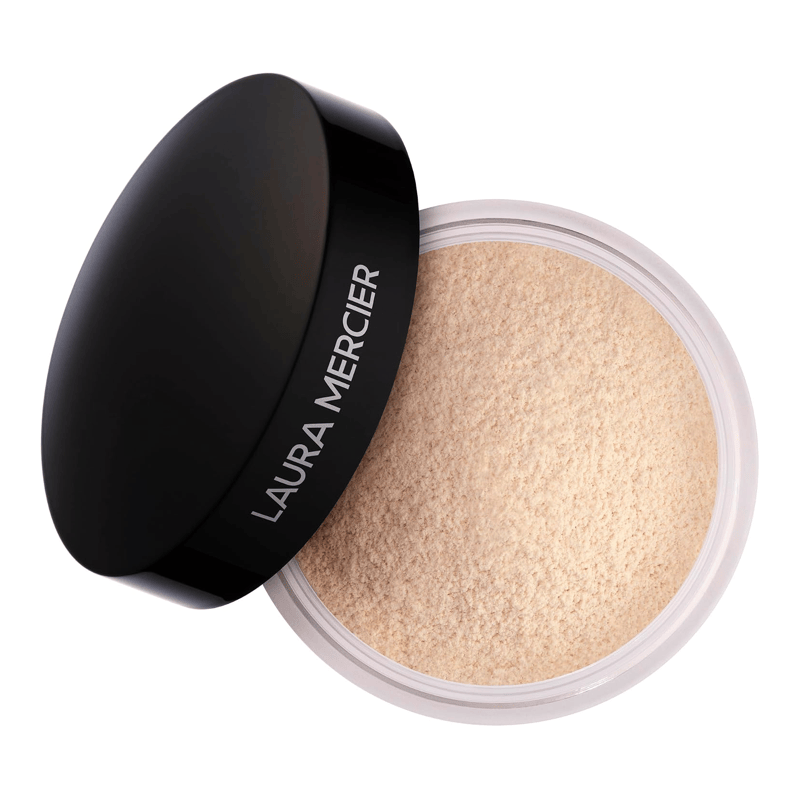
Powders sit at the long end of the shelf because they hold no water for germs to grow in. A pressed eyeshadow that only meets clean brushes, never gets dropped in a damp bag and still blends like new can be fine past 24M. What usually goes wrong is a hard, shiny layer of brush oil on top of the pan, and you can gently scrape that off. A loose powder like Laura Mercier Translucent Loose Setting Powder is a great example. It sets makeup with a soft, blurred finish, and its sifter lid keeps your brush out of the main supply, which helps it last. A powder that rolls around loose in your purse is another story, though, since the compact cracks, the sponge gets grimy and you end up with the makeup bag nobody washes.
A brow pencil that keeps itself fresh
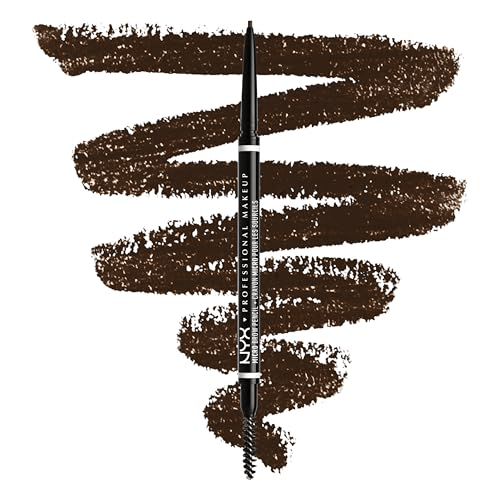
Pencils have the longest life of anything in the bag, because every sharpening or twist shows a fresh surface. The NYX Micro Brow Pencil has an ultra-fine tip for drawing in tiny hair-like strokes, and you can wipe the twist-up tip clean between uses.
Eye products are the ones to take literally
For mascara and liquid liner, follow the number without bargaining. Replace them at three to six months, and sooner if the texture gets stringy or the smell changes. Dermatologists generally advise replacing eye makeup often, since these products touch the delicate, wet surface around your eye every single day.
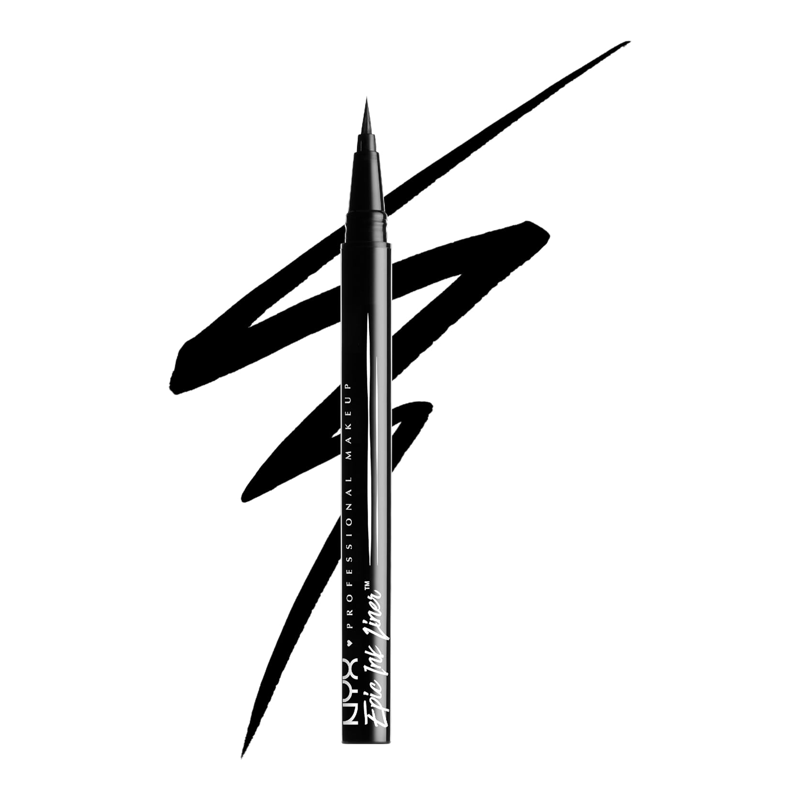
A liner with a felt tip makes this easier, because the tip tends to fray and skip before the formula goes bad, almost like a built-in timer. NYX Epic Ink Liquid Liner is a favorite for sharp wings, with a deep black color and a brush tip that’s easy to control, and the price makes replacing it on schedule painless.
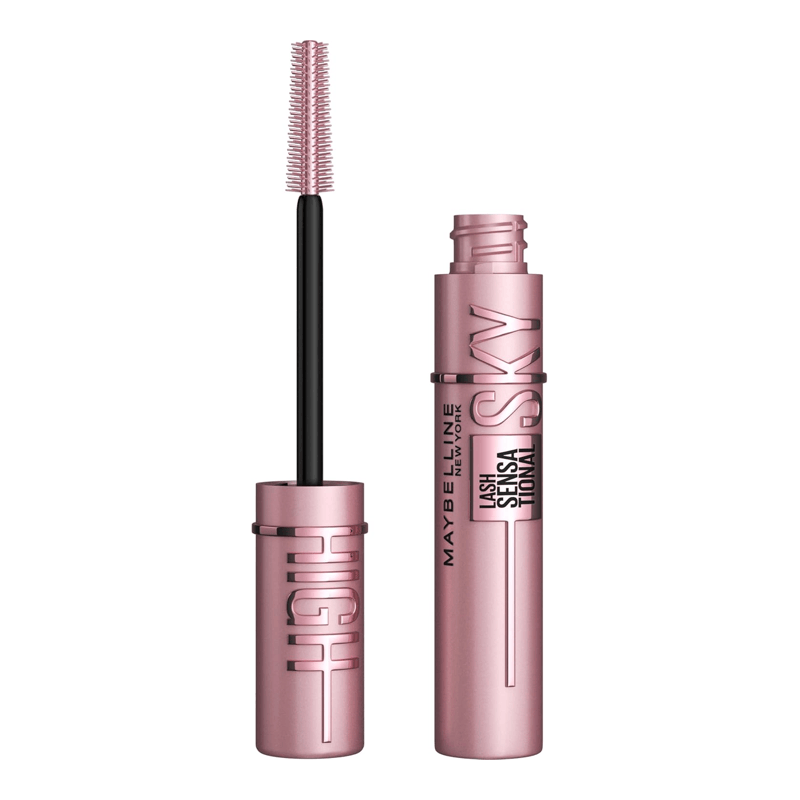
The same goes for mascara. A short replacement cycle only sticks if the tube is easy to rebuy, and Maybelline Sky High Mascara fits the bill. It gives long, separated lashes with a flexible brush, and it’s affordable enough that tossing it every few months never feels wasteful.
Liquid foundation and cream products sit in the middle. They deserve respect, just not to the exact day. A pump foundation kept in a cool bedroom drawer can outlast its 12M rating, while a jar of cream blush you dip your fingers into might not make it to nine months.
Small habits that make everything last
Storage changes these numbers more than the label does, and a few plain tools do more for how long your makeup lasts than any formula.
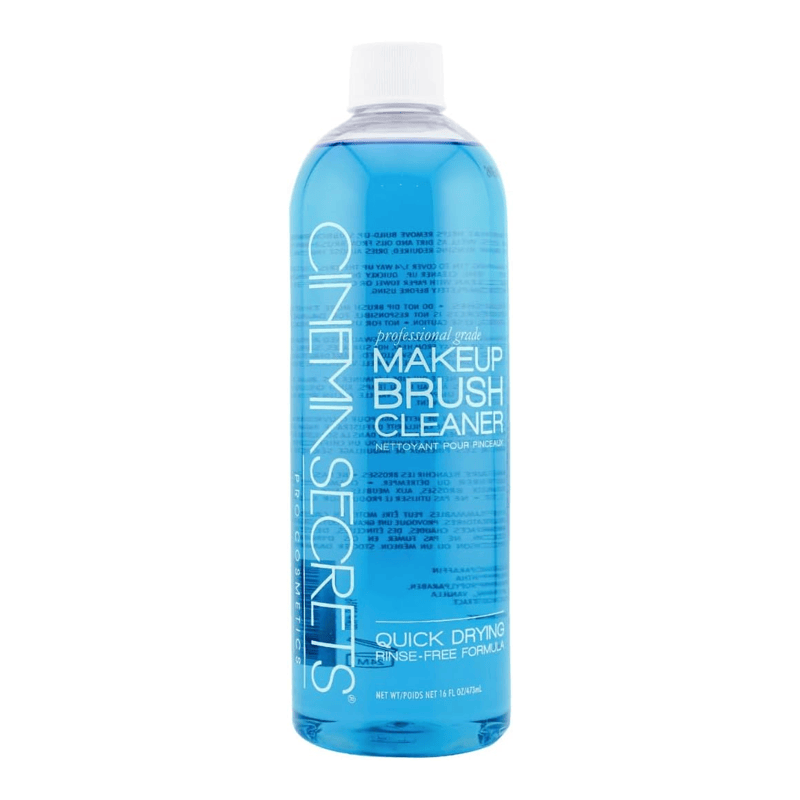
Clean brushes are what let a powder outlive its number. Cinema Secrets Brush Cleaner is a makeup-artist staple that dries fast, so you can swirl a brush in it, wipe it on a paper towel and use it again in a few minutes.
The handiest trick of all costs almost nothing. Grab a sheet of Avery Round Color-Coding Label Dots, write the month you opened something on a dot, and stick it on the bottom. No more guessing.
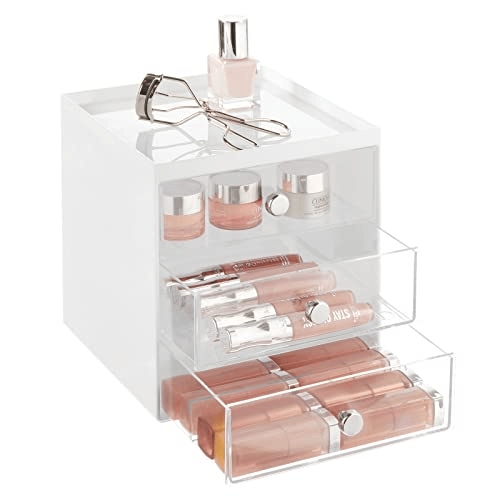
Finally, get your collection out of the steamy bathroom if you can. mDesign Clear Cosmetic Organizer Drawers fit on a dresser or vanity and keep everything dry and easy to see, dots and all. For more ideas, see where to store your makeup and the rest of the makeup hygiene guide, or browse the makeup archive.
Sorting through the drawer you already have
No symbol at all? Use the ranges in the table and write the date on it the day you open it. American products don’t have to carry a PAO, so a missing one is about labeling, not the formula.
Opened it but can’t remember when? Look at the product instead of the calendar. Separation, a new smell, a color change, a stringy texture or a hard glaze on a powder pan each tells you it’s time. If none of those apply and it’s a powder or pencil, keep using it, but if it’s mascara or liner, replace it.
Found something sealed at the back of a drawer? Look up the batch code first. Sealed means the PAO hasn’t started, but a formula made four or five years ago has aged on the shelf anyway.
Keep your makeup in the bathroom? Assume every printed number is a bit shorter than it says. Steam, heat and humidity wear preservatives out faster, and a shelf by the shower gets all three every day.
Had an eye infection? Throw out the mascara, the liner and anything else that touched your eye during it, whatever the PAO says.
Your PAO questions
Is the American version without a symbol any different? No. It’s one formula with two versions of the label, so if it says 6M in Europe, treat the American one as 6M.
Can I trust batch code lookup sites? For the brands they cover, generally yes, since they decode formats brands have shared. Small brands are hit or miss, so check anything surprising with the brand directly.
Does the fridge make makeup last longer? It can slow down how fast a liquid formula breaks down, but it doesn’t stretch the printed number, and moving a cream in and out of the cold can make it separate. Cool and steady beats cold and back and forth. The habit that helps most is still writing the month on the bottom of anything new.


