
Spironolactone is a blood pressure pill that many dermatologists also prescribe for thinning hair in women. If yours brought it up, you’re in good company. It’s one of the most common prescriptions dermatologists bring up for women whose hair is slowly thinning, even though hair isn’t what it was first made for.
Below we’ll cover how a heart medicine ended up in hair care, what results look like, how long you’ll wait, the safety points that matter most, and the drugstore products that often go alongside it.
A blood pressure pill with a side job
Spironolactone, sold under the brand name Aldactone, is a prescription pill approved for heart failure, high blood pressure, some kinds of fluid buildup and an adrenal problem called primary hyperaldosteronism. It’s often called a water pill, because it blocks a hormone that tells your kidneys to hold onto salt and water. You lose more salt and water, and you keep more potassium.
It also works against androgens, the hormones like testosterone that every woman makes in small amounts. That second effect is the one dermatologists are after. It’s why spironolactone is used for hormonal acne too, and our post on spironolactone for adult acne covers that side of the same drug.
Using it for hair is what doctors call off-label. The FDA approves a drug for certain uses, and those go on the label, but doctors can prescribe it for other conditions when they believe it fits. That’s common in dermatology, and spironolactone has been used for hair loss for decades.
What female pattern hair loss looks like
Female pattern hair loss is the most common cause of thinning hair in women. It tends to run in families, and hormones may play a part, which is why it often shows up or speeds up around menopause. It usually starts in your 40s, 50s or 60s, though it can begin much earlier.
It rarely looks like clumps in the shower drain. Instead, the part slowly widens and the top of the head looks less full, while the hairline in front usually stays put. If you’re not sure that’s what’s happening, our guide to telling whether your part is widening walks you through a simple check.
What results to expect
Results are real but modest, and they don’t happen for everyone. The American Academy of Dermatology says studies suggest spironolactone works for about 40 percent of women with female pattern hair loss. When it does help, it can slow shedding and add some fullness. It won’t bring back the thick ponytail you had in college, and it’s best thought of as a way to hold onto what you have and gain a little back.
Patience is a big part of it. Dermatologists say you’ll need to take a prescription hair loss pill for six to 12 months before you’ll know if it’s working, and if there’s no new growth by 12 months, it probably won’t. It also only works while you keep taking it. If you stop, the hair it helped grow usually falls out again within about three to four months. Taking a photo of your part once a month, in the same spot with the same lighting, tells you much more than a daily look in the mirror.
Pairing it with minoxidil
Dermatologists often combine treatments, and spironolactone is frequently paired with minoxidil. Minoxidil is the only FDA-approved treatment for female pattern hair loss, and you can buy it without a prescription in 2 percent and 5 percent strengths. You apply it to your scalp, and it works differently from spironolactone, so the two can team up. Ask your dermatologist whether the combination suits you. Our honest look at minoxidil for women goes deeper on what to expect.
The once-a-day foam

Women’s Rogaine 5% Minoxidil Foam is the stronger strength in an easy foam, used as half a capful once a day on the thinning area. A foam is easy to aim at the scalp without drips running down your forehead. Results may start to show around three months, and some women need at least six. Its directions say not to use it if your hair loss is sudden or patchy, linked to having a baby, or has no known cause. It’s about $27.
A lower-strength liquid with a dropper
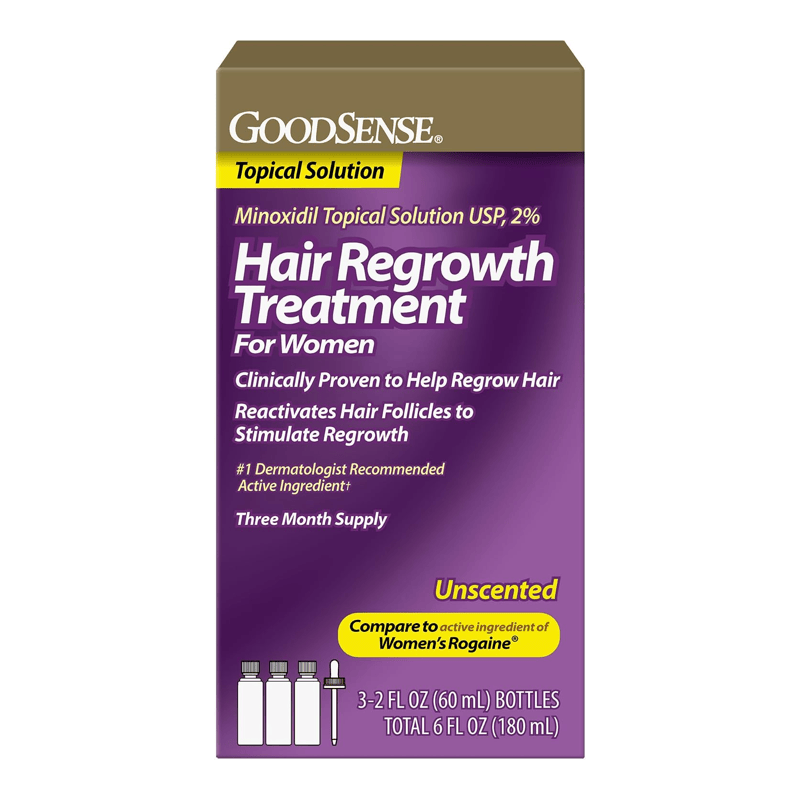
If you’d like to start gentler, Good Sense Minoxidil 2% for Women is a liquid you apply twice a day with a dropper, and it’s a budget-friendly way to try minoxidil at about $22. With either strength, stop and check with a doctor if you notice unwanted facial hair or scalp irritation. Minoxidil may be harmful during pregnancy or breastfeeding, so it’s not one to use then either.
Safety points to talk through with your doctor
Potassium is the big one. Because spironolactone makes your body hold onto potassium, too much of it in your blood is the drug’s top warning. The risk goes up if you have kidney problems, take potassium supplements, use salt substitutes made with potassium, or take other medicines that raise potassium, like the blood pressure drugs known as ACE inhibitors and ARBs. Your prescriber will decide whether you need blood tests, based on your health and your other medicines.
Since it’s a water pill, it can also cause dehydration, low blood pressure and strain on the kidneys, especially alongside other drugs that affect the kidneys, like ibuprofen. Other possible side effects include irregular periods, spotting, breast tenderness, dizziness, headache, tiredness, leg cramps, nausea and diarrhea. Bring a full list of everything you take, including vitamins and supplements, to your appointment, and mention any kidney or adrenal problems.
Pregnancy and breastfeeding
This part matters a lot. Spironolactone may affect the development of a male baby in the womb, so it should be avoided during pregnancy. All of the prescription pills used for female pattern hair loss carry a risk of birth defects, which means none of them are an option if you’re pregnant or trying. Dermatologists usually recommend birth control for women who take one and haven’t gone through menopause. Small amounts of a breakdown product of the drug can reach breast milk, and the long-term effects on a nursing baby aren’t known, so tell your doctor at the first visit if you’re pregnant, trying or nursing.
Caring for your scalp while you wait
A healthy scalp won’t regrow hair on its own, but it makes the waiting months more comfortable, and gentle washing keeps fragile strands from breaking. Two products cover most needs.
A medicated wash for flakes and itch
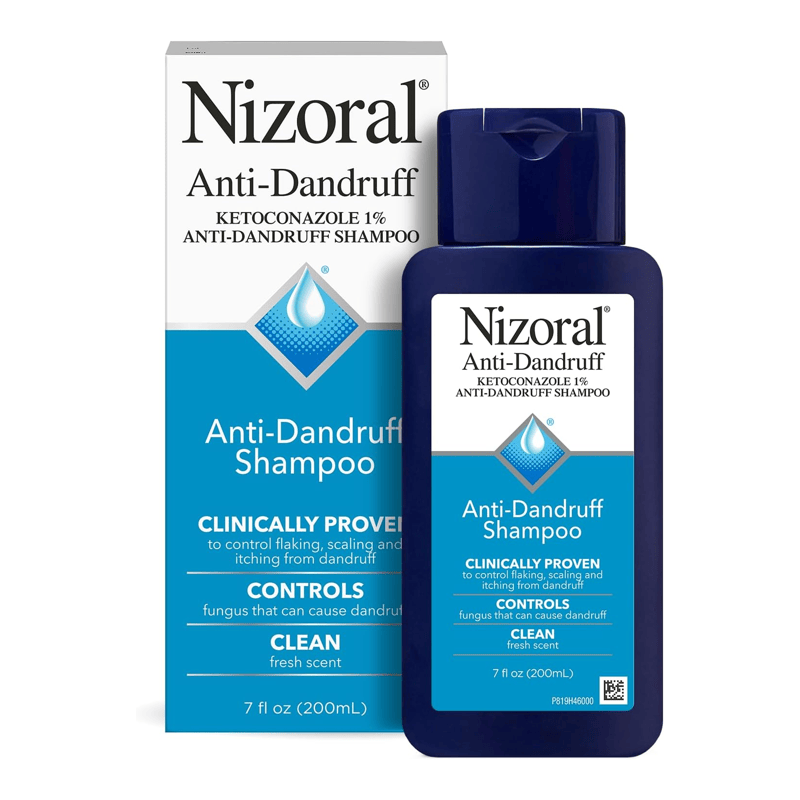
If your scalp flakes or itches, Nizoral Anti-Dandruff Shampoo has 1 percent ketoconazole, an antifungal that targets dandruff. Use it every three to four days for up to eight weeks, then as needed. It’s a dandruff treatment rather than a hair loss treatment, but calming an irritated scalp is worth doing either way. Our guide to dandruff causes and fixes explains more. About $17.
A mild everyday shampoo
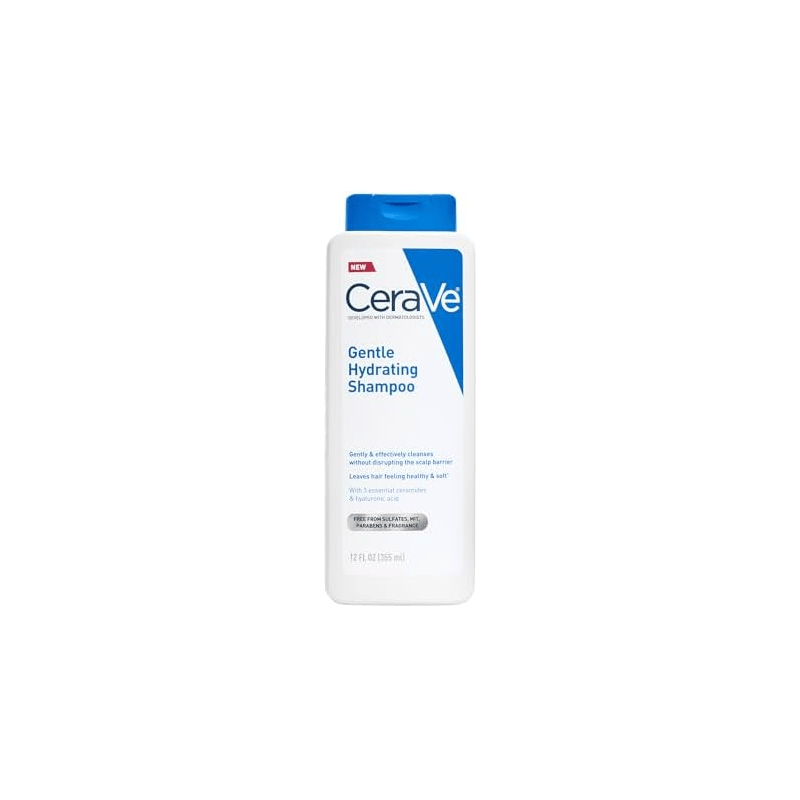
On the other days, CeraVe Gentle Hydrating Shampoo is a soft, no-fuss choice. It’s free of sulfates, dyes, parabens and fragrance, it’s safe for color-treated hair, and it has hyaluronic acid to keep strands from feeling dry. About $9 for 12 ounces.
Covering a thin part in the meantime

Six months is a long time to stare at your part. Toppik Hair Building Fibers are tinted keratin fibers you shake over a thin spot and gently pat in, and they cling to your existing hair until your next wash. They don’t affect growth one way or the other. They just help you feel like yourself on the days you want a fuller look. They come in nine shades, about $25 for 12 grams.
Before your appointment
If your part is slowly widening and you’re under 40, see a dermatologist before you buy anything. Thinning can start early, and other causes, like thyroid problems or low iron, can look the same in the mirror.
If you already take spironolactone for acne, let whoever is treating your hair know. It’s the same medicine, and your total dose matters.
If you’re planning a pregnancy in the next year or two, bring that up before starting. You’d need to stop the pill for pregnancy, and the new hair would likely shed within a few months of stopping.
And if your shedding started suddenly, or a few months after a baby, an illness, surgery or a crash diet, that’s usually a different kind of hair loss called telogen effluvium, and a hormone blocker may not be the answer at all. A dermatologist appointment for hair loss is the best way to sort out which one you’re dealing with. There’s more in our hair archive.


