
Finding a smooth, round bald spot that seemed to show up overnight is scary, but with alopecia areata, the hair can usually grow back. Your immune system attacks your own hair follicles by mistake, yet the follicle itself usually survives. Some people regrow within about a year, while others get it again on and off for years. There’s no cure, but there are real treatments, from shots for a few patches to three FDA-approved pills for severe loss, and a board-certified dermatologist can help you pick.
What alopecia areata looks like
The classic first sign is a smooth bald patch about the size of a coin. The skin underneath looks normal, with no redness or flaking, though the spot may tingle, itch or burn as the hair goes.
Some people get one patch and others get several. A less common pattern, called ophiasis, is a band of loss that wraps around the back of the head toward the temples. Eyebrows and eyelashes can go too, usually on both sides. When all the scalp hair goes, it’s called alopecia totalis, and losing all body hair, which is rare, is called alopecia universalis.
Your nails are the clue that often gets missed. About 10% to 20% of people with alopecia areata get nail changes, usually tiny dents, ridges or a rough, sandpaper feel.
If your hair is thinning all over instead of in spots, read our guide to hair shedding vs. hair loss. Patches along the hairline from tight styles are a different thing, and they’re covered in our traction alopecia explainer.
Why it happens, and who gets it
Nobody knows exactly what sets it off, but it’s clearer who tends to get it. It can start at any age, often in the teens, twenties or thirties, and it shows up in every race and gender.
Your odds go up if a close relative has it, or if you have another autoimmune condition such as thyroid disease, psoriasis or vitiligo. Asthma, hay fever and eczema are linked too. Many people remember a very stressful stretch right before the first patch, and while stress isn’t seen as the cause, it may give the immune system a push.
Alopecia areata also raises your risk of thyroid disease and lupus, so keep seeing a primary care doctor.
Will your hair grow back?
Often, yes, at least for a while. Hair may come back on its own in about a year, especially if you only have a few patches. It’s also common to lose hair again within a year of regrowing it, and most repeat bouts happen within five years, so for some people it comes and goes for life.
New hair often grows in white or blond and finer at first, but that usually passes as it fills in.
How a dermatologist diagnoses it
Usually it’s just a matter of looking at your patches and nails, often through a lighted magnifier, and asking about your health and family. Sometimes a few hairs are pulled or a tiny skin sample is taken to rule out look-alikes, and a blood test may check your thyroid, iron and vitamin levels.
A sudden bald patch is a clear reason to book a visit, and our piece on when a dermatologist is worth it for hair loss covers the rest.
Treatments a dermatologist may suggest
No one treatment works for everyone, and sometimes the advice is to do nothing at all. Your plan depends on how much hair is gone, for how long, where it’s gone from, and your age.
Waiting and watching. If you have one or two spots that are less than a year old, a dermatologist may suggest just keeping an eye on them, since many people regrow without help.
Steroid shots into the patches. For adults with a few patches, the American Academy of Dermatology (AAD) calls this the most effective option. The shots are repeated every 4 to 6 weeks, and when they work, some regrowth usually shows within 3 months. In one study of people with patchy loss, more than 80% regrew at least half their hair within 12 weeks.
Creams and anthralin. Prescription steroid creams work better in kids than in adults. Anthralin goes on for a set time and then gets washed off, and it does cause some irritation.
Minoxidil. This one is used once regrowth starts, to help you keep the new hair. Our minoxidil guide for women explains how it works.
Contact immunotherapy. For widespread loss, a dermatologist puts on a chemical that causes a mild rash, which is meant to get the immune system to stop attacking the follicles. It means weekly office visits for months, and how well it works varies a lot, with success rates anywhere from 17% to 75%.
Pills that calm the immune system. These include the JAK inhibitors below, plus older drugs such as prednisone, methotrexate or cyclosporine.
The three FDA-approved JAK inhibitors
JAK inhibitors calm the immune signals behind the attack. Three prescription pills are approved for severe alopecia areata, and all of them were tested on people who had lost at least half their scalp hair.
| Detail | Olumiant (baricitinib) | Litfulo (ritlecitinib) | Leqselvi (deuruxolitinib) |
| Approved for | Severe alopecia areata, age 12 and up (also rheumatoid arthritis and some hospitalized COVID-19) | Severe alopecia areata, age 12 and up | Severe alopecia areata in adults |
| How often | Once a day | Once a day | Twice a day |
| Trial result | About a third of adults on the higher dose had 80% or more scalp coverage at 36 weeks, vs. 3% to 5% on placebo | 23% had 80% or more coverage at 24 weeks, vs. about 2% on placebo | 29% to 32% had 80% or more coverage at 24 weeks, vs. 1% on placebo |
| Extra step | TB screening before starting | TB screening before starting | TB screening, plus a genetic test for how you process the drug |
“80% or more coverage” means getting most of your scalp hair back, and people who started with some hair left did better. On Olumiant’s higher dose, 48% of adults who began with 50% to 94% loss got there, compared with 21% of those with near-total loss, and Leqselvi showed the same split, 46% vs. 20%. The results came at 24 to 36 weeks, so these pills need time.
Leqselvi needs a test first for a gene called CYP2C9. People whose bodies break the drug down very slowly can’t take it, and neither can anyone on certain medicines that block that process.
What the boxed warning covers
All three carry the FDA’s strongest label warning. Try to read it calmly, because part of it comes from a different drug used for a different disease.
- Serious infections. These drugs turn down part of the immune system, so serious infections, including tuberculosis, are a real risk. That’s why you get a TB test first.
- Death, cancer and heart events. Another JAK inhibitor, used for rheumatoid arthritis, showed higher rates of death, lymphoma, lung cancer, heart attack and stroke than a different type of drug, and the labels carry those findings for the whole group. Cancers have also been reported in people taking each of these three.
- Blood clots. Clots in the legs, lungs and arteries have happened.
The labels also say not to mix them with other JAK inhibitors, biologic immune drugs, or strong immune-lowering drugs such as cyclosporine. Milder side effects on one or more labels include headache, acne, colds, higher cholesterol, and a raised muscle enzyme on blood tests, and Litfulo’s list adds hives, diarrhea and mouth sores. You can expect regular blood work.
Pregnancy and breastfeeding
Animal studies suggest Olumiant and Leqselvi may harm a developing baby, and there isn’t enough human data on Litfulo to judge. All three labels say not to breastfeed during treatment and for a short time after the last dose: 4 days for Olumiant, 14 hours for Litfulo, and 1 day for Leqselvi. If you’re pregnant, trying or nursing, say so before you start.
What to do next, depending on your patches
If you’ve just found one smooth, round bald spot, see a dermatologist instead of guessing.
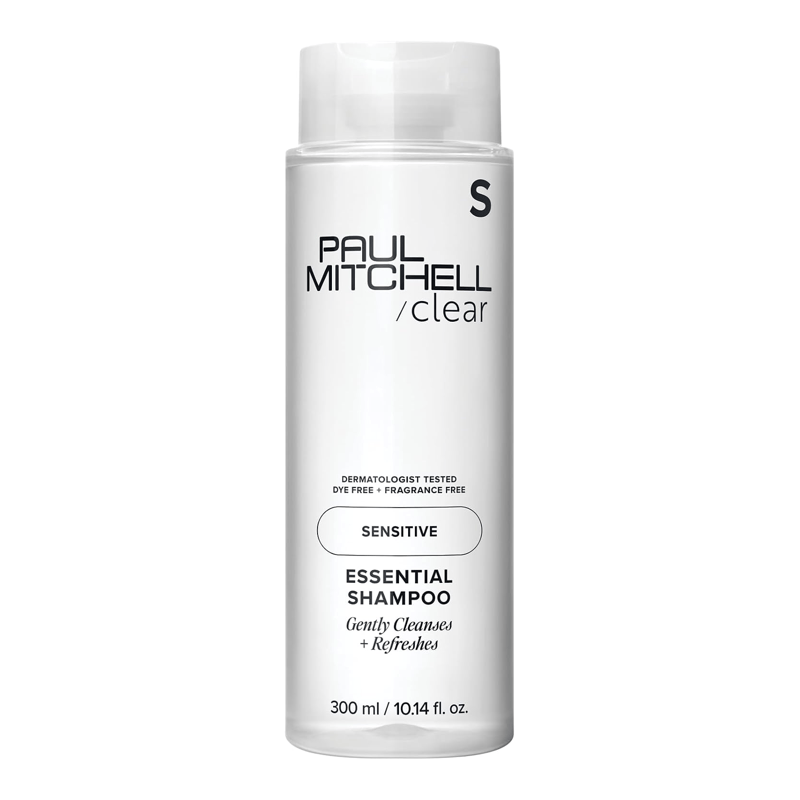
If it’s a couple of small patches that don’t bother you much, waiting can be fine, and taking photos helps you track any change. Meanwhile, keep your hair care gentle with a plain shampoo like Paul Mitchell Clear Essential Shampoo, which skips fragrance, dyes and sulfates, plus a wide-tooth comb like the Paul Mitchell Detangler Comb, loose styles and air-drying when you can. None of this regrows hair, but it’s kind to a touchy scalp.
If you’ve lost brows or lashes, wear glasses outside to keep dust and sweat out of your eyes, and ask about treatment.
If your loss is widespread and you’re thinking about a JAK inhibitor, write down your questions about infection risk, blood work and having kids, and give it time once you start.

If it’s affecting how you feel day to day, that matters. Anxiety and low mood are more common with this condition, and the National Alopecia Areata Foundation runs support groups. Camouflage can make a hard month easier, too: tinted keratin fibers like Toppik Hair Building Fibers make a sparse spot less visible and hold up through wind, rain and sweat until you wash, without helping or hurting growth. Because the follicle usually survives, there’s real reason to hope your hair comes back, and a dermatologist can match the treatment to you. You’ll find more in our hair archive.
Sun on bare spots, and a thyroid check
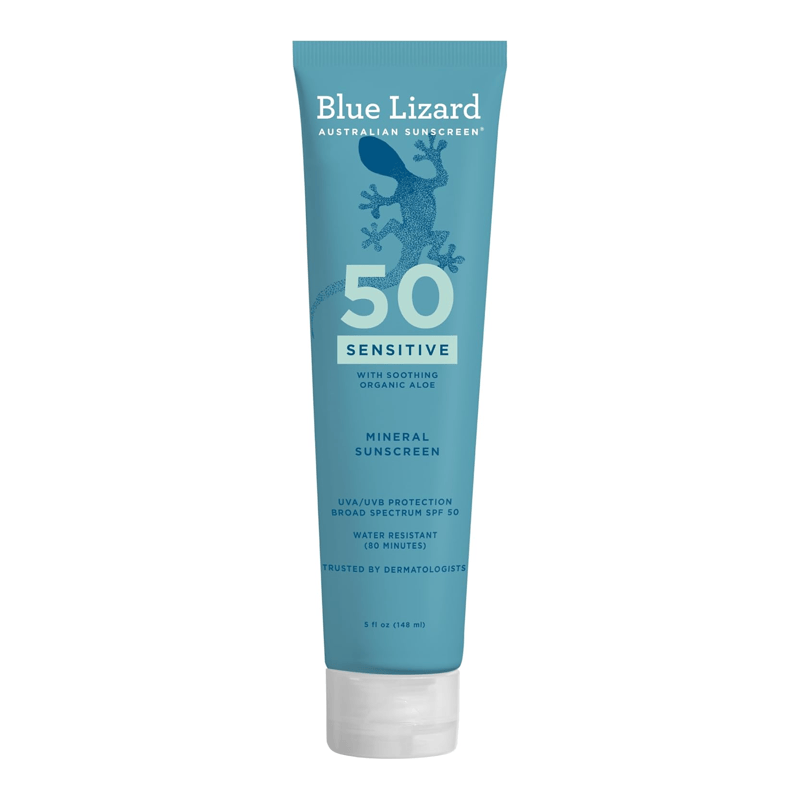
Alopecia areata can’t spread from person to person, so that’s one worry you can let go of. Bare or thin spots do burn more easily, though, so cover them with a hat, a wig or a water-resistant broad-spectrum SPF 30+. A fragrance-free mineral lotion like Blue Lizard Sensitive Mineral SPF 50 spreads easily on a bare patch and stays put in water for 80 minutes. And because thyroid disease is linked to alopecia areata, a thyroid test is a common check. If nobody brings it up, ask about it.


