
Hair fibers hold on with static, so a few shakes can make a see-through part look fuller by tomorrow morning. Toppik Hair Building Fibers are where we’d start, since they cling to the hair you already have and stay put until you wash. Caboki is the plant-based choice for sensitive scalps, and if it’s your part or hairline that’s thinning, a root powder like COLOR WOW Root Cover Up usually looks more natural. All of these hide thinning between washes, but none of them grow new hair.
The tiny powder details that keep it believable
Powder works because it lowers the contrast between your scalp and your hair. That’s why a part can look wider in bright light, especially if your hair is dark and your scalp is lighter. You’re not adding density here. You’re making the gap less loud, which is exactly what you want when you’re heading into work, a school event or dinner and don’t have time for a whole hair production.
The brush matters more than people think. A small, firm angled brush gives you a cleaner edge than the soft sponge or puff that comes in a lot of compacts. Load less than you think you need, tap off the extra and press in thin passes. The first pass should almost look like nothing happened. By the second or third, the scalp should look softer without turning into a painted stripe.
At the hairline, keep the edge a little imperfect. Tap the outer border with a clean fingertip or dry spoolie so it doesn’t look too solid, then fluff your roots with your fingers to bring back a little lift. If you’re setting it, use a light hairspray or fiber-locking spray and hold the can far enough away that the mist lands dry. Too close, and it can go on wet, reactivate the pigment and leave streaks.
Powder can also change your wash rhythm. Pigment, wax and scalp oil can build up if you keep layering it for days, and that can make the part look dull or flaky instead of fuller. You may need to wash a little more often than usual, and rotating in a gentle clarifying shampoo can help keep the scalp clean. If your scalp starts feeling itchy, tight or flaky, take a break instead of adding more product on top.
For tiny touch-ups, a root stick or crayon can be handy because it’s precise and doesn’t transfer as easily, but it can clump strands together and isn’t practical over a bigger area. Tinted dry shampoo is the lightest option and gives the weakest coverage. It can help with very mild scalp show on second-day hair, but I’d treat it as a refresh, not your main concealer.
Fibers, powders and sprays each have a job
Fibers are tiny tinted strands of keratin or cotton that you shake or spray over a thin area. Static makes them grab onto your own hair, so every strand looks a little thicker and the gaps between them close up. They do their best work when the whole top or crown is thinning but there’s still hair for them to hold onto.
Root powders are pressed color that you dab onto your scalp and roots with a small brush. Instead of bulking up the hair, they tint the skin in your part so it doesn’t flash pale between strands. Along a part, at the temples or around the hairline, a powder is easier to control than fibers and looks flatter and more natural up close.
Color sprays tint scalp and hair over a big area in seconds. They’re the quickest option by far, though they’re also the hardest to keep neat.
Dermatologists see all three the same way. The American Academy of Dermatology says a wig or concealer can’t slow hair loss or regrow hair, but it works right away, can give your confidence a real lift, and a dermatologist can help you choose one. Toppik’s fibers don’t help or hurt growth either. If you don’t know yet why your hair is thinning, our guide to hair thinning in women is a good place to begin.
Fibers that cling to the hair you have

Toppik Hair Building Fibers cost about $25 for a 12-gram bottle, though the price changes often. They’re made of tinted keratin, the same protein your hair is made of, in nine shades covering black, three browns, two blondes, auburn, gray and white. They hold up through wind, rain and sweat and work on any hair texture. A 12-gram bottle lasts about a month, and there are 27.5- and 55-gram sizes once you’ve found your shade. We like it as a first buy partly for the extras, like the hairline guide and finishing spray covered below. It does contain ammonium chloride and synthetic colors, which is worth knowing if your scalp reacts easily.

Caboki Hair Fibers run about $38 for 30 grams, which lasts roughly three months. The ingredient list is refreshingly short, just Levant cotton fiber and iron oxide colors, with no ammonium chloride, phenoxyethanol, chlorphenesin or synthetic dyes, and it’s hypoallergenic. It also has the widest range here, 14 colors including two salt-and-pepper shades, dark gray, golden blonde and light auburn, so if the usual browns never quite match you, try this one. The fibers stand up to wind, sweat and light rain and rinse out with shampoo.
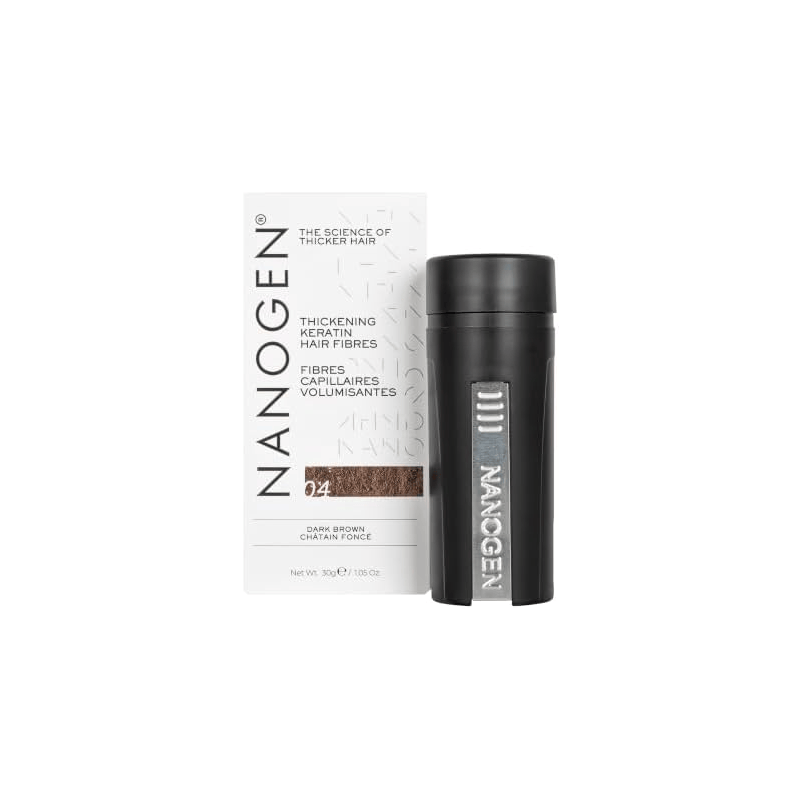
Nanogen Hair Thickening Fibres are about $46 for 30 grams. They’re 100% keratin, made in the UK, with a patented hold the brand calls Kinetic. The ten shades include cinnamon and auburn, which makes it the better keratin pick for red-toned hair. Nanogen pairs best with its own locking spray, so plan on a setting spray too. It’s the priciest fiber here, so buy it when the shade is the draw.
A spray for a crown that shows in photos
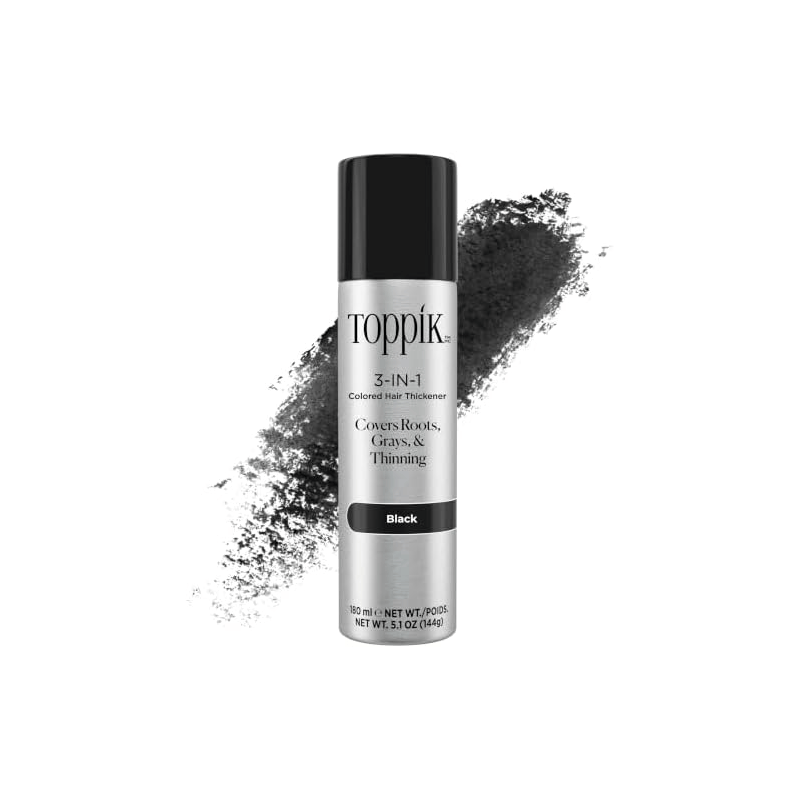
Toppik Colored Hair Thickener is about $20, a tinted spray for thin areas, scalp show-through and grown-out roots, in black and three browns. You part the hair away from the thin spot, hold the can 4 to 8 inches away and spray until it’s covered, and it stays until you shampoo without flaking or rubbing off. It’s the fastest way to cover a large area, like a crown that catches the flash. It does have alcohol and fragrance, and a spray is harder to keep off skin than a powder, so shield your forehead with your hand as you go.
Powders for a part or hairline
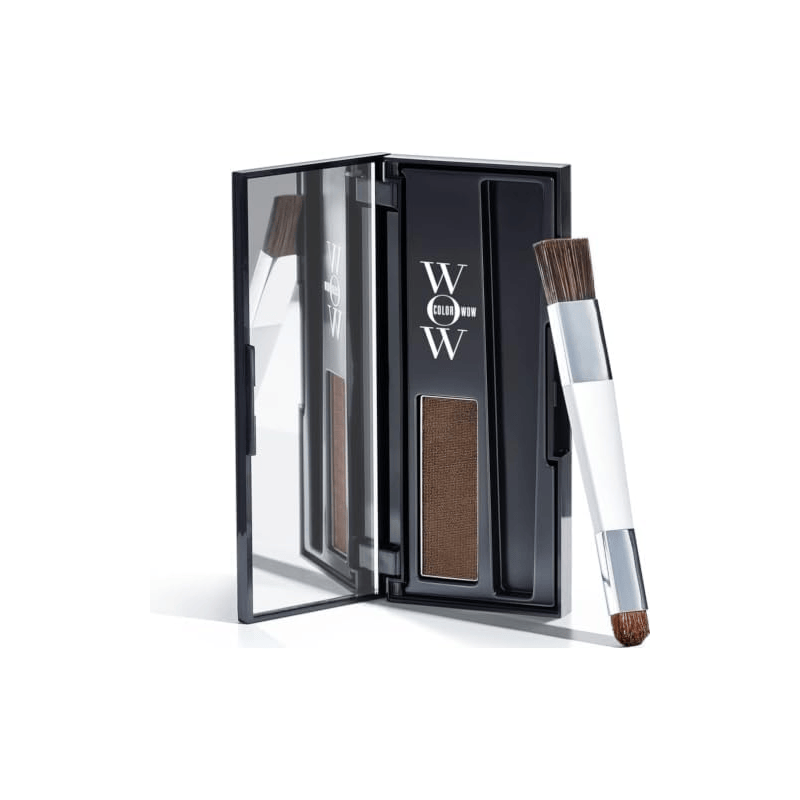
COLOR WOW Root Cover Up is about $35, a mineral powder made mostly of mica and talc. It clings to hair and holds through sweat, rain and even swimming until you shampoo. There are eight shades from platinum to black, plus a red, and it has no waxes, dyes or PPD. One compact lasts six months to a year. This is our pick for a widening part, because pressed along the line where your scalp shows, it softens the contrast without the texture fibers can add. It covers gray roots between color appointments too.
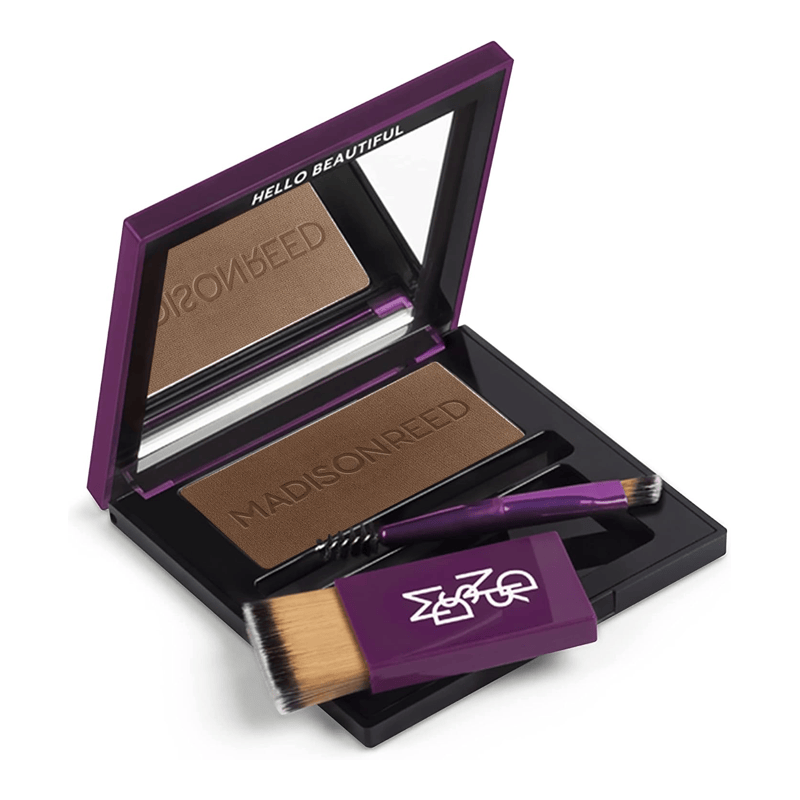
Madison Reed Root Touch Up is about $36, a temporary powder compact with two brushes, one for roots and one for brows. It fills in a thinning hairline as well as gray, it’s rain-, sweat- and pillow-proof, it’s good for more than 60 uses, and it’s free of ammonia, PPD and parabens. If your brows are thinning along with your hairline, one compact handles both.
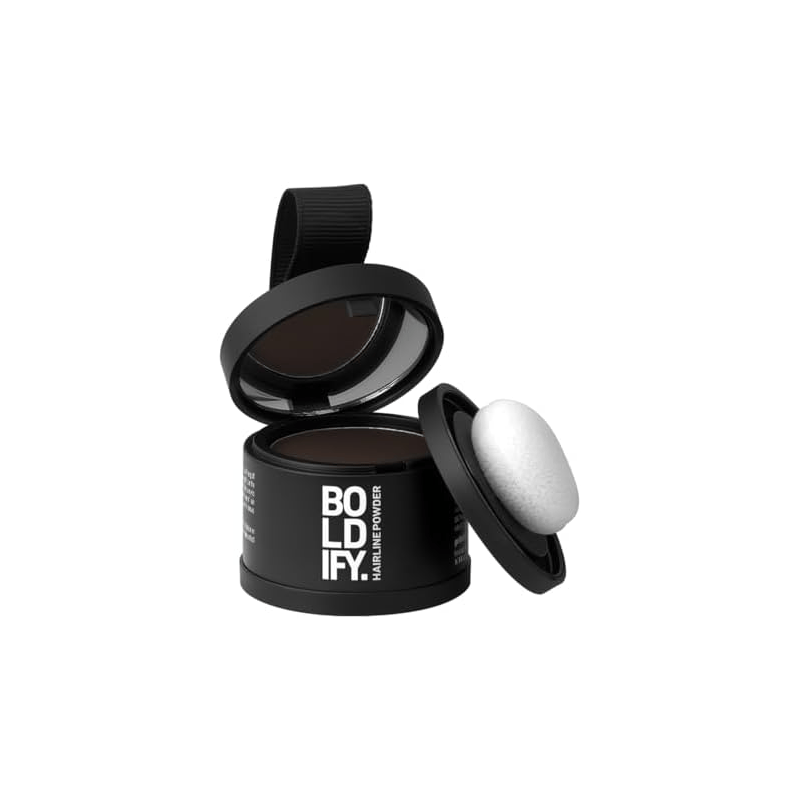
Boldify Hairline Powder is about $15, the cheapest of the seven. It’s a 4-gram compact with a mirror, in 14 shades from black and ash brown to light blonde, auburn, gray and white, and it lasts until your next shampoo with a 48-hour hold that won’t transfer. It’s small enough to live in your bag, and it’s also a low-cost way to figure out your shade before spending more.
Putting them on without the dusty look
Start with hair that’s dry and already styled. Fibers go on after blow-drying or heat styling, and any mousse, gel or serum should be fully dry first, since products sprayed on top can shift the fibers and uncover the spot again. Then add a little at a time. Shake on a small amount, pat it in gently and look again, because it’s easy to add more and annoying to take it away.
Go especially easy at the front. Toppik makes a Hairline Optimizer (about $5), a little guide you hold at the hairline so the front edge stays soft and natural. A finishing spray helps fibers grip, especially if things look powdery, and Toppik FiberHold Spray is about $10. Caboki and Boldify suggest a light mist of hairspray instead.
Powders want a different touch. Pull the hair flat and tight, then press the brush into the roots with little dabs, starting at the scalp and working outward rather than sweeping. And whichever you use, keep fibers away from your eyes and nose. Toppik warns against breathing them in, so shake them over a sink or towel rather than right in front of your face.
Finding a shade that blends
Match the roots in the thin area, not your ends or your highlights, which is advice Caboki, Boldify and Madison Reed all give. If you’re stuck between two shades, Toppik, Boldify and Madison Reed agree you should go darker. For blonde, gray or salt-and-pepper hair, mixing shades often looks best, either layered in the hair with the darker one first or blended in one bottle. Toppik’s own suggestions include black with white for salt and pepper, and light blonde with white for platinum.
Picking yours by where you’re thinning
A widening part is powder territory, with COLOR WOW for color-treated hair and Boldify if you’d like to spend less. Our piece on whether your part is widening can help you tell. When it’s the crown or the whole top that looks see-through, reach for fibers, starting with Toppik, or Caboki if your scalp is touchy. Red, strawberry blonde and salt-and-pepper hair should check Caboki and Nanogen first for shades, and if you need coverage in under a minute, the Toppik spray is quickest, even if it’s less precise.
Fine hair all over, rather than in one spot, does better with some lift under the fibers, and our guide to root volume for fine hair covers the styling side. If the thinning is new, sudden or patchy, go ahead and cover it, but see a dermatologist too, since a cover-up hides hair loss without explaining it.
Rain, shampoo day and minoxidil
Do hair fibers cause hair loss? No. They sit on top of your hair and don’t affect growth, but stop using them if your scalp gets itchy or red.
How long do hair fibers last? Until you shampoo. Most stay put through a full day, and a light setting spray helps them hold.
Do hair fibers come off in the rain? Light rain and sweat are usually fine, but most won’t survive a downpour or a swim. A setting spray adds a little insurance.
Can you use hair fibers with minoxidil? Yes. Put minoxidil on your scalp first, let it dry fully, then add fibers to dry, styled hair. Our minoxidil guide for women covers the treatment side, and there’s more in our hair archive.


