
Some hairstyles come and go, while the slicked-back bun just keeps showing up. Smooth, slicked-back buns walked the Alaïa runway and Fendi paired sleek low buns with deep side parts. And it’s still the look I picture when someone says “put together in five minutes.”
It’s the hair version of a crisp white shirt. It works with jeans, a slip dress or a blazer you’re wearing to look busy in a meeting. It also hides second-day roots, which is half the reason I love it. Low effort, big payoff.
So how do you get it glossy instead of stiff, and smooth without pulling so hard your scalp aches by lunch? Here’s how I’d do it for different textures, plus the one habit that keeps your hairline happy.
What Is a Slicked-Back Bun (and Who Can Wear It)?
It’s a bun with every strand brushed smooth from the hairline back, usually finished with a bit of shine. Davines calls it a ballerina bun too, and says it works on all hair types and textures. The difference from a messy bun is the surface. Nothing pokes out, the part is crisp, and the bun itself sits neat and tight.
You can wear it high, low or right in the middle of the back of your head. Low feels more polished and pairs well with a side part. Higher reads sportier. If your hair is fine, a low bun is the easiest place to start because there’s less weight pulling on it.
Damp hair and a brush do most of the work

Screenshot: Davines
Davines’ guide starts with something most of us skip. Detangle, then mist your hair with a spray bottle until it’s damp. That bit of moisture gives your hair grip, which means you don’t have to yank it back as hard to get it smooth.
Next, rub a gel or styling cream between your palms and spread it from root to tip. I’d go with the Davines This Is A Medium Hold Modeling Gel here, since it holds shape without that stiff, crispy feel. Then brush everything back toward where the bun will sit, using a natural bristle brush that catches every strand. I like the GranNaturals Boar Bristle Slick Back Hair Brush because it’s soft enough to go over the same spot again and again.
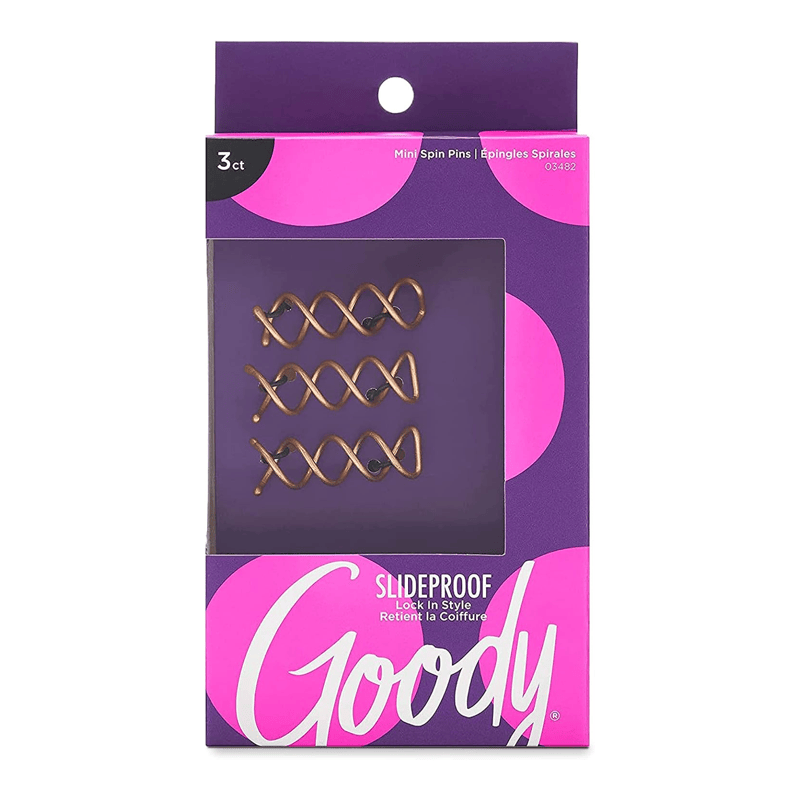
Secure the ponytail, twist it around the base and pin as you wind. A hair bungee with hooks on each end gives you more control than a regular tie. Goody SlideProof Mini Spin Pins hold a whole bun with just two or three, instead of ten bobby pins stabbed in at odd angles. Done.
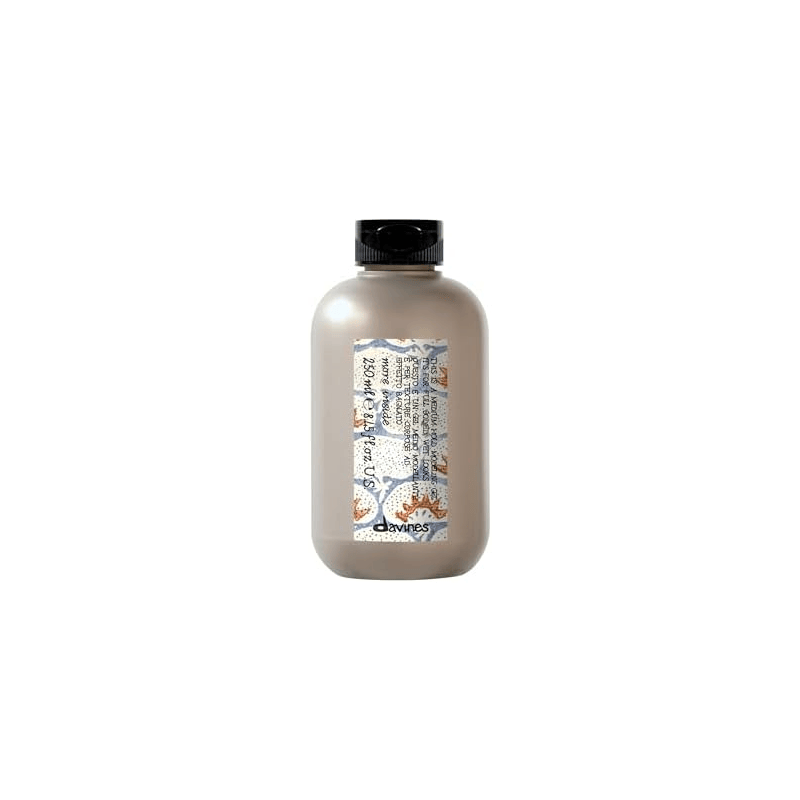
Davines This Is A Medium Hold Modeling Gel
A medium-hold gel that smooths and shapes without stiffness.
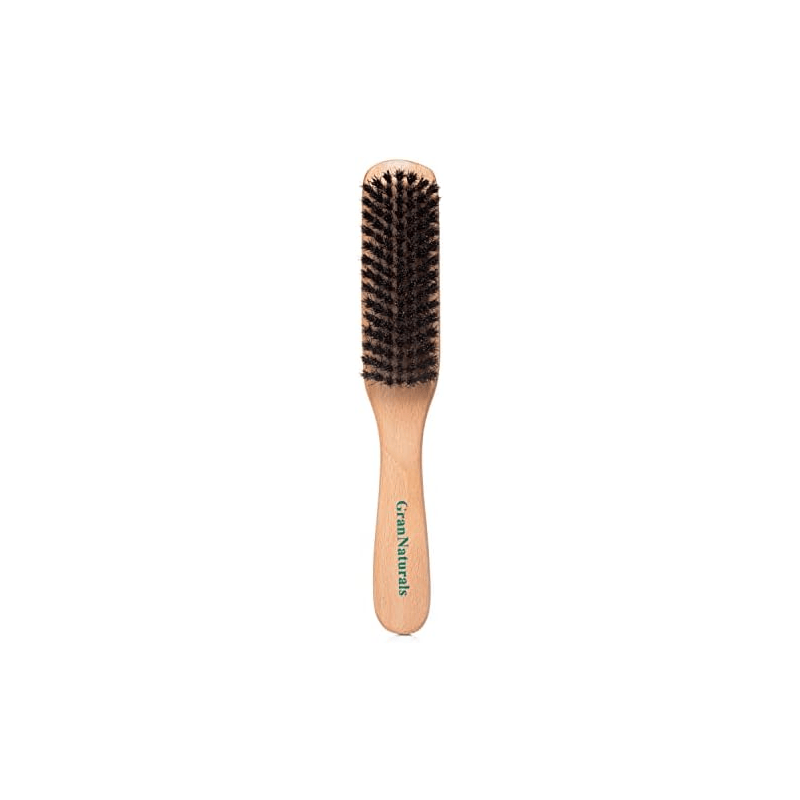
GranNaturals Boar Bristle Slick Back Hair Brush
A soft-to-medium boar bristle brush for smoothing hair back and laying flyaways flat.
Curly and coily hair: start with a wax stick
View this post on Instagram
@jasminecol / Instagram
Jasmine of @jasminecol gets her sleek bun with KeraCare, and her finish is what you’re after: glossy, flat at the root and neat right along the hairline. This is the card I’d grab first if your hair is curly or coily. Made for slicked-back styles, buns and ponytails, the KeraCare Hair Wax Stick handles frizz and edges in one swipe.
Curly and coily hair usually slicks back easiest when it’s damp. Put a moisturizing leave-in under your gel so it doesn’t dry out by the afternoon. Brush in small sections instead of trying to smooth the whole head at once. Glide the wax stick along the part and around your ears, then go over it with your brush.
If your hair is thick, don’t force it into a tiny knot. A bigger, rounder bun puts less strain on your scalp and honestly looks more expensive. I love it with gold hoops and a bold lip.
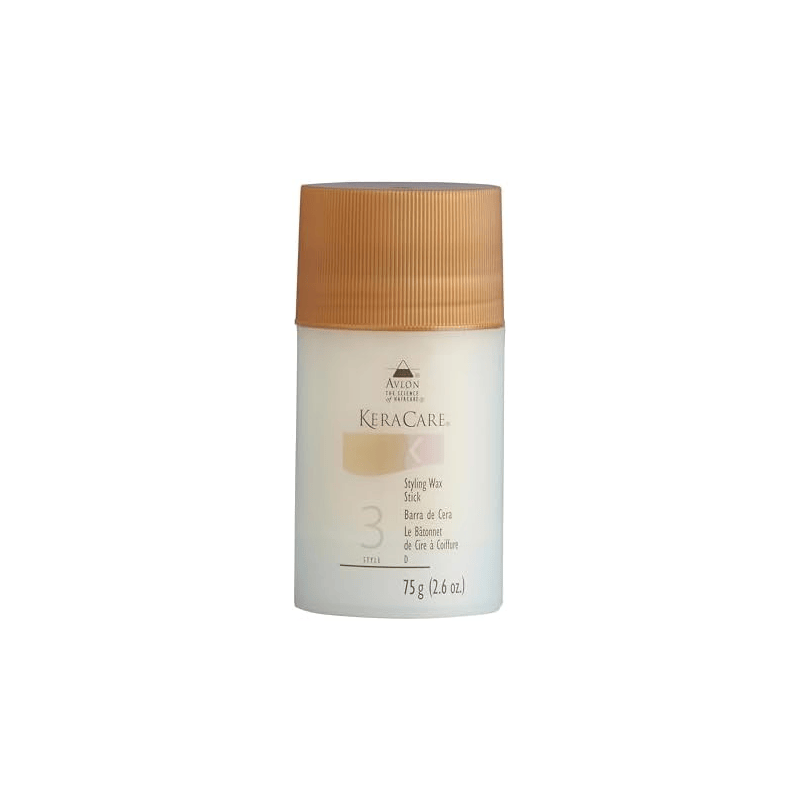
KeraCare Hair Wax Stick
A wax stick for slicked-back styles that tames frizz, flyaways and edges.
Flyaways and touch-ups on the go
View this post on Instagram
@bedheadbytigi / Instagram
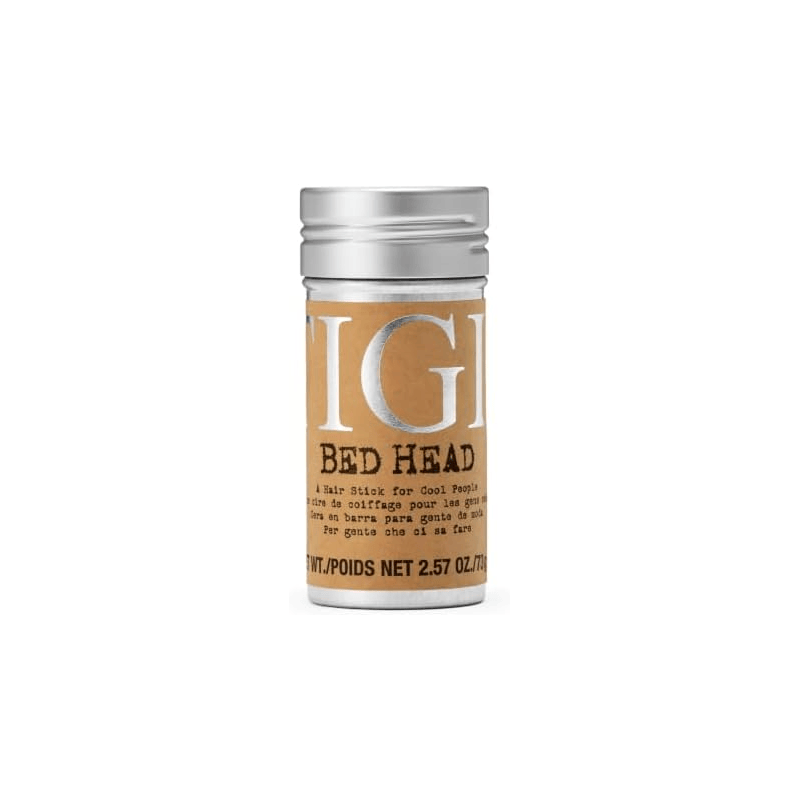
Even a perfect bun gets a halo of fuzz by mid-afternoon. @bedheadbytigi uses the Bed Head Hair Wax Stick to keep a slick back smooth. It’s a strong-hold stick made for flyaways and baby hairs. Out of the house all day? It’s small enough to toss in a work bag.
Swipe it lightly over the top layer, then smooth with your palm. Pressing hard is how you end up with a waxy stripe. Less is more here. If your hair is fine, use less than you think you need and focus on the hairline and part only.
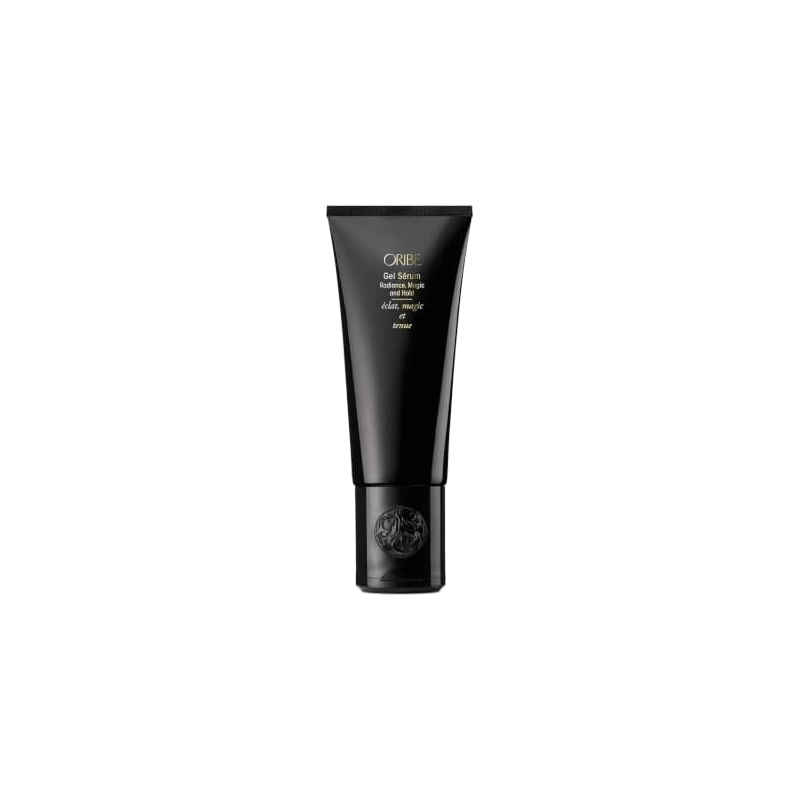
For shine without crunch, I’d finish with a drop of Oribe Gel Serum. Since it smooths and adds gloss, a little goes a long way on a slick style. Warm it between your fingertips and press it over the surface. My flyaway guide has more fixes if yours stand straight up.
Keep it kind to your hairline

Screenshot: American Academy of Dermatology
Here’s the part nobody puts in the tutorial. The American Academy of Dermatology lists tightly pulled buns, ponytails and updos among the styles that can lead to traction alopecia. That’s hair loss from repeated pulling. According to the AAD, your hairline is one of the first places it shows up. Its warning signs include pain from tightly pulled hair, stinging on your scalp and broken hairs around your forehead. Their simplest rule: if a style hurts, it’s too tight.
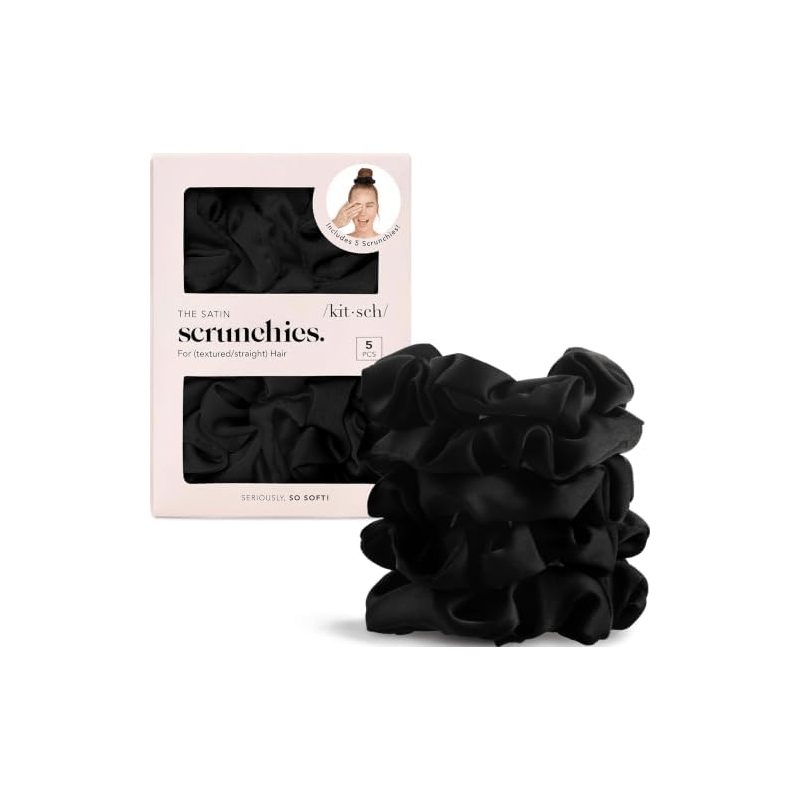
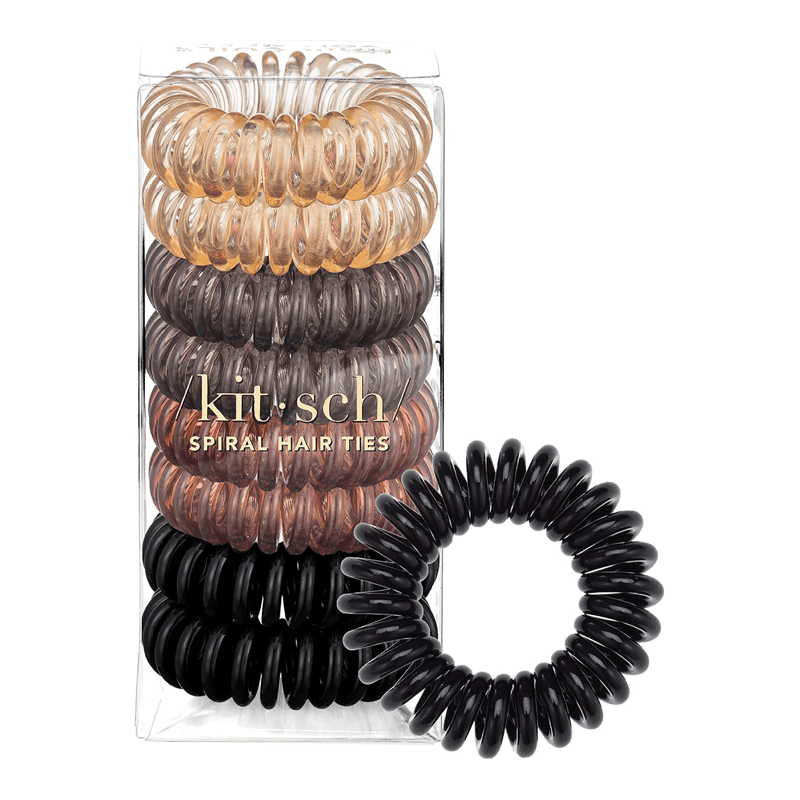
What helps, per the AAD, is loosening styles that pull and switching your hairstyle up regularly so your hair can recover. So I’d save the sleek bun for the days you want it. On the off days, try a low knot or a claw clip. Smooth ties help too, like Kitsch Satin Scrunchies for lazy days at home. Kitsch Spiral Hair Ties are designed to hold with less pulling and fewer dents.
Talk to your doctor or a board-certified dermatologist if you notice thinning at your temples, scalp pain or patches of hair loss. Some hair loss, including traction alopecia, can become permanent the longer it goes untreated, according to the AAD. My traction alopecia guide covers the signs in more detail. This is general information, not medical advice.
Start damp, brush more than you pull and keep a wax stick in your bag, because that’s the whole trick. Your hairline will thank you for the looser days in between.


