
There’s a new thing on the nightstand, and no, it isn’t a phone charger or a jar of melatonin. It’s a tiny case holding two sleep earbuds. They let you fall asleep to a podcast and wake up without a sore ear. Share a bed with a snorer or live above a bar? You already get it.
It’s a crowded category now. Ozlo, a company started by Bose veterans after Bose stepped away from its own sleep buds, is now on its second pair. Anker’s audio brand Soundcore has a new Sleep Earbuds 4 line up for reservation. Even small startups are pitching buds that adjust the sound while you sleep. I love that the conversation has moved from “just buy earplugs” to real options built for side sleepers.
Below: why they beat regular earbuds at night, masking vs cancelling, how to get the fit right and when to call a doctor instead.
Is it safe to sleep with earbuds in every night?
Mostly it comes down to volume. The National Institute on Deafness and Other Communication Disorders says sounds at or below 70 decibels are unlikely to cause hearing loss, even after long exposure. Long or repeated exposure at 85 decibels or higher can. A hushed rain track at a low setting is a very different thing from a playlist turned all the way up for eight hours.
My rule is simple. If you can’t hear a normal speaking voice over it, it’s too loud for bed. Sleep buds are built to play soft masking sounds, so lean on those instead of cranking music to drown out a noise.
What's the difference between sleep earbuds and regular earbuds?
Regular earbuds are made for walking around. They stick out, they press into your ear when you lie on your side and many run out of battery long before morning. Sleep buds sit flush in the ear, use soft silicone, last a full night and come with sleep sounds, timers and an in-ear alarm that wakes only you.
Why your AirPods should stay on the nightstand
View this post on Instagram
@ozlosleep / Instagram
Ozlo (@ozlosleep) built its whole brand around one idea. Your daytime earbuds are great for the day and not so great at 2 a.m. Ozlo Sleepbuds are tiny and low-profile, so you can lie on your side without anything pressing into your ear. Start a podcast or an audiobook. Once the buds sense you’ve fallen asleep, they switch to a noise-masking sound.
Sleepbuds 2 fix the biggest complaint about the first pair, which was battery. They now run up to 14 hours instead of roughly 10. Plus, the case holds two to three nights of charge. Each bud weighs 1.6 grams, with four ear tip sizes in the box. You also get 50 plus sleep sounds and a private in-ear alarm that won’t wake your partner.
Of all the pairs out there, this is the one I’d put on a wish list. That soft white case looks pretty on a nightstand, too, next to a linen duvet and a stack of half-read books.

Ozlo Sleepbuds 2
Tiny side-sleeper buds with a 14-hour battery, 50+ sleep sounds and a private alarm.
Noise cancelling or noise masking?

Screenshot: Soundcore
This is the choice that actually matters. Masking plays a steady sound, like white noise or rain, that buries a snore or a siren underneath it. Noise cancelling uses microphones to cut out low, droning sounds before they reach you. Ozlo relies on its soft tips and masking sound, while Soundcore combines both.
Soundcore’s Sleep A30 Special pairs active noise cancelling with adaptive snore masking. Its case listens for snoring while the buds adjust the masking sound to match. Each bud weighs about 3 grams, gets 8 to 10 hours per charge and comes with Calm sleep stories built in.
Its successor, the Sleep Earbuds 4, is up for reservation on Soundcore’s site now. According to the brand, they cut 3 to 5 decibels more low-to-mid noise than the A30. They also charge wirelessly and run up to 10 hours in default mode. A Pro version that tracks heart rate from inside your ear is coming later. If your problem is a snoring partner, I’d go with a pair that does both.

Soundcore Sleep A30 Special by Anker
Noise cancelling plus adaptive snore masking for nights next to a loud sleeper.
Side-sleeper fit is the whole game

Screenshot: Soundcore
A sleep bud only works if you forget it’s there. Most pairs come with several tip sizes, and Soundcore even includes ear wings with the Sleep Earbuds 4. Try a few before you decide a pair isn’t for you. Look for a tip that seals without that full, plugged feeling and doesn’t stick out past your ear.
On a tighter budget? Soundcore’s Sleep A20 set skips noise cancelling and leans on twin-seal tips plus masking sound. It runs up to 14 hours in sleep mode and up to 80 hours with the case, according to the brand.
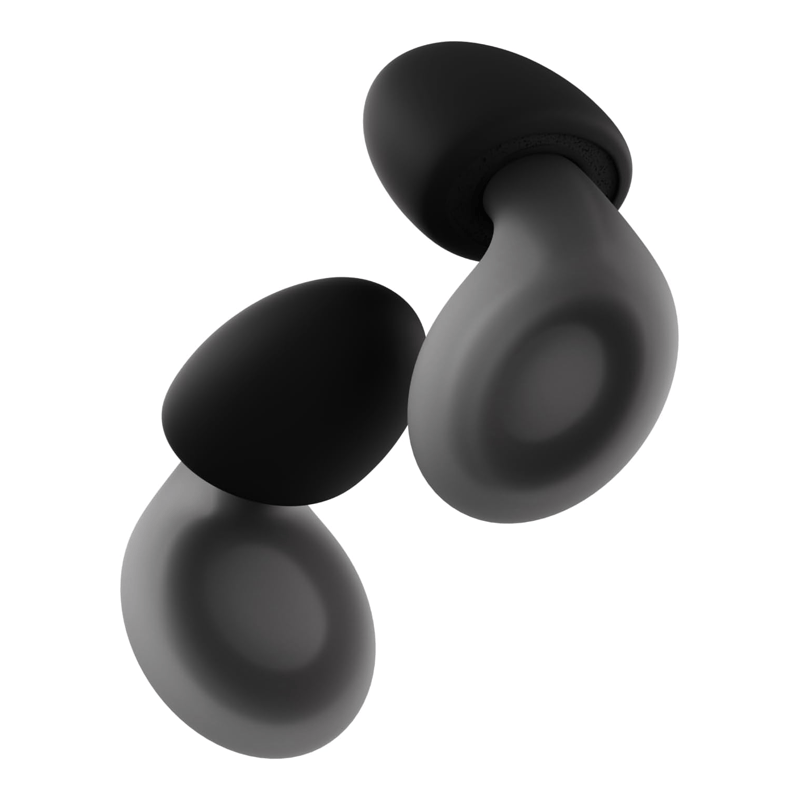
And if you don’t care about sounds at all, a good earplug might be all you need. Loop Dream is made for sleep, with a cushioned shape and 27 decibels of noise reduction. You get foam silicone tips and double tips in the box, so you can find a fit that stays put when you roll over.

When the problem isn't the noise
View this post on Instagram
@ozlosleep / Instagram
Here’s the part nobody puts on the box. Some bad nights are about noise. Others have a medical cause. Ozlo just teamed up with Dreem Health, whose licensed sleep providers offer at-home care for snoring, sleep apnea, insomnia and restless legs syndrome.
That matters most if you’re the one buying buds to cope with someone else’s snoring. According to the National Heart, Lung, and Blood Institute, common signs of sleep apnea include frequent loud snoring, gasping for air and breathing that starts and stops. The institute also points out that people often don’t know they have these symptoms until someone tells them.
So yes, grab the buds for yourself. But if you hear pauses or gasping, or you’re exhausted during the day even after a full night, talk to your doctor. The NHLBI notes that a sleep study may be needed to diagnose sleep apnea. (This post is for general info only and isn’t medical advice.)
If you want to build a whole bedtime routine around your new buds, my guide to sleepmaxxing is a good next read. Are you team masking or team cancelling?


