
I’m a little suspicious of any skincare product that promises to make my face prickle. I spend enough time looking for things that’ll calm my skin down, so the idea of buying a serum that feels scratchy on purpose took me a minute.
Still, I get the appeal. Spicule serums are made for the stuff you can spot in a bathroom mirror even before you’ve had coffee: rough patches, noticeable pores and skin that looks a little dull. The prickles come from tiny sponge particles, and how much of that sensation you’re willing to put up with is a fair thing to consider before you buy one.
What Is a Spicule Serum?
Spicules are tiny, needle-shaped particles that come from sponges. When you smooth on the serum, they make tiny channels in the skin’s outer layer. That’s where the K-beauty nickname “liquid microneedling” comes from.
In-office microneedling uses a tool that reaches deeper into the skin. With a spicule serum, the particles work near the surface and shed as your skin naturally sheds. I’d think of it as a skincare step for texture or dullness and keep my expectations there.
How Long Does a Spicule Serum Tingle?
A mild, pinpricky feeling can linger after you put it on, and how noticeable it is depends on the formula and your skin. There’s still limited safety research, so I’d patch test first and keep the serum away from your eyes and lips.
I’d rinse it off and stop using it if the stinging keeps getting stronger, your skin starts to burn or you notice swelling.
Tiny sponge needles are the whole trick
View this post on Instagram
@vtcosmetics_global / Instagram
VT Cosmetics (@vtcosmetics_global) pairs those little sponge needles with centella asiatica, the ingredient you’ll see called cica all over K-beauty bottles. The VT Cosmetics Reedle Shot 100 CICA Spicule Serum is my favorite starting pick of the bunch. It’s the milder of these two and is aimed at clogged pores and rough texture, which is where I can see the appeal of adding a step.
The VT Cosmetics CICA Reedle Shot 300 moves up a level and adds hyaluronic acid and propolis alongside centella. I’d save that one for skin that already gets along with a milder spicule serum. If you’re happy with how your skin looks and feels at the lower strength, you can stay there.


What 100, 700, 2,000 and 7,500 on the bottle mean
View this post on Instagram
@vtcosmetics_global / Instagram
The numbers make this look like a skincare math problem, but you only need to compare them within the same brand. VT uses its numbers to mark strength. The VT Cosmetics CICA Reedle Shot 700 is the strongest VT option here, and the brand recommends it once a week for skin that’s already used to spicules.
Medicube has its own scale. The medicube Exosome Shot Zero 2,000 PPM Spicule Facial Serum is its Mild version, with sponge spicules and AHA, BHA and PHA exfoliating acids. The medicube Exosome Shot Zero 7,500 PPM Spicule Facial Serum is the Strong version. The numbers refer to exosome concentration in parts per million, so they won’t tell you how either bottle compares with VT’s.
I’d keep the first application small. Medicube suggests starting on a target area, so if the rough spot you care about is on your chin, there’s no reason to start with your whole face.

medicube Exosome Shot Zero 2,000 PPM Spicule Facial Serum
Medicube's Mild strength spicule serum with exosomes, AHA, BHA and PHA for pores and texture.

medicube Exosome Shot Zero 7,500 PPM Spicule Facial Serum
The Strong version of the same serum, for skin that already tolerates spicules.

VT Cosmetics CICA Reedle Shot 700
VT's strongest Reedle Shot here, meant for once a week on experienced skin.
Use it at night, then pile on the calm
View this post on Instagram
@drchristinehall / Instagram
I’d keep a spicule night to three steps: cleanse, smooth a small amount of serum over dry skin, then put on moisturizer. Dr. Christine Hall (@drchristinehall) recommends following spicules with something hydrating or calming. Give your retinol and exfoliating acids the night off.
The ONGREDIENTS Skin Barrier Calming Lotion is the lighter option, with centella and peptides for dry, sensitive skin. For a creamier finish, the BIODANCE Pore Perfecting Collagen Peptide Cream is a hydrating pick that also targets the look of pores. I’d choose whichever texture you’ll actually feel like putting on when you’re ready to turn off the bathroom light.


Who should skip spicules or ask a derm first
View this post on Instagram
@aestura.official / Instagram
I’d skip spicules on broken skin or if you have rosacea or eczema. If you have inflamed acne, use a prescription retinoid or take acne medication, ask your dermatologist first. And if you’ve recently had a peel, laser treatment or microneedling, wait until your skin’s fully healed and check with your provider before adding spicules.
If your usual moisturizer suddenly stings or your face feels tight and flaky, I’d put the serum aside and keep the routine simple. From Aestura (@aestura.official), the AESTURA ATOBARRIER365 Cream with Ceramides is made for dry, sensitive skin that needs barrier support. Dr.Jart+ Cicapair Sensitive Skin Face Moisturizer is a centella option for sensitive skin prone to redness, and Augustinus Bader The Rich Cream, 30 ml, is the pick for dry skin when you prefer a richer cream.
If redness, burning or swelling sticks around after you’ve stopped using the serum, check in with a doctor.

AESTURA ATOBARRIER365 Cream with Ceramides
A ceramide capsule cream for dry, sensitive skin that needs barrier repair.

Dr.Jart+ Cicapair Sensitive Skin Face Moisturizer
A centella moisturizer for redness and barrier repair on sensitive skin.
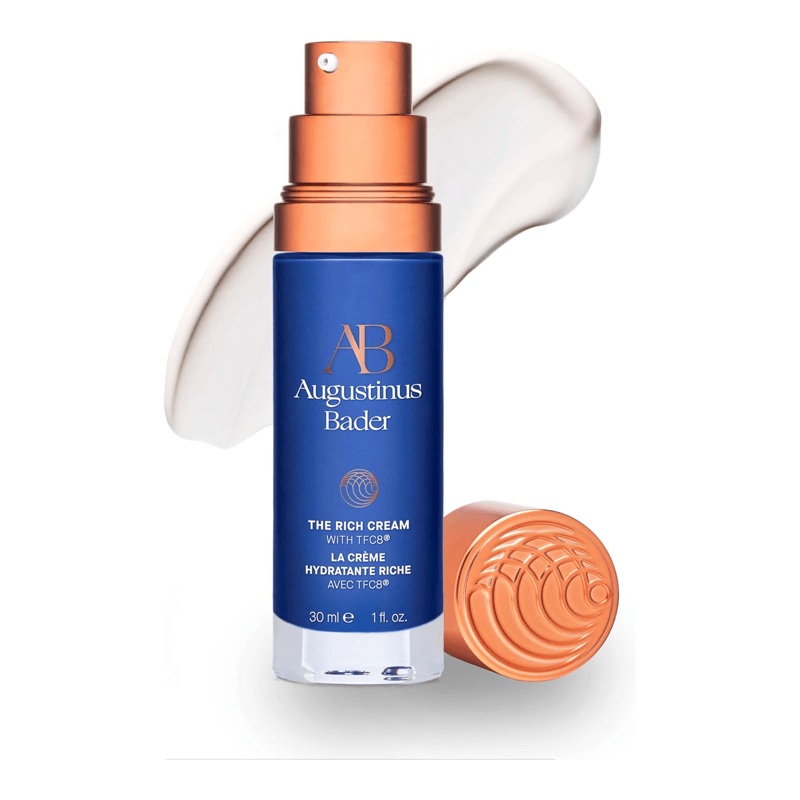
Augustinus Bader The Rich Cream, 30 ml
A rich luxury moisturizer for dry skin that wants extra comfort.
The easiest version I’d try first is a patch test with the mildest formula you’re considering. If your skin handles it, start with one small area you actually want to smooth and follow with your usual moisturizer.


