
Scalp care has moved from that thing you remember after your roots feel weird to the step that can make your whole style behave better. Between dry shampoo, mousse, sweat and the very real urge to stretch wash day, your scalp can end up wearing more product than your face.
A scalp scrub isn’t something most of us need constantly. For a lot of people, once a week is plenty. Fine, oily hair may like it a little more often, while dry, coily or color-treated scalps usually want a lighter touch.
How Often Should You Exfoliate Your Scalp?
Scalp exfoliation just means clearing off dead skin, oil and product residue with either a gritty scrub or a gentle acid, usually something like salicylic acid. Think of it as clearing the path at your roots, not giving your head a deep cleaning every time you shower.
The best rhythm depends on your hair and scalp. Fine, oily hair that gets washed a lot can usually handle exfoliating up to twice a week. Normal to thick hair tends to be happier around once a week. Dry, sensitive, curly, coily or color-treated scalps usually do better every couple of weeks or less.
The big catch is flakes. Small, powdery flakes and flat roots can point to buildup. Greasy yellowish flakes, itching and patches around the hairline or ears are more dandruff territory, so you’d reach for a dandruff shampoo instead of a scrub.
Skip exfoliating if your scalp is broken, red, stingy or having a flare. If your scalp feels tight after, that’s your sign to back off, not scrub harder next time.
What's actually sitting at your roots
View this post on Instagram
@philipb / Instagram
Philip B (@philipb) treats the scalp reset like step zero, and I get why. Your scalp is skin with lots of oil glands, but hair traps what your face would normally shed more easily. Dead cells hang around, oil sticks them together and styling products pile on top.
Dry shampoo is a big one. The AAD says leaving dry shampoo on the scalp can lead to issues like breakage and shedding, and clogged pores can make your scalp itch, burn or feel tender. Their advice is to wash after one or two rounds of dry shampoo, which is annoying but fair.
If your roots look greasy again the day after washing, your crown falls flat fast or your scalp feels tight and itchy, buildup may be the problem. A weekly clarifying wash with PHILIP B Peppermint Avocado Shampoo can help clear that film so your scalp products and styling products reach actual skin.

PHILIP B Peppermint Avocado Shampoo
A clarifying, volumizing shampoo with peppermint and avocado oils.
Greasy, yellowish flakes need a dandruff shampoo
View this post on Instagram
@hellojupiter / Instagram
Jupiter (@hellojupiter) explains that Malassezia, a yeast, lives on everyone’s scalp, and too much of it can play into itching, irritation and flakes. The AAD also links dandruff to seborrheic dermatitis and names skin yeast, stress and cold weather as possible triggers.
This doesn’t look the same as basic buildup. The AAD describes white to yellowish scale that can be dry or greasy and often itchy. It can also show up near the ears, eyebrows, beard area or around the nostrils. Scrubbing that kind of scalp can make it angrier.
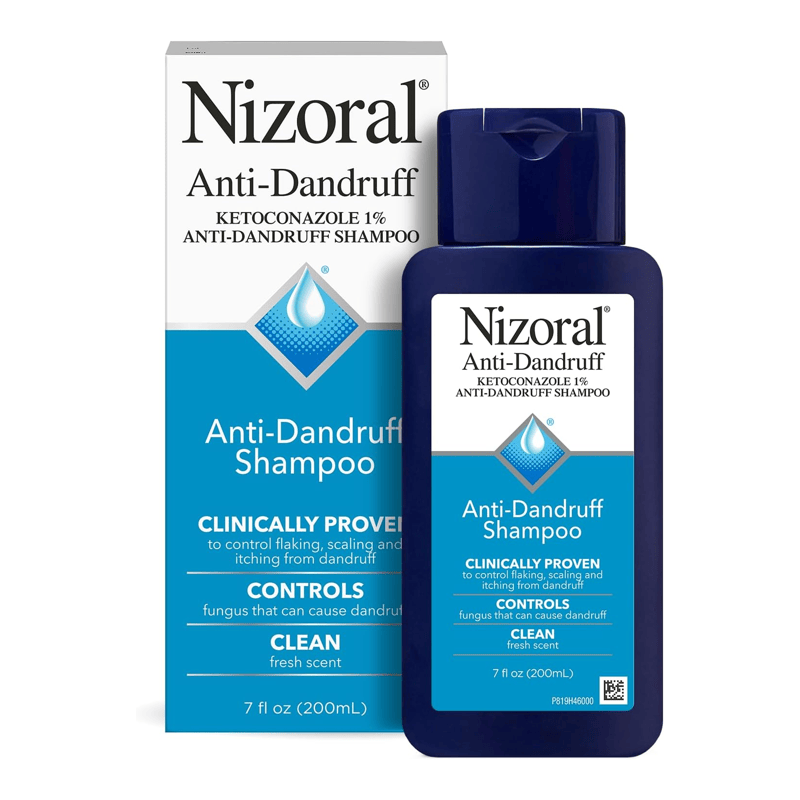
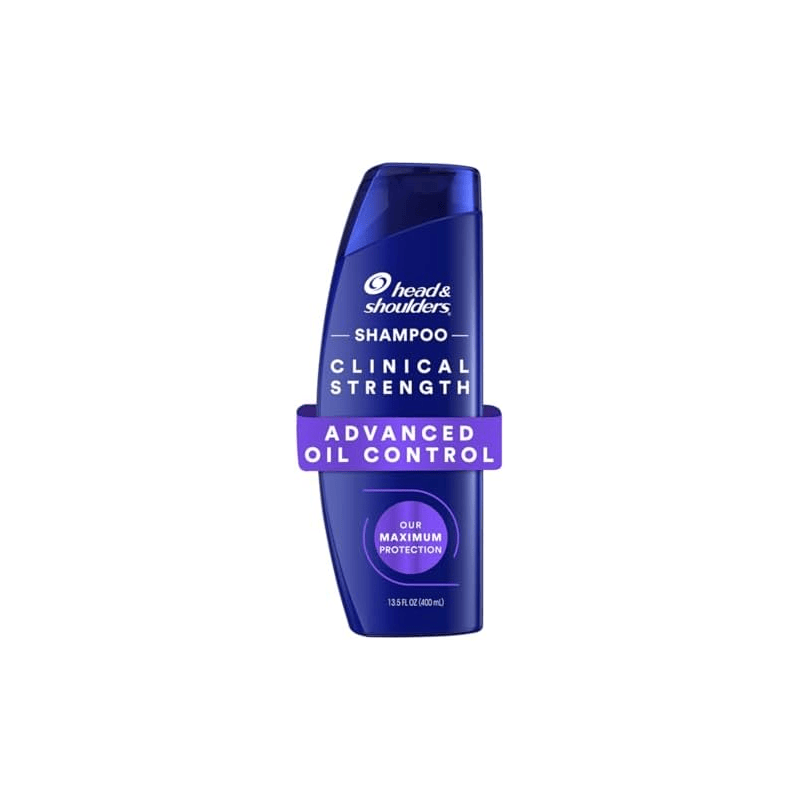
For this lane, go for a dandruff shampoo with an active like ketoconazole, selenium sulfide, zinc pyrithione, salicylic acid, sulfur or coal tar. Nizoral Anti-Dandruff Shampoo uses 1% ketoconazole, while Head & Shoulders Clinical Strength Advanced Oil Control uses 1% selenium sulfide. Some formulas need to sit for several minutes, so follow the label, and see a board-certified dermatologist if drugstore options aren’t helping.
Scrubs suit thick, oily hair
View this post on Instagram
@philipb / Instagram
Philip B’s Peppermint Avocado Scalp Scrub is a crème shampoo and scrub hybrid with sea salt, peppermint, eucalyptus and witch hazel. Physical scrubs work by lifting buildup with grit, so they can be satisfying when your hair is thick, straight and oily enough that your fingers can actually reach your scalp.
The drawback is control. If your scalp is already red or itchy, grit can rub irritated skin, and the AAD notes that scratching an irritated scalp may make things worse. Fine hair can also snap if you scrub too hard, and gritty scrubs aren’t the move for locs.
Use your fingertips, not your nails, and work in small sections so you’re not roughing up the same spot forever. Rinse really well. Briogeo Scalp Revival Charcoal + Coconut Oil Micro-Exfoliating Shampoo is a gentler sulfate-free option that cleans while it exfoliates.


Acids and a silicone brush for everyone else
View this post on Instagram
@clauulynnn / Instagram
Hair creator @clauulynnn makes a good case for giving scalp care the same attention as masks and oils. For most people, I prefer the acid-and-brush route because it feels more controlled than grit. Acids loosen dead cells so they rinse away, instead of making you manually scrub at your roots.
Neutrogena T/Sal Shampoo uses 3% salicylic acid for scalp buildup, which makes sense if your roots get oily fast or the same film keeps coming back. Put it on the scalp, not through your lengths, because dandruff and exfoliating shampoos can dry out your hair. Let the label guide how long it sits.
A HEETA Scalp Massager won’t do much exfoliating by itself, but it helps spread shampoo across your scalp without using your nails. This is my favorite route for long, thick or textured hair because the hard part is usually getting product to the skin. Clean roots with a simple middle part, gold hoops and a white tee is exactly the kind of low-lift polish I like.


How often depends on your hair texture
View this post on Instagram
@headandshoulders / Instagram
Head & Shoulders (@headandshoulders) splits routines by scalp type, and that makes more sense than chasing one magic schedule. For dandruff shampoo, the AAD suggests about twice a week for straight or fine hair or an oily scalp, and about once a week for coarse, curly or coily hair. Keep it on the scalp, not your ends.
Exfoliation can follow a similar rhythm. Fine, oily hair you wash often may handle twice a week. Normal to thick hair can usually sit around once a week. Dry, sensitive, curly or coily scalps may only want it every couple of weeks, always on wash day.
Head & Shoulders BARE Soothing Hydration Anti-Dandruff Shampoo is a 1% pyrithione zinc option that’s free of sulfates, silicones and dyes. If you see reddish, raised patches with flakes that have a silvery sheen, that’s different. The AAD describes that as a sign of scalp psoriasis, and that’s a dermatologist visit, not a scrub night.

Head & Shoulders BARE Soothing Hydration Anti-Dandruff Shampoo
A 1% pyrithione zinc shampoo free of sulfates, silicones and dyes.
Your scalp doesn’t need a dramatic reset every shower. Pick the right lane, go slower than you think and let your roots tell you when they’ve had enough.


