

What Exactly Is Navel Oiling?
Navel oiling—also known as nabhi oiling—comes from ancient Ayurvedic tradition, where the belly button is seen as an energetic and circulatory center. The idea is simple: apply a few drops of oil directly into the navel and massage it in. While it’s not a magic portal to perfect skin, the navel is rich in nerve endings and sits over soft tissue that absorbs oil well. That makes it a surprisingly effective delivery point for moisturizing oils, especially during the dry, flaky chaos of winter.
Why People Swear by It for Skin Hydration
Winter is the season when your skin decides to revolt—tight cheeks, cracked lips, itchy shins, and that mysterious crocodile texture on arms. Navel oiling won’t “hydrate your entire face” the way TikTok sometimes claims, but the practice can support overall moisture levels by strengthening the skin barrier. Oils like jojoba, sesame, and almond contain fatty acids that help restore lipids, preventing transepidermal water loss. Many people notice softer stomach skin and an overall feeling of suppleness after a week or two of consistent application.
Does Navel Oiling Actually Help With Acne or Glow?
Not directly—but indirectly, maybe. The belly button isn’t connected to your face by magic hydration tunnels, so applying oil there won’t unclog pores or shrink pimples. But winter dryness can worsen breakouts by compromising your barrier, and adding nourishing oils to your routine (even through the navel) supports overall skin health. Some Ayurvedic enthusiasts say it boosts “inner glow,” and while there’s no scientific link, anything that gently nourishes skin and decreases stress can leave you looking a little more vibrant.
The Best Oils to Use (and What to Avoid)
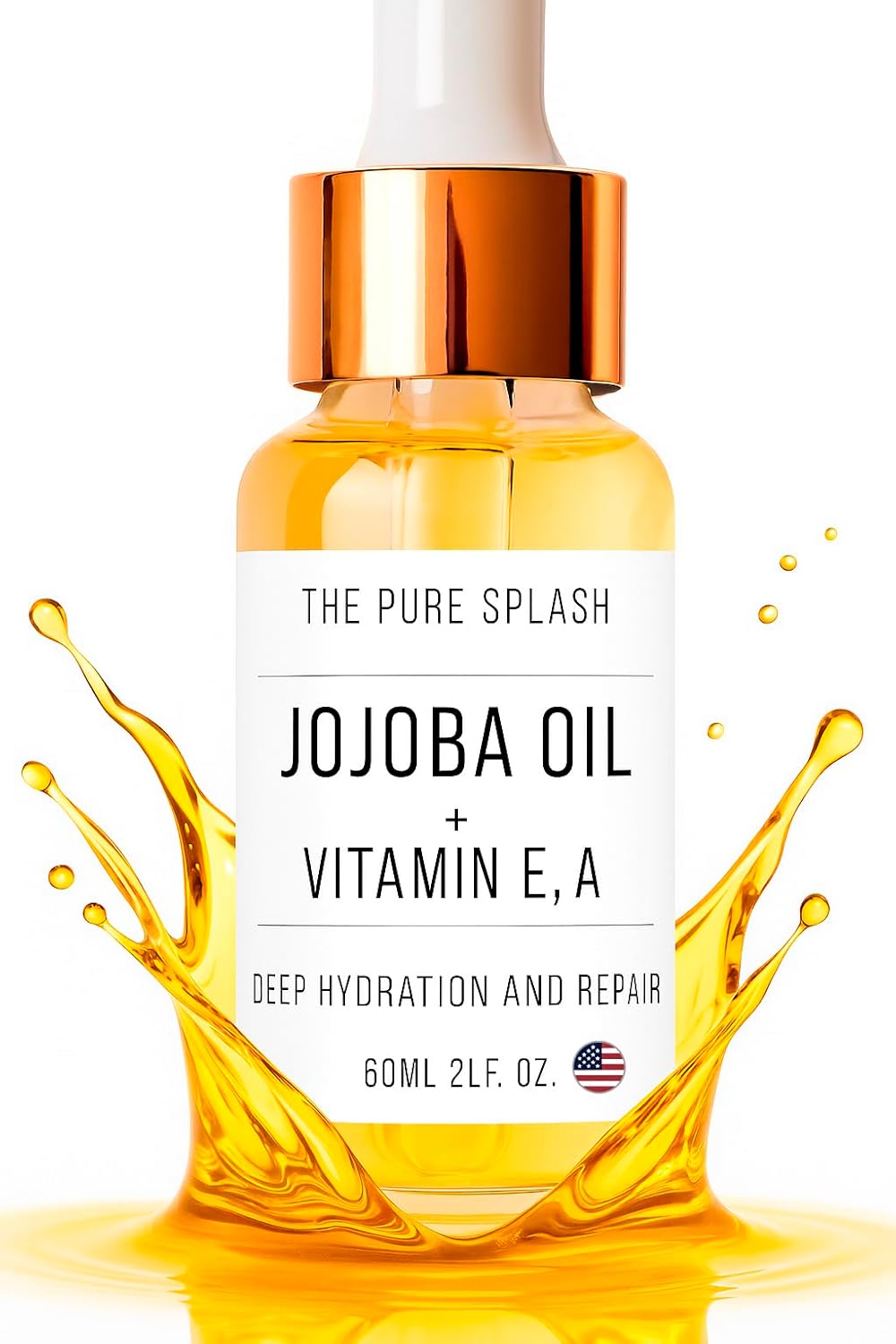
Choose lightweight, stable oils that won’t irritate or go rancid quickly. Jojoba is the top pick because it mimics the skin’s natural sebum. Almond oil is another favorite for dryness, while sesame oil is favored in Ayurveda for warmth and circulation. Avoid essential oils unless heavily diluted—your navel is sensitive, and fragrance compounds can cause irritation. And skip thick, comedogenic oils like unrefined coconut if you’re prone to clogged pores around your stomach or hips.
How to Practice Navel Oiling the Right Way
The method matters more than you think. Start with clean, dry skin—wipe inside the navel gently with a damp cloth if needed. Add 2–3 drops of warm (not hot) oil into the navel, then massage in small circles clockwise and counterclockwise. Let it absorb for at least 10–15 minutes before putting on clothing to prevent staining. Many people do this before bed because the warmth of your blankets helps absorption and avoids oil transfer onto daytime outfits.
Are There Any Risks or Downsides?
It’s generally safe, but avoid the practice if you have a navel piercing that hasn’t fully healed, a recent abdominal surgery, or an active skin infection. People with eczema or dermatitis around the stomach should patch-test oils on another area first. And while the belly button can hold a lot of lint and mystery debris, it is not self-cleaning—so avoid trapping dirt under oil. Always clean the area gently once or twice a week if you’re using oils regularly.
Final Verdict: Worth Trying or Just Wellness Theater?
Navel oiling isn’t a cure-all, but it’s not nonsense either. It’s a gentle, ritualistic way to moisturize the central skin of your torso, support your barrier through winter, and add a grounding moment to your routine. Think of it less as “this will transform my face” and more as “this supports my skin and helps me slow down.” For many, that alone makes it a worthy addition to a cold-weather skincare ritual.
If your winter skin is begging for relief, navel oiling might be the unexpected self-care hack you didn’t know you needed.
As an Amazon Associate, I earn from qualifying purchases – at no cost to you!
Leave a Reply