
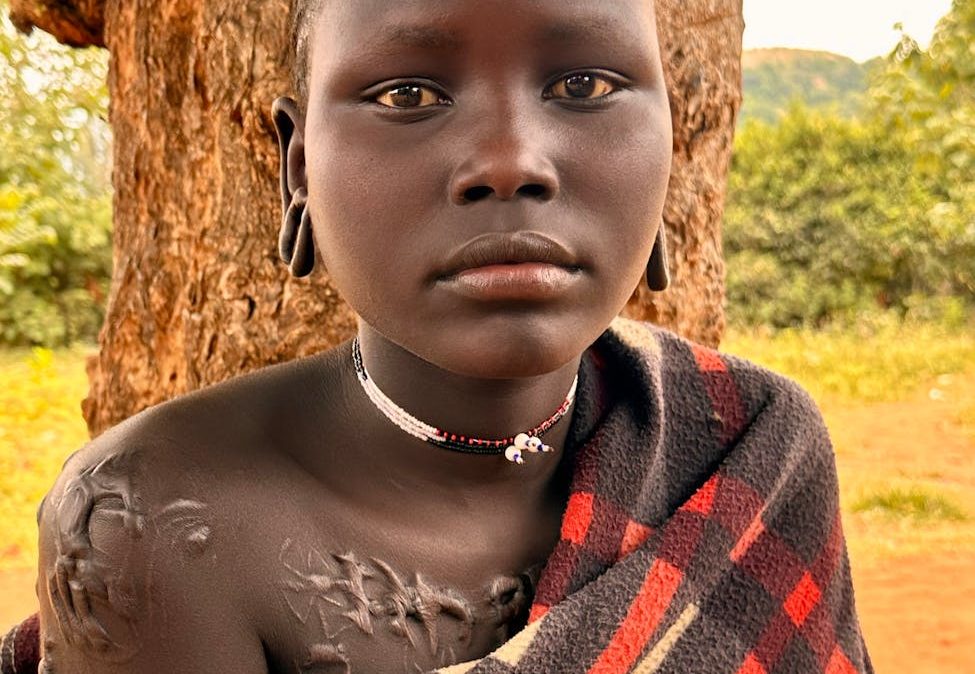
A Cultural Language Written on Skin
Scarification—intentional cuts or burns that heal into raised patterns—has been practiced across many African cultures for centuries. These markings were never random; they acted as identity, beauty, belonging, or spiritual protection. For many communities, scarification functioned like a visual language: a way to signal lineage, adulthood, bravery, or social standing. While modern beauty culture centers smooth, unmarked skin, these traditions remind us that skin has long been a canvas for meaning far deeper than aesthetics.
Why Scarification Developed in So Many Regions
Before national borders existed, communities relied on scarification to distinguish members of one group from another. Some marks indicated family ancestry, some marked major life milestones (like puberty or marriage), and others signified courage or endurance. In areas affected by the transatlantic slave trade, scarification patterns even helped identify people who were displaced or separated from their families. The marks acted as both personal biography and communal passport—something that allowed individuals to be recognized instantly within their cultural world.
Beauty, Strength & Spiritual Significance
Scarification wasn’t only about identity; it was also tied to beauty and spirituality. Raised keloid patterns were traditionally considered aesthetically desirable, especially in communities where smooth skin wasn’t the standard of beauty. Some marks were believed to offer protection, embody ancestral guidance, or demonstrate strength through enduring the painful process. The meaning varied by region: in Nigeria, marks might signal ethnic lineage; in Ethiopia’s Karo tribe, patterns highlight beauty; in West African traditions, designs could represent courage or fertility.

The Healing Science Behind the Marks
Scarification results in keloids or hypertrophic scars—raised, thickened tissue created during the healing process. Because many people of African descent naturally develop keloids, these marks become pronounced, tactile, and visually striking. Traditionally, the wounds were sometimes rubbed with ash, clay, or plant extracts to deepen texture or enhance healing. Though not “skincare” as we think of it today, these methods reflect ancestral knowledge of how skin heals, reacts, and forms lasting patterns—an early version of controlled skin modification.
Why Scarification Is Declining Today
Western influence, modern medicine, and changing beauty standards have contributed to a major decline in many scarification practices. Schooling, urbanization, and global fashion trends have shifted attitudes toward the marks, and in some countries, governments restrict or discourage the practice. For many younger Africans, scarification is seen as outdated or stigmatized. Yet for others, it’s a vital part of cultural pride—something that shouldn’t be erased by modernization. This tension creates an ongoing debate about tradition, autonomy, and identity.
Respecting Tradition Without Romanticizing It
It’s important to avoid oversimplifying scarification as merely “beautiful,” “painful,” or “exotic.” For those who practiced it, these marks represented something complex: identity, adulthood, heritage, spirituality, or belonging. For some, they carry cherished meaning; for others, they represent social pressure or outdated expectations. Modern conversations must balance respect for cultural significance with awareness that values evolve. Scarification isn’t a trend or aesthetic—it’s living history embedded in the skin of millions.
What Scarification Teaches Us About Skin and Identity
Scarification offers a powerful reminder: skin is not just biological—it’s cultural. Across the world, people modify their skin with piercings, tattoos, makeup, and cosmetic procedures. African scarification is one of the oldest forms of this—and one of the most misunderstood. Rather than viewing it through a Western lens, understanding its history adds depth to conversations about body autonomy, beauty ideals, and the diverse ways humans express who they are. It’s a testament to how deeply cultural meaning can be carved into the very surface of our bodies.
As an Amazon Associate, I earn from qualifying purchases – at no cost to you!
Leave a Reply