

Skin tags are one of those body quirks that seem to appear overnight—harmless, annoying, and impossible to ignore once you notice them. They don’t hurt, they’re rarely dangerous, and yet they raise immediate questions: Why did this show up? Is it a sign of something bigger? And should I be worried? While skin tags are extremely common, especially as we age, they’re often misunderstood. Understanding what skin tags are, why they form, and when to address them can help you feel more informed—and less alarmed—about these small but persistent changes.
What Skin Tags Actually Are
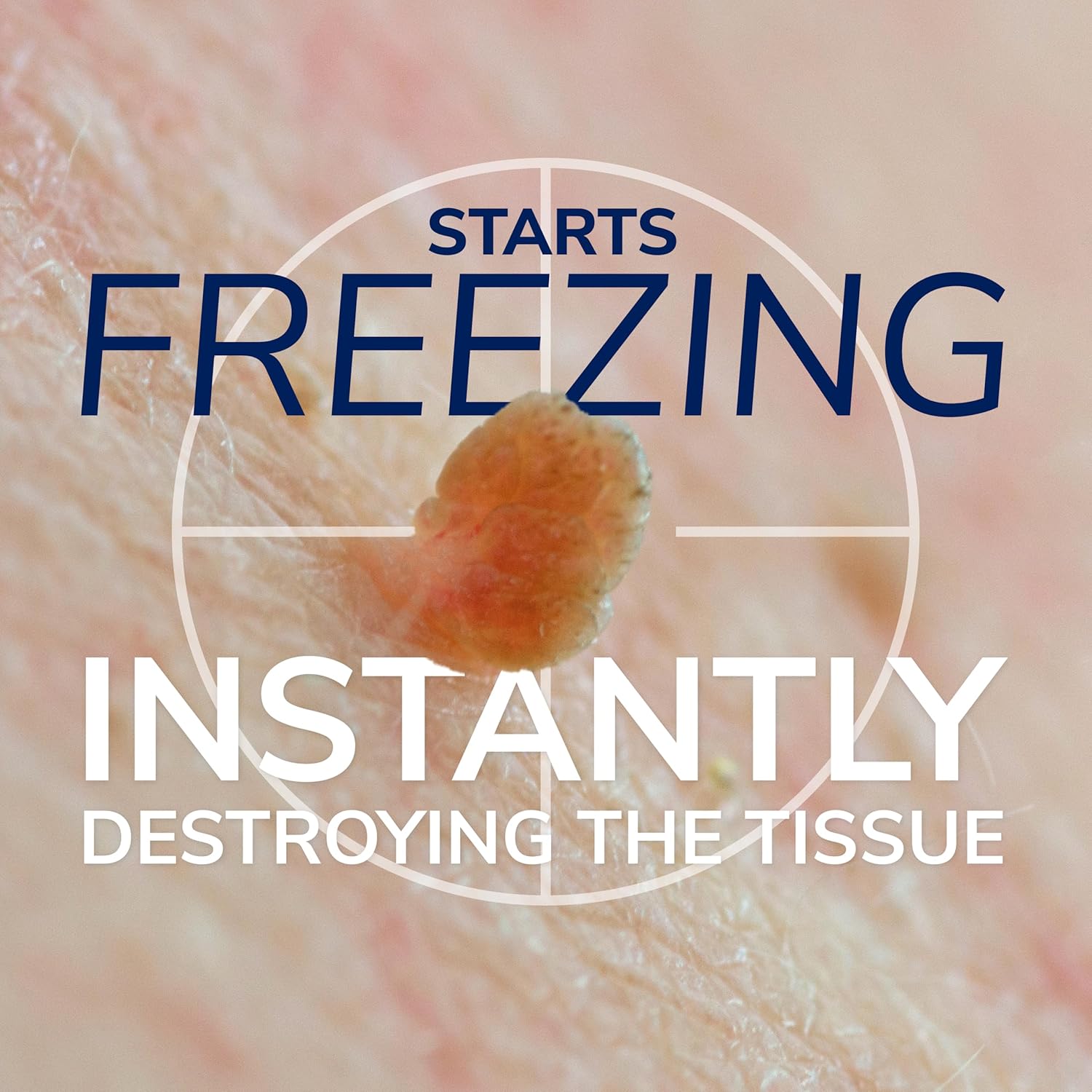
Skin tags, medically known as acrochordons, are soft, flesh-colored growths that hang off the skin. They’re made up of collagen fibers, blood vessels, and skin cells, and they usually develop in areas where skin folds or rubs together. Unlike moles or warts, skin tags are non-cancerous and don’t typically change in dangerous ways. They can be flat or raised, smooth or wrinkled, and range in size from tiny to more noticeable. While they’re harmless, their sudden appearance can feel unsettling, especially when they pop up in visible areas.
Why Skin Tags Tend to Appear With Age
One of the biggest risk factors for skin tags is simply getting older. As the skin ages, it becomes more prone to friction, reduced elasticity, and structural changes that encourage these growths to form. Hormonal shifts over time may also play a role, particularly during midlife. Skin tags are especially common after age 30 and tend to increase in number over the years. This doesn’t mean something is “wrong”—it reflects how skin responds to long-term wear, movement, and biological changes.
The Role of Friction and Skin Rubbing
Skin tags often form in areas where skin repeatedly rubs against skin or clothing. Common locations include the neck, underarms, groin, eyelids, under the breasts, and along waistbands. Constant friction can trigger excess skin growth as the body tries to protect itself from irritation. This is why people who experience chafing, wear tight clothing, or have overlapping skin folds may notice more skin tags over time. Reducing friction won’t eliminate existing tags, but it may help prevent new ones from forming.
Hormones, Metabolism, and Skin Tags
Skin tags are more common in people with insulin resistance, metabolic changes, or hormonal fluctuations. They’re frequently seen in individuals with higher blood sugar levels and during pregnancy, when hormone levels shift dramatically. This doesn’t mean every skin tag signals a health issue, but clusters of tags—especially sudden increases—can sometimes correlate with metabolic stress. Doctors may take note of multiple skin tags as one small piece of a larger health picture, particularly when paired with other symptoms.
Are Skin Tags Ever a Cause for Concern?
In most cases, skin tags are completely benign and don’t require treatment. However, changes in color, rapid growth, bleeding without injury, or pain may warrant medical evaluation. While rare, some growths that resemble skin tags can be other conditions that benefit from professional assessment. If a growth looks different from others, becomes irritated repeatedly, or interferes with daily life, a dermatologist can confirm what it is and discuss options. Peace of mind is often reason enough to have a new or changing growth checked.
Should You Remove Skin Tags at Home?
DIY skin tag removal has exploded online, but not all methods are safe or effective. Cutting, tying off, or using harsh chemicals can lead to infection, bleeding, or scarring—especially in sensitive areas. While small tags may fall off naturally over time, self-removal carries risks. Medical removal is quick, usually painless, and far safer. A dermatologist can remove tags using sterile techniques that minimize complications and ensure the growth is truly benign before proceeding.
Professional Skin Tag Removal Options
Doctors typically remove skin tags using snipping, cauterization, or freezing. These procedures are fast and usually require no downtime. Removal is often considered cosmetic, but many people choose it for comfort, irritation prevention, or confidence. Professional removal also eliminates guesswork—no worrying whether a growth is something else. For people who develop skin tags frequently, a dermatologist can also discuss prevention strategies and monitor changes over time.
What Skin Tags Can Reveal About Your Body
While skin tags are mostly harmless, they can reflect how your body responds to friction, hormones, and metabolic changes. They’re not a diagnosis, but they can be a gentle nudge to pay attention to overall wellness—especially skin health, weight changes, and blood sugar balance. Skin is often the first place internal shifts show up. Understanding these signals allows you to respond with awareness rather than anxiety.
Living With Skin Tags Without Stress
Skin tags are incredibly common, and having them doesn’t mean your body is failing or aging “wrong.” They’re a normal part of being human. Whether you choose to remove them or leave them alone, the most important thing is understanding what they are and making informed choices. When you know what’s normal, what’s harmless, and what’s worth checking, skin changes become less scary—and a lot easier to live with.
This post is for informational purposes only and isn’t a substitute for professional medical guidance. As an Amazon Associate, I earn from qualifying purchases – at no cost to you!
Leave a Reply