
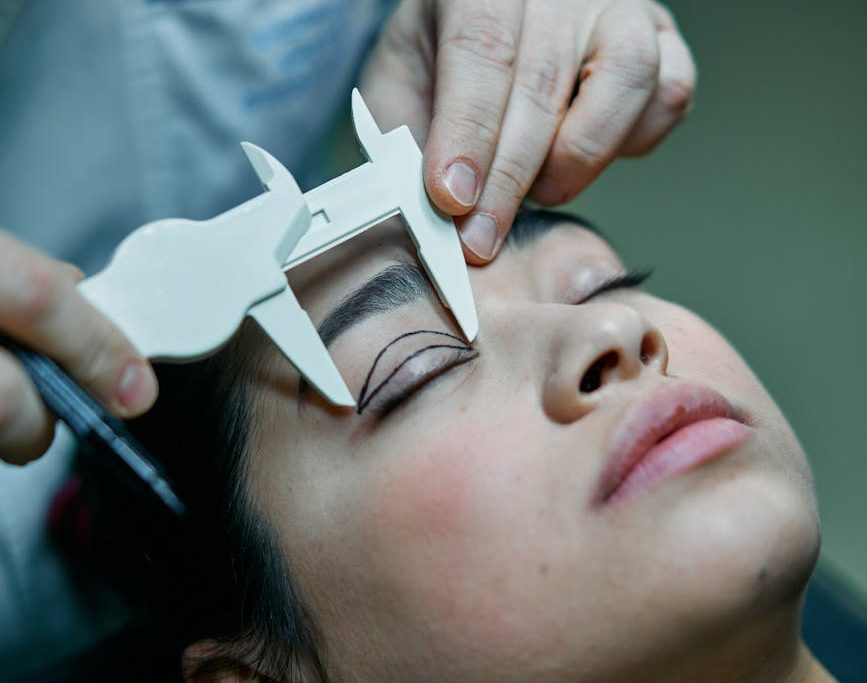
Blepharoplasty, more commonly known as eyelid surgery, has quietly become one of the most talked-about cosmetic procedures in wellness and beauty spaces. Once associated mainly with dramatic transformations, it is now increasingly viewed as a subtle refresh that restores a rested, alert appearance. As social media, video calls, and high-definition cameras make facial changes more noticeable, many people are exploring why eyelid aging happens so early—and why correcting it can have such a powerful impact on how we look and feel.
Why Eyelids Age Faster Than the Rest of the Face
The skin around the eyes is thinner and more delicate than anywhere else on the body. It contains fewer oil glands, less collagen, and experiences constant movement from blinking and facial expression. Over time, this leads to laxity, puffiness, drooping lids, and under-eye bags. Genetics, sun exposure, allergies, and sleep patterns accelerate these changes. Even people with otherwise youthful skin often notice heavy lids or tired eyes long before wrinkles appear elsewhere on the face.

What Blepharoplasty Actually Does
Blepharoplasty removes or repositions excess skin, fat, and sometimes muscle from the upper or lower eyelids. Upper eyelid surgery focuses on lifting drooping skin that can make eyes look heavy or fatigued. Lower eyelid surgery targets under-eye bags, hollows, or loose skin. The goal is not to change eye shape but to restore clarity, openness, and balance. When done well, results look natural—like better sleep, not obvious surgery.
Why Blepharoplasty Is Surging in Popularity Now
The rise of video conferencing and social media has made people more aware of their eyes than ever before. Drooping lids can cast shadows, make makeup harder to apply, and create a permanently tired look. At the same time, modern techniques offer more precise outcomes with shorter recovery times. Many patients are choosing eyelid surgery earlier, viewing it as preventative rather than corrective. The shift reflects a broader trend toward subtle procedures with high visual payoff.
Functional vs Cosmetic Benefits of Eyelid Surgery
While often considered cosmetic, blepharoplasty can offer functional benefits as well. Heavy upper eyelids can interfere with peripheral vision, cause brow strain, and contribute to headaches. Removing excess skin can improve visual field and reduce eye fatigue. For others, the benefit is emotional—looking more alert can change how people respond to you socially and professionally. Feeling like your appearance matches your energy can boost confidence in ways skincare alone cannot.
What Recovery Really Looks Like
Recovery from blepharoplasty is typically more manageable than people expect. Swelling and bruising peak within the first few days and gradually fade over one to two weeks. Most patients return to normal activities quickly, with makeup camouflaging residual discoloration. Stitches are usually removed within a week if non-dissolving. Final results continue to refine over several months as tissues settle, revealing smoother, lighter-looking eyes without a “done” appearance.
Who Is a Good Candidate for Blepharoplasty
Ideal candidates are generally healthy individuals experiencing eyelid heaviness, puffiness, or sagging that does not respond to non-surgical treatments. Age is less important than anatomy and skin quality—some patients benefit in their 30s, others much later. A thorough consultation evaluates eye structure, vision, facial balance, and expectations. The best outcomes come from conservative planning focused on preserving natural expression rather than aggressively removing tissue.
Non-Surgical Alternatives—and Their Limits
Non-surgical options like Botox, fillers, lasers, and skin tightening can improve mild concerns but cannot remove excess skin. These treatments may temporarily lift brows or soften fine lines, but they have limitations for significant eyelid laxity. Many people try non-invasive approaches first and later choose blepharoplasty when results plateau. Understanding what skincare and injectables can and cannot do helps set realistic expectations before considering surgery.
Why Eyelid Surgery Has Such a Big Visual Impact
Small changes around the eyes influence the entire face. The eyes communicate energy, emotion, and health. When lids droop or bags dominate, the face can look tired even when someone feels well. Blepharoplasty restores light and openness, often making people look more refreshed without altering other features. That high impact with minimal change is why eyelid surgery has become one of the most requested procedures worldwide.
The Bottom Line on Blepharoplasty
Blepharoplasty is no longer about dramatic transformation—it’s about alignment between how you feel and how you appear. With modern techniques, thoughtful planning, and realistic goals, eyelid surgery can deliver subtle, lasting results that skincare and makeup cannot replicate. As beauty standards shift toward natural refinement rather than perfection, blepharoplasty fits neatly into the era of quiet, confident aesthetic choices.
This post is for informational purposes only and isn’t a substitute for professional medical guidance. As an Amazon Associate, I earn from qualifying purchases – at no cost to you!
Leave a Reply