
A PDO thread lift can give a softening jawline a small, quick lift with almost no scarring, which is why clinics sell it as a “lunchtime lift.” On the other hand, it fades, it isn’t cleared by the FDA for lifting, and it comes with some side effects you’ll want to know about before you book.
Before you book, it helps to know what the threads do, what healing looks like, how long the lift holds and who tends to be happiest with it.
What the threads do under your skin
The American Society of Plastic Surgeons (ASPS) describes thread lifts as dissolvable, barbed stitches placed under the skin of the face and neck. The little barbs grip the tissue so the thread can be pulled and anchored, and that pull lifts the area. Having a thread under the skin also sets off your body’s healing response, which is meant to build some collagen around it.
PDO stands for polydioxanone, the same material used in dissolvable surgical stitches. Over the following months your body breaks it down, and once it’s gone, so is the pull. Whatever firmness stays behind comes from how your tissue reacted to the thread, and nobody can promise you how much of that you’ll get.
Threads come in a few designs. Some are barbed, some have tiny cones, and some are smooth. Some float freely under the skin and others are fixed to a firmer spot. Barbed and floating threads have been linked to more problems than coned or fixed ones, so it’s fair to ask your doctor which kind they plan to use and why.
Where the FDA stands
PDO threads usually get FDA clearance as dissolvable stitches for holding tissue together, the same job any stitch does. Some of those clearances say outright that the threads aren’t meant for lifting or supporting tissue. Using them to lift the face is off-label.
Doctors use plenty of products off-label, and it isn’t automatically a red flag. It does mean no regulator has looked at whether these threads work, or are safe, for lifting. If a clinic tells you the threads are “FDA-approved for lifting,” that’s a sign to keep shopping.
A look at the appointment
Most thread lifts are done with local numbing. There are no real cuts, only small entry points that usually fade from view within a few days. Once the area is numb, most patients feel little or nothing while the threads go in.
A good consultation comes first. Your doctor should ask about your goals, your health, any medicines and supplements you take, and your alcohol and tobacco use. They should also ask about blood thinners and any past procedures in that area. If those questions never come up, take note.
The first few weeks of healing
Most patients look presentable in three to five days, and full healing takes a few weeks. You’ll see the result better as swelling and bruising go down. Opening your mouth wide can feel tight for a while too, which is a known side effect that usually passes on its own.
Your doctor’s instructions always come first. In general, you’ll be asked to keep pressure, rubbing and big facial movements away from the area while it heals. Ask what that means for daily life, like how to sleep, when you can chew harder foods again, and when facials and massage are OK. A few simple things from the drugstore can make those weeks easier.
Cold for the swelling
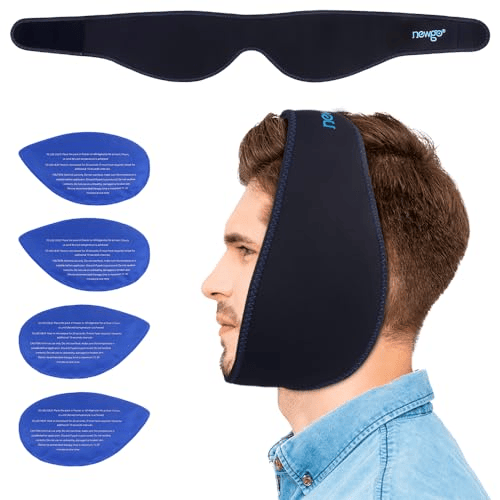
Cold packs handle a lot of the early soreness, and the NEWGO Ice Pack Head Wrap for Face and Jaw makes that easier than holding a bag of frozen peas to your face. It’s a soft wrap with reusable gel packs that sit along the jaw and cheeks, right where threads usually go. Put a thin cloth between the pack and your skin and keep the pressure light, since you don’t want to push on fresh threads. It’s about $9, though the price moves around.
A cleanser you don’t have to scrub

Washing your face gets a little awkward when you’re not supposed to rub. Cetaphil Gentle Skin Cleanser is creamy and soap-free, so you can smooth it on with your fingertips, rinse with lukewarm water and pat dry without tugging at your jaw. It’s fragrance-free and won’t clog pores, and a big bottle runs about $13.
Ointment for the entry points

Follow your doctor’s steps for the tiny entry points. If they want a plain ointment there, Vaseline Original Healing Jelly is 100% white petrolatum and protects minor cuts and scrapes. A thin dab with a clean cotton swab is all you need. If you’ve been prescribed an antibiotic ointment, use that one instead. Vaseline is about $6.
Sun protection while you heal
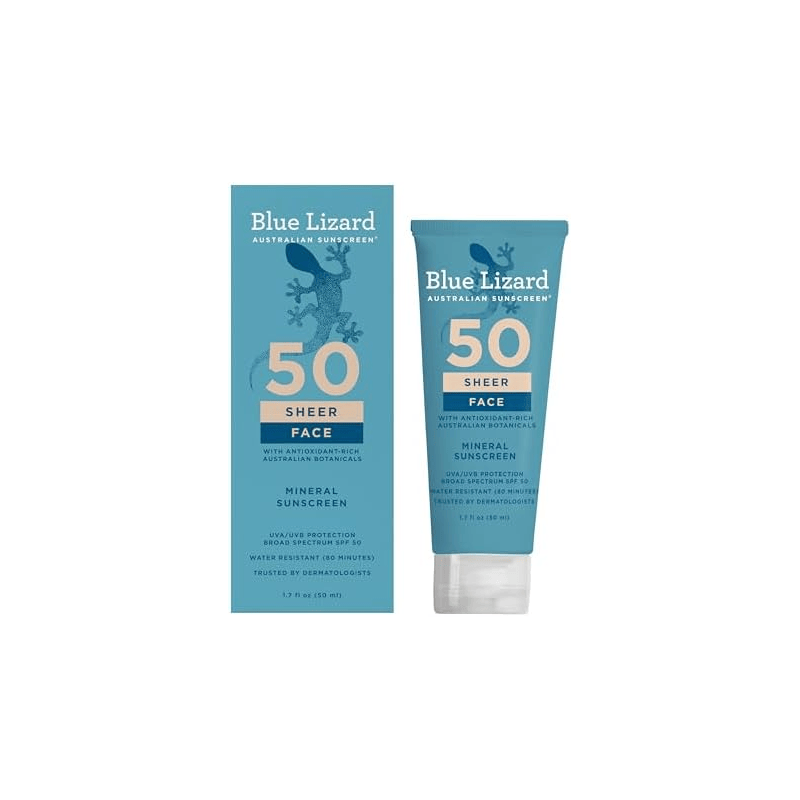
Healing skin bruises and darkens more easily in the sun, so be strict about it until you’re fully healed, big sunglasses included. Blue Lizard Sheer Face Mineral SPF 50 is a broad-spectrum mineral sunscreen with zinc oxide and titanium dioxide, which tends to be easier on tender skin. Pat it on instead of rubbing, especially that first week. It’s about $17.
How long the lift lasts
Not very long, as far as anyone can tell. Studies show people are happier with how they look right after the procedure, and dangerous problems are rare. But the longest follow-up in the research is about two years, so there’s no good proof of what happens past that. In one large look at the results, almost everyone was pleased right after treatment, and that dropped noticeably by around six months.
That’s why doctors who do this well tell patients up front that the effect may not last. As our guide to facelift alternatives points out, threads tend to be the shortest-lived option for the money. It’s also a good place to read about asking to see a doctor’s own before-and-after photos.
Swelling, dimples and other thread risks
Swelling is the most common problem by far, showing up in about a third of patients. Small dimples or puckers in the skin come next, in about one in ten, usually where a barb grips the tissue. Some people get numbness or tingling, and a small number can see or feel a thread under the skin. Infection and a thread end poking out through the skin are less common. People over 50 tend to get more dimpling and more infections than younger patients.
An uneven-looking face and bruising come up a lot too. Serious problems like nerve symptoms, hair loss or damage to blood vessels or glands are rare. Most side effects settle on their own as you heal. Lumps, dents and infections are the ones more likely to need a trip back to the doctor. ASPS also lists numbing risks, pain that lingers, sensitivity to sun or bright light, and simply not liking the result. A dimple or a thread you can see can usually be adjusted or removed, but that means another visit.
Call your doctor if you notice growing redness, warmth, pus, fever, pain that gets worse instead of better, or a ridge or thread end you can feel.
Threads compared with a facelift
ASPS is clear that a facelift can only be done with surgery, and that less invasive treatments can’t match it. They may push back the point where a facelift makes sense, though. The average surgeon’s fee for a facelift is about $11,395 by ASPS’s latest numbers, and that doesn’t include anesthesia, the operating room or other costs, which vary a lot by city. There’s no similar published average for thread lifts, so we won’t guess.
Threads heal faster and leave almost no scar. They also lift less and fade. For a little early softening along the jaw, that trade can feel worth it. For loose, heavy skin at the jaw and neck, threads can’t remove skin and won’t do what surgery does. If you’d rather tighten than lift, our skin tightening guide covers the non-surgical options.
Who it suits, and who should skip it
If you’re in your 30s with a little early softening along the jaw, a thread lift can be a fair short-term choice, as long as you’re expecting months of benefit and not years. Ask your doctor how often their patients come back and how they handle dimpling.
If your skin is loose at the jaw and neck, threads aren’t the right tool. A board-certified plastic surgeon can talk you through surgery or non-surgical tightening. If you’re over 50, the higher rates of dimpling and infection aren’t a hard no, but they should weigh into your choice. And if what bugs you is lost volume rather than sagging, that’s a filler conversation, which our injectables guide walks through.
Whoever you see should be a board-certified plastic surgeon, facial plastic surgeon or dermatologist who does thread lifts often and can handle problems, including taking a thread out. If you’re thinking about filler on the same day, ask first, since doing both at once stacks the risks and the recovery. A clinic that promises years of results is worth walking away from.
A thread lift can be a nice boost for mild, early sagging when you go in knowing it’s temporary. For bigger changes, your money usually goes further elsewhere. You’ll find more on treatments in our skin archive.


