
Many people think cheek filler is about making cheeks bigger, but a good injector is usually just putting back a little lost volume so your face looks rested, not puffy. If you’re thinking about it, this guide walks you through what to expect, from the first chat with an injector to the weeks after, so nothing about the day surprises you.
In short, most cheek filler is a hyaluronic acid gel. The injecting part usually takes 15 to 30 minutes, you see a change right away, it lasts around a year, and it can be dissolved if you don’t like it.
Is it a good fit for your face
Cheek filler is for cheeks that look flat or have lost some fullness, which happens to everyone with age. It can also give the cheekbones a bit more shape. It’s very common, too. More than 3 million people in the U.S. get dermal fillers every year.
The FDA approves fillers for specific uses in adults 22 and older, and cheek fullness is one of them. Each brand is approved for its own set of areas. Juvéderm Voluma XC, a filler made for the cheeks, is approved for deep injection in the cheek area to correct age-related volume loss in adults over 21. Its safety information also notes that it hasn’t been studied for cheeks in people under 35 or over 65. That doesn’t mean a 32-year-old can’t get cheek filler. It means you should ask which product your injector plans to use and why.
If you’re hoping for a big change, go slowly. The American Academy of Dermatology (AAD) recommends not overdoing filler, since results look more natural with a careful hand. If you’d rather have something permanent, fat grafting is a surgery that moves your own fat into the cheeks.
Your appointment, start to finish
It all begins with a conversation. Sometimes this happens on the same day as the treatment. The provider studies your face from a few angles and asks what bothers you. A good injector will also tell you when filler isn’t the right fix for what you see in the mirror.
Expect questions about your health, too. Be ready to talk about allergies, autoimmune conditions, past filler anywhere on your face, and every medicine and supplement you take. Pain relievers like ibuprofen, blood thinners and some supplements can raise the odds of bleeding and bruising. They may also take photos so you can compare later.
Next your skin gets cleaned and numbed with a cream, spray or cold pack. Many fillers also have lidocaine, a numbing medicine, mixed right into the gel. The injector may mark a few dots on your cheekbones to plan where the gel goes.
Cheek filler goes in deep, well below the surface of the skin. The injector works in small amounts, often in a few spots on each side, and checks the shape as they go. Some use a needle. Others use a cannula, which is a thin, flexible tube with a rounded tip. You may feel a pinch, some pressure or a sting, though Cleveland Clinic describes it as not usually painful.
When they’re done, the injector looks at both sides together. A cool pack may go on for 15 to 20 minutes to ease redness and swelling. Then you’re free to go, and you can usually head right back to your day.
How long the results stick around
Hyaluronic acid is a sugar your body already makes, and over time it slowly breaks down the injected gel. The AAD gives hyaluronic acid gel a range of 4 to 12 months, and Cleveland Clinic says cheek results usually last about a year. Ask your injector how long their product tends to last in the cheeks.
There are other kinds of cheek filler. Calcium hydroxylapatite (Radiesse) and poly-L-lactic acid (Sculptra) last longer and work in different ways, and our comparison of Sculptra vs Radiesse walks through them. The trade-off is that neither one can be dissolved the way hyaluronic acid can.
Budgeting for it
Filler is priced by the syringe. Two university clinics give a fair idea of the range. The University of Alabama at Birmingham’s cosmetic dermatology clinic lists Voluma at about $800 a syringe and Restylane Lyft at about $750, with a $100 consult fee that’s waived if you book a treatment. Oregon Health & Science University lists Voluma at about $900 a syringe and most other fillers at about $850. Prices vary a lot from clinic to clinic.
What you want to know is the total. Ask how many syringes your plan uses, then multiply, and leave room for a touch-up down the road since the gel fades. Insurance won’t help, because it doesn’t cover treatment for signs of aging.
A deal that looks too good is a red flag. The FDA warns against filler sold straight to the public, because it may be fake, contaminated or not approved. Only go to a provider who opens a sealed, labeled syringe of an FDA-approved product in front of you.
Healing week by week, and what to put on your skin
On day one, your cheeks may look a little swollen and red and feel tender. Some people bruise. The Juvéderm safety information says to skip makeup for 12 hours and to go easy on hard exercise, heat, lots of sun and alcohol for the first 24 hours, since those can make redness, swelling or itching worse.
Over the next few days, swelling and bruising usually fade, and the AAD says minor side effects tend to clear within 7 to 14 days. Don’t touch, press or massage your cheeks for three days unless your injector tells you to, and try sleeping on your back for several nights.
By about two weeks the swelling has usually gone, so what you see now is close to your final result. If one side still looks different from the other after a week, call the office.
Your skincare routine can stay simple during all this. Nothing here does the job of filler. These three just keep tender skin calm while it settles and protect it once you’re back outside, in the order you’d use them.
A wash that doesn’t need scrubbing

Washing your face gently with your fingertips is easier with a creamy formula like Cetaphil Gentle Skin Cleanser. It’s non-foaming, fragrance-free and soap-free, made for dry to normal, sensitive skin. You can use it with or without water, so you can wipe it off softly instead of splashing and rubbing around tender cheeks. It’s about $13.
A plain moisturizer for tender skin

When your skin feels tight or a little irritated, Vanicream Daily Facial Moisturizer keeps things easy. It has hyaluronic acid and five ceramides, with no fragrance, dyes, essential oils or botanical extracts. It’s light enough to wear under makeup once you’re cleared for it, and it runs about $14.
Clear sunscreen once the needle marks close
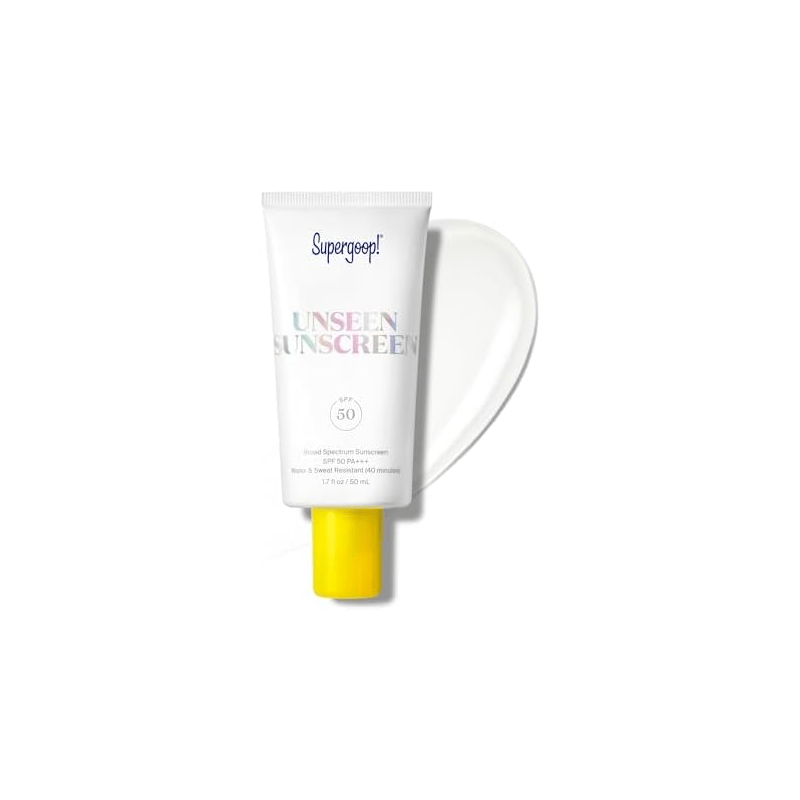
Heat and strong sun can bring back redness and swelling early on, so stay out of the sun and away from tanning beds for a while. When you do go out, Supergoop! Unseen Sunscreen SPF 50 is a clear gel with no white cast and no scent, and it doubles as a makeup primer. Its directions say not to use it on damaged or broken skin, so wait until the tiny needle marks have closed, or ask your injector when to start. It’s about $38.
Ask your provider, too, when you can go back to scrubs, peels or lasers on that area. For a fuller routine after any injectable, our guide to injectable aftercare goes into more detail.
Side effects, from common to rare
The common ones are mild and short. They include bruising, redness, swelling, pain, tenderness, itching, rash, hives and small bumps that look like acne, and they usually go away within a week or two.
Less common problems include infection, an allergic reaction and firm lumps under the skin called nodules. Swelling can also flare up near the filler later, after a cold, an infection, a vaccine or dental work. Filler can drift from where it was placed too, which can make a cheek look uneven or lumpy. The signs are covered in how to tell if filler has moved.
The most serious risk is filler going into a blood vessel by accident. The FDA calls it the most serious risk with fillers. It’s rare, but a blocked vessel can cut off blood flow to the skin and cause tissue death, vision problems, blindness or a stroke, and some of that damage can be permanent. This is the main reason the injector’s training matters so much.
Get medical help right away if you notice any of these during or soon after your appointment:
- Unusual pain
- Skin near the injection that turns white, gray or blue
- Any change in your vision
- Signs of a stroke, such as trouble speaking, a drooping face, weakness or numbness, a severe headache, dizziness or confusion
Call your injector for bruising, redness or swelling that lasts more than a week, a lopsided look that lasts more than a week, or fever and chills. For trouble breathing or other signs of a severe allergic reaction, call 911.
Changing your mind later
This is the big upside of hyaluronic acid. An enzyme called hyaluronidase breaks down the gel, and injectors use it to fix lumps, an uneven result or filler that has moved. It’s also the emergency treatment if the gel blocks a blood vessel.
It isn’t a perfect undo button. Removing filler can take extra procedures with their own risks, and fillers that aren’t made of hyaluronic acid can be hard or impossible to remove. The Juvéderm safety information also says how well removal works hasn’t been studied. It’s a safety net, and no reason to overdo it.
Times to hold off
Wait and talk it through with a doctor if any of these apply to you:
- You’re pregnant or breastfeeding. Safety is unknown during both.
- You have a pimple, rash, cyst, hives or infection on or near your cheeks. Treatment should wait until it calms down.
- You have an infection elsewhere, like an abscessed tooth, an ear, nose or throat infection, or a stomach bug.
- You have a bleeding disorder, or you take blood thinners.
- You’ve had severe allergic reactions (anaphylaxis), or you’re allergic to lidocaine.
- You’ve reacted badly to a hyaluronic acid filler before.
- You get thick, raised scars (keloids), or you’ve had pigment problems after skin injuries.
- You have an autoimmune condition such as lupus, or you take medicine that lowers your immune defenses.
- You’re planning a laser treatment or chemical peel close to the same time, which raises the risk of inflammation.
Two more hard lines. Never inject yourself or let a friend do it, and never use a needle-free “pen.” The FDA hasn’t approved those pens for filler, and they’ve caused serious injuries. The AAD adds that filler should never be done at a salon, a party, a non-medical spa or someone’s home.
What to ask before you book
Filler is a medical procedure, so treat choosing an injector the way you’d choose any doctor. A board-certified dermatologist or plastic surgeon with lots of filler experience is the safest choice. Bring these questions:
- What’s your training, and how many cheek treatments do you do?
- Which product will you use, and is it approved for cheeks?
- Can I see the sealed box or syringe and get the patient information for it?
- Will you use a needle or a cannula, and why?
- How many syringes do you expect, and what’s the total cost?
- Do you keep hyaluronidase on hand, and what’s your plan if a blood vessel gets blocked?
- Who do I call after hours if something looks wrong?
- When is the follow-up, and is a small touch-up included?
If they rush you, dodge the blood vessel question or won’t show you the product, book somewhere else.
Cheek filler in brief
Can people tell if you have cheek filler? Not if it’s done with a light hand. Starting small and adding more later is much easier than taking filler away.
Can you get cheek filler and Botox on the same day? Some clinics do both at one visit. The combination hasn’t been studied in controlled trials, so ask your injector how they plan and space the two.
How soon can you work out after cheek filler? Wait at least until the next day for hard exercise. Some providers say 24 to 48 hours.
What happens when cheek filler wears off? Your body slowly absorbs the gel and your cheeks drift back toward how they looked before. You can book another round or simply let it fade.


