
Most people expect a laser to erase a tattoo in one quick visit. It can often fade one a lot, but plan on a series of visits and some patience. Most tattoos need somewhere between 1 and 10 sessions spaced about six weeks apart, and some inks never clear all the way.
Black and dark blue fade best. Green, red and yellow hang on longer, and a few inks can even turn darker. Below is what happens to the ink, how long the process really runs, what it costs, who should wait, and how to look after your skin between visits so it heals well.
What the laser does, and why you need so many visits
A tattoo is thousands of tiny bits of ink sitting in the second layer of skin. The American Society of Plastic Surgeons (ASPS) explains that your immune system normally clears out small bits of foreign stuff, but tattoo ink is too big. That’s why a tattoo stays. A laser tuned to the ink’s color heats it so fast that it breaks into smaller pieces your body can carry away.
Your body does that clearing, not the laser, and it takes time. Tattoo artists also layer ink, and a laser can’t safely break up every layer at once. So each visit lightens it a bit, and the wait between sessions is part of the treatment.
What decides how many sessions you’ll need
Dermatologists look at a few things before they give you a number:
- How long you’ve had the tattoo
- How deep the ink sits
- The colors in it
- Where it is on your body
- Your health and the medicines you take
- Whether you’ve ever had a raised scar
A small, all-black tattoo is the best case. Ask for a realistic range at your consultation. If someone promises “gone in three sessions,” that’s a sales line.
The colors that fight back
Each ink color soaks up a different kind of light, so a colorful tattoo may need more than one laser. The FDA says green, red and yellow are the hardest to remove, and dark blue and black are the easiest. Skin surgeons add purple to the hard list and say lighter inks tend to resist too.
White, skin-toned and permanent makeup inks are their own problem. The FDA warns these can turn black when a laser hits them, and once that happens, a laser can’t fix it. That’s why removing permanent eyeliner or brows calls for extra care and a test spot first. Our posts on permanent eyeliner and powder brows vs microblading explain why removal near the eyes is hard.
One laser can’t remove every ink color. If your tattoo has several, ask which wavelengths the clinic has before you book.
Do pico lasers clear tattoos faster?
Pico lasers, sold as PicoSure and PicoWay, fire even faster than the older Q-switched kind. Small studies are mixed. In one French trial of 49 tattoos, half of each was treated with each laser. 33% of the pico halves faded by 75% or more, against 14% for the older laser, though colorful tattoos didn’t do better with either. A German trial of 30 black tattoos found the same fading after two sessions, with much less pain from pico. Pico is a good choice, especially if you’re nervous about pain, but the provider’s skill and the right wavelength count for more than the machine’s name.
How much it hurts
Picture a thin rubber band snapping against your skin, over and over. It’s uncomfortable, and for some people it hurts. A dermatologist can numb the area first with a cream or a shot.
Who should wait, or skip it
The American Academy of Dermatology (AAD) says laser removal is safe for nearly everyone, with a few exceptions. Your body does the clearing, so you need a healthy immune system. Don’t get treated while pregnant or breastfeeding. If you’ve had raised scars or keloids, or you take medicines that make skin sensitive to light, the plan may change. That’s what the consultation is for.
On deeper skin tones, removal works but is more likely to leave dark marks. Skin surgeons say to always do a test spot first. The wavelength matters here too. PicoWay’s 1,064 nm setting, for example, is cleared for all skin types, while several of its other settings are only for lighter skin.
Pricing out your sessions
The ASPS’s latest figures put the average fee for laser skin treatments like tattoo removal at $697. That’s the doctor’s fee for one treatment, without the facility, numbing, prescriptions or other costs. Prices swing a lot by city and tattoo size. Multiply by the number of sessions you’re quoted for a rough total. Insurance doesn’t cover removal for looks.
Caring for the spot between sessions
Right after a session, expect redness, swelling and maybe a few blisters. The ASPS describes the treated spot as an open wound that usually heals in about five days. Your dermatologist will hand you instructions, and they’ll look a lot like the routine below. If yours differ, go with theirs.
Wash it gently, twice a day
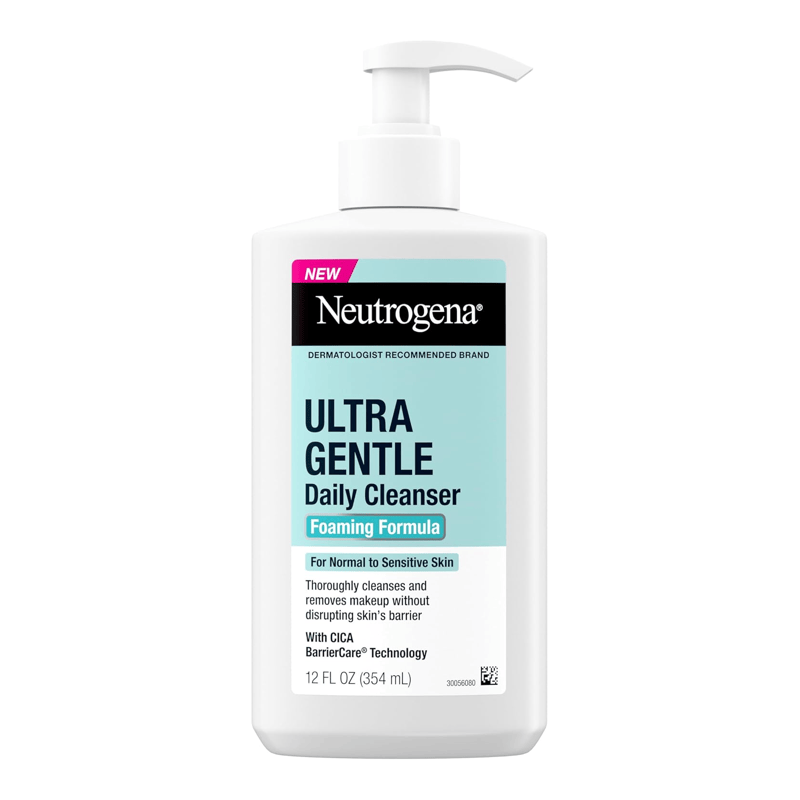
A mild, fragrance-free wash like Neutrogena Ultra Gentle Daily Cleanser is what you want on freshly treated skin. It’s a hypoallergenic foaming cleanser, about $10 for 12 ounces, and it’s soft enough that you won’t be scared to touch the area. Use your fingertips, rinse with lukewarm water and pat dry with a clean towel instead of rubbing.
Keep it moist so it doesn’t scab

Dermatologists like a thin layer of petroleum jelly on the healing skin, and CeraVe Healing Ointment is a comfortable way to do it. It’s 46.5% petrolatum with ceramides and hyaluronic acid, and it skips fragrance, dyes and lanolin. A 3-ounce tube runs about $10 and lasts through many sessions. Dab it on with a clean cotton swab rather than your fingers. Some doctors want an antibiotic ointment for the first few days instead, so follow what yours prescribes.
Cover it until it closes
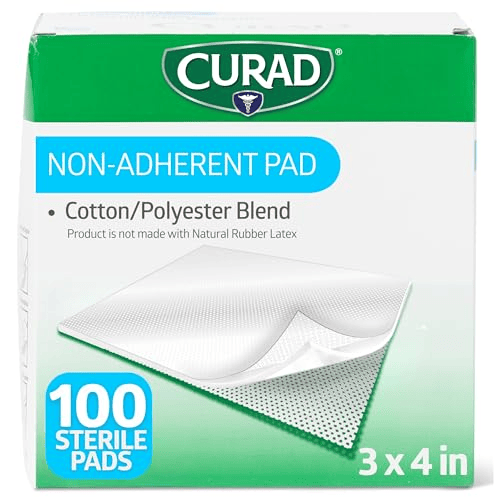
A bandage keeps out dirt and keeps your clothes from rubbing. CURAD Sterile Non-Adherent Dressing Pads are sterile 3 by 4 inch pads that don’t stick to the wound, so they lift off without pulling at new skin. A box of 100 is about $12, which covers a whole series of treatments. Tape them at the edges, away from the treated spot.
While it heals, leave everything alone. That means no picking at flakes, peeling or scabs, and no popping blisters, since popped blisters can get infected. Call your dermatologist if redness and pain get worse instead of better, or if you see swelling or pus.
Protect it from the sun once it’s healed
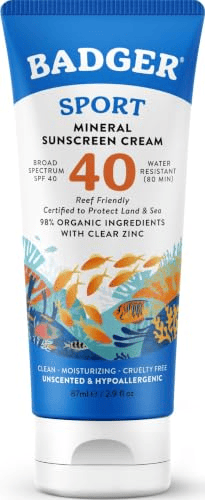
Sun on treated skin raises the odds of dark or light marks, so plan on keeping the spot covered for about three months. Clothing that fully blocks light is your best shield. A thin white or yellow shirt you can see through doesn’t count. Once the skin has fully closed, add a zinc sunscreen like Badger Sport Mineral Sunscreen Cream SPF 40. It’s 22.5% zinc oxide, unscented and water resistant for 80 minutes, which is handy if the tattoo sits somewhere that sees the pool. A 2.9-ounce tube is about $18. Don’t put sunscreen on an open wound. Until it’s healed, clothing does the job.
Spots, scars and other risks to the skin
Some people get light or dark spots on the treated skin. These usually fade within 6 to 12 months. The skin can also end up lighter than the skin around it. Scarring, infection, tiny spots of bleeding, redness and soreness can happen. Scars, texture changes and burns are more common when the person treating you has no medical training, which is one big reason to see a dermatologist instead of a tattoo shop or spa. And some ink may simply refuse to budge.
Removal creams and DIY kits aren’t a shortcut. The FDA hasn’t approved them and knows of no proof that they’re safe or that they work. They can cause rashes, burns or scars, and they can’t reach ink sitting that deep anyway. Rubbing salt into raw skin, a trick called salabrasion that pops up in videos, is extremely painful and can lead to infection and scars.
Older ways to remove a tattoo
Lasers have mostly replaced the old methods. A surgeon can cut out a small tattoo and stitch the skin closed, which leaves a scar. Dermabrasion sands off the top layers of skin and can scar badly. Acid peels with trichloroacetic acid are another option. All of these wound the skin more than a laser does, so they’re used much less now.
Matching the plan to your tattoo
If yours is small and mostly black, you’re the best-case patient. Book a consult with a board-certified dermatologist, ask for a session range, and plan on months, not weeks. Our take on whether a dermatologist visit is worth it covers what a good consult looks like.
A big or colorful piece calls for different questions. Ask which wavelengths the clinic has and look at their photos of similar tattoos, and aim for “much lighter” rather than “gone.” If you’re removing permanent makeup, ask for a test spot first, since some makeup inks darken under a laser, and only let a specialist with proper eye protection work near your eyes.
If you’re pregnant or breastfeeding, wait. The tattoo will still be there later. If you have brown or deep brown skin, ask about the 1,064 nm setting and a test spot, and choose someone who treats deeper skin often.
Laser removal works, just slowly. A medical provider with the right lasers for your ink, a budget that covers a series, and months of sun protection do most of the work, and good aftercare does the rest. You’ll find more in our skin archive.


